
Last updated November 16, 2026
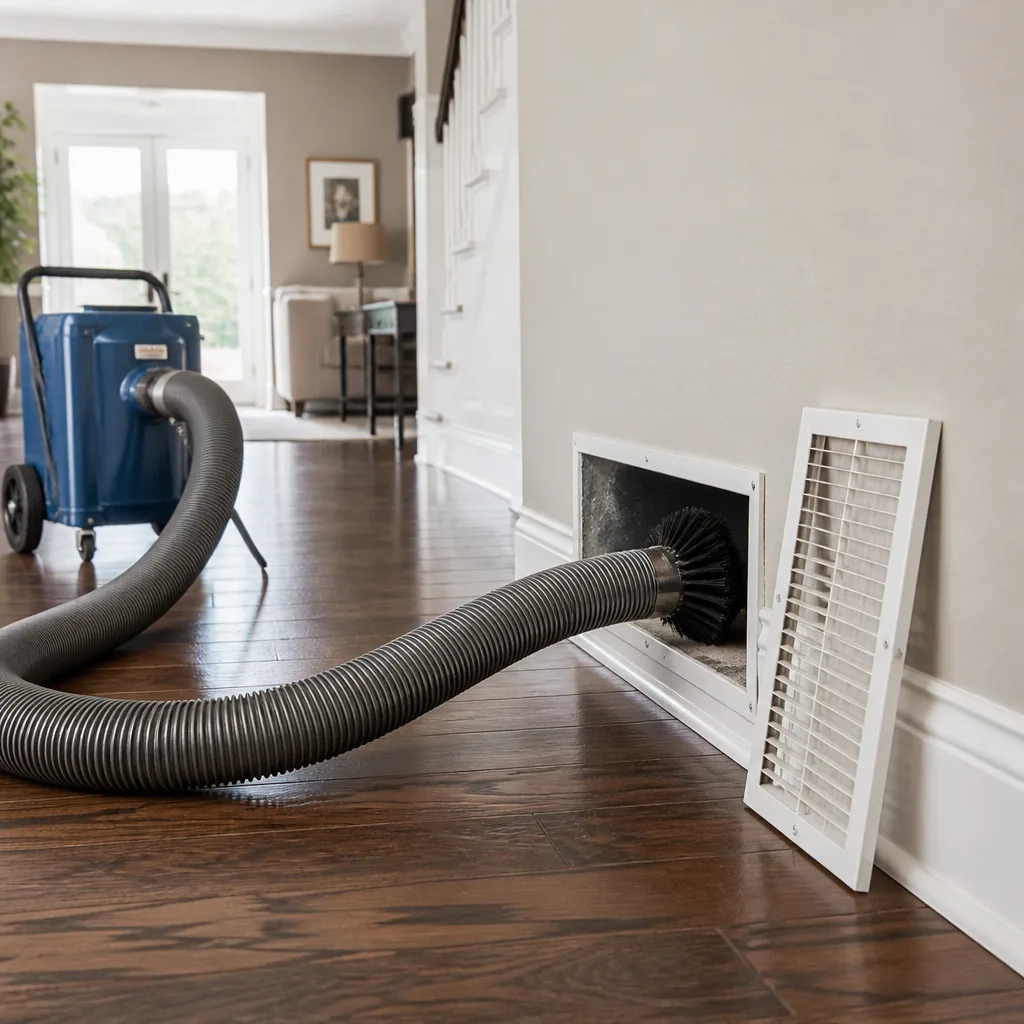 Whole-home duct cleaning
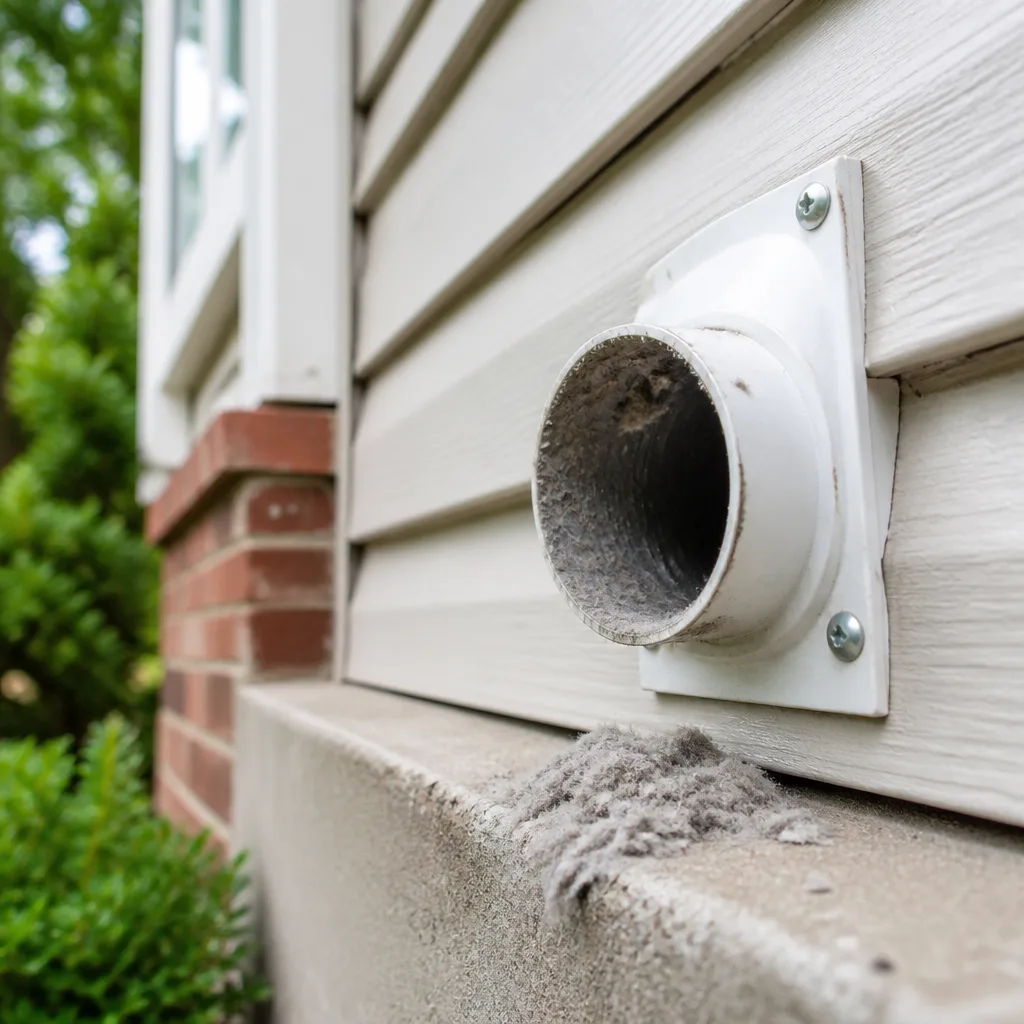 Dryer vent cleaning
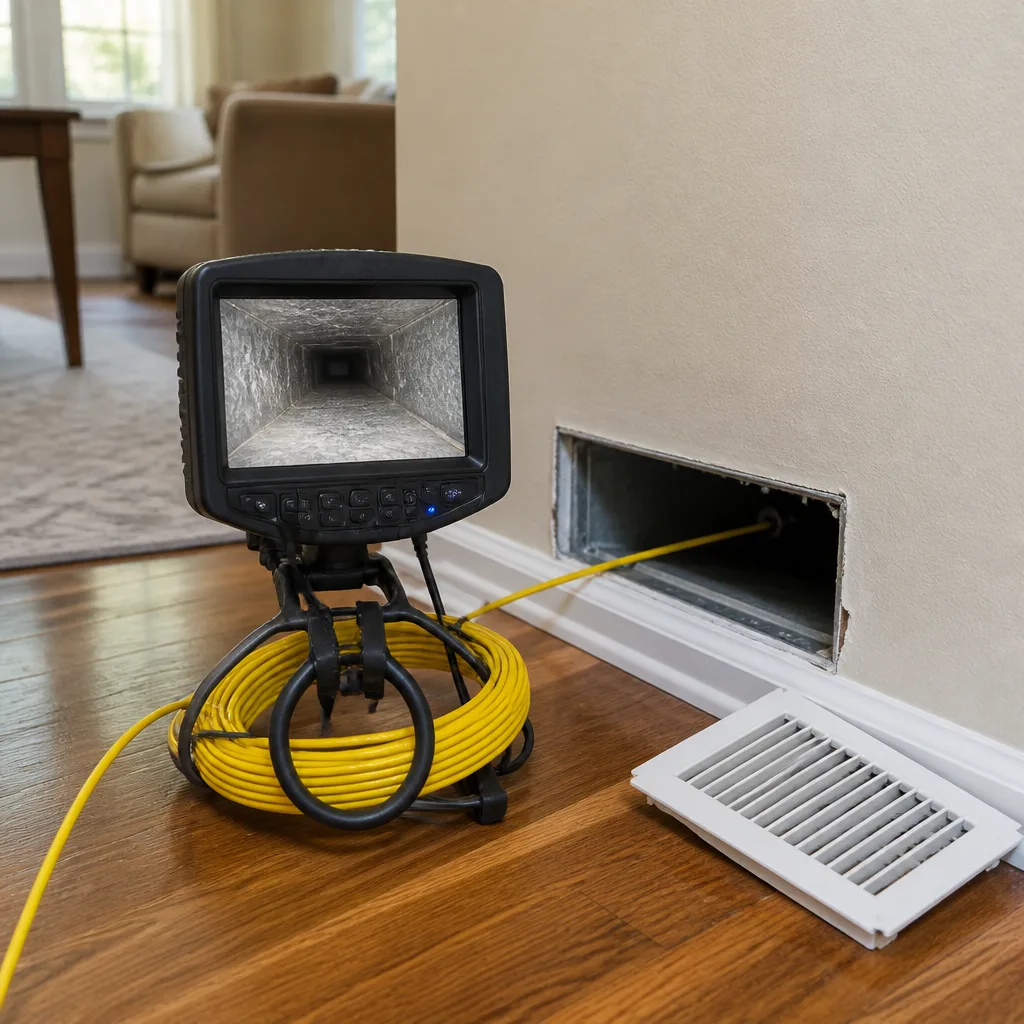 Camera inspection
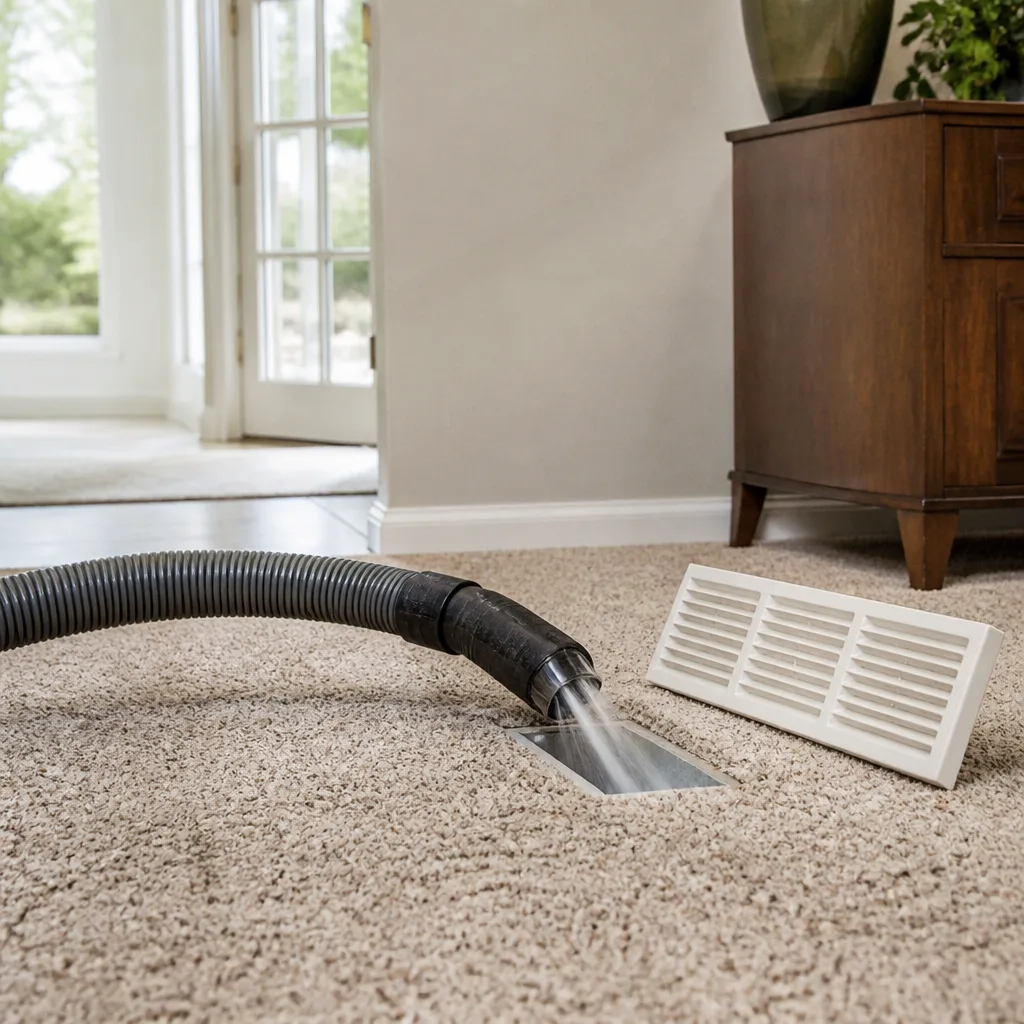 Sanitizing & deodorizing
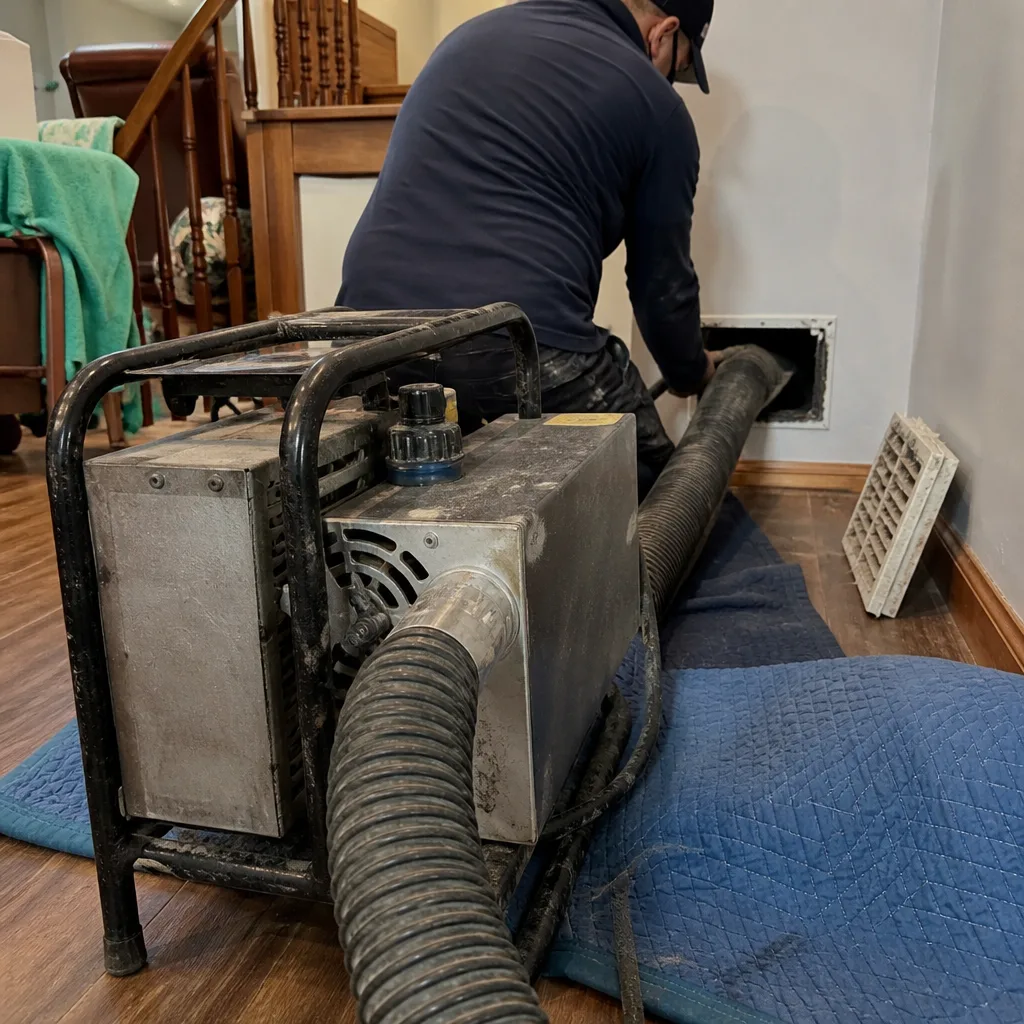
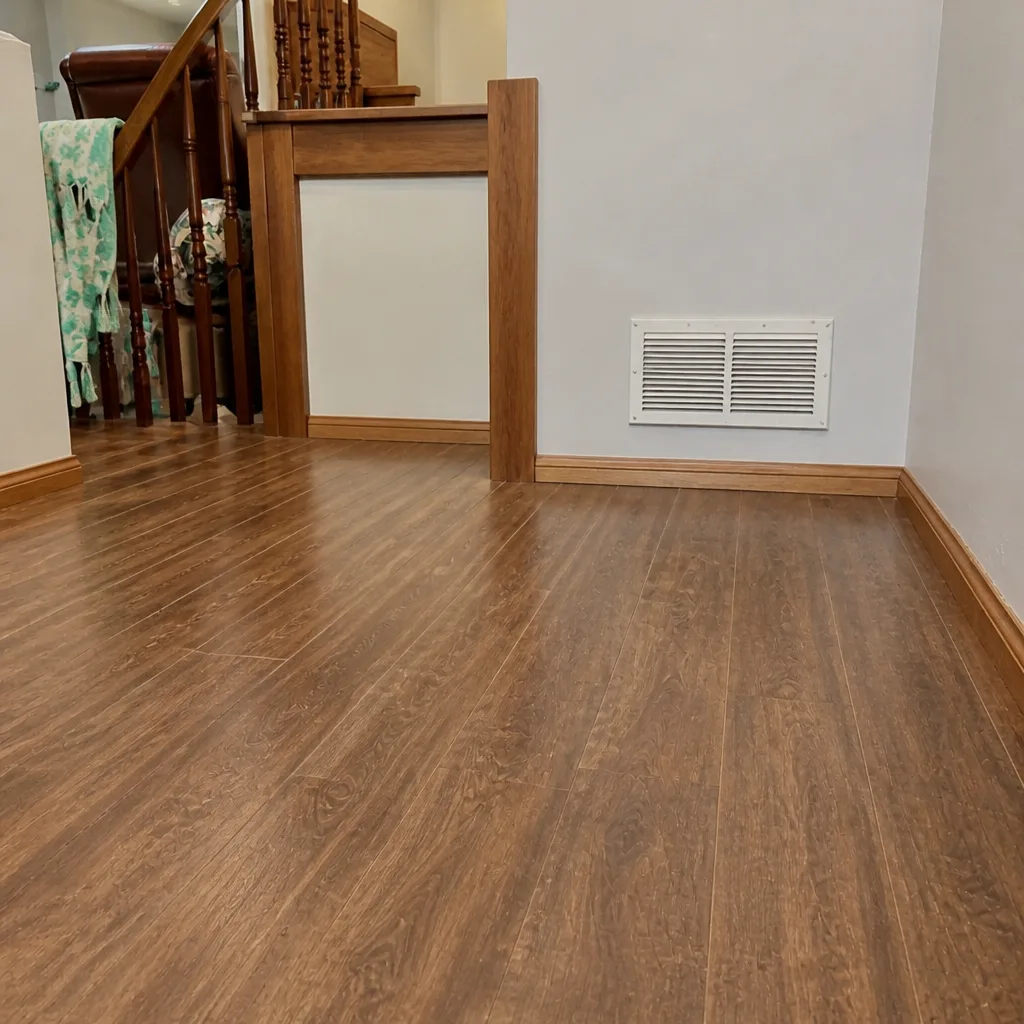
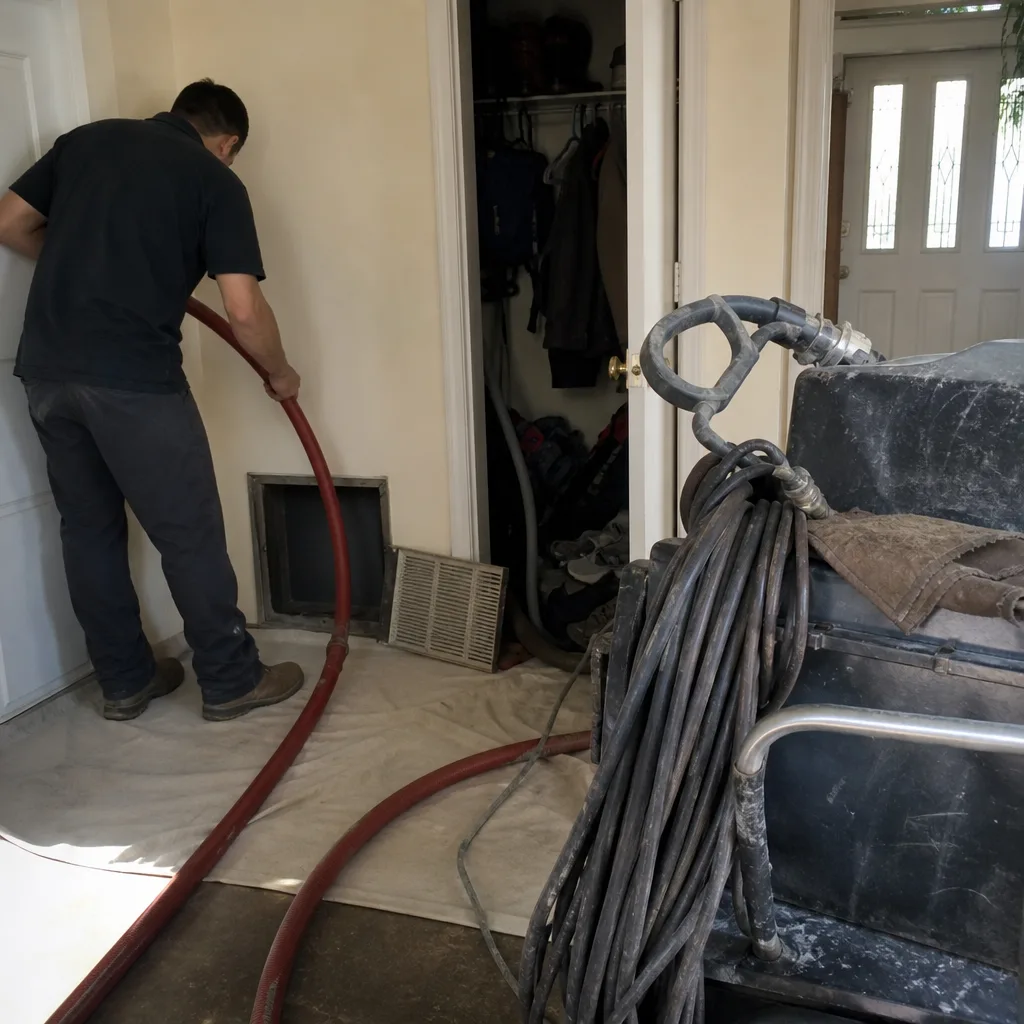
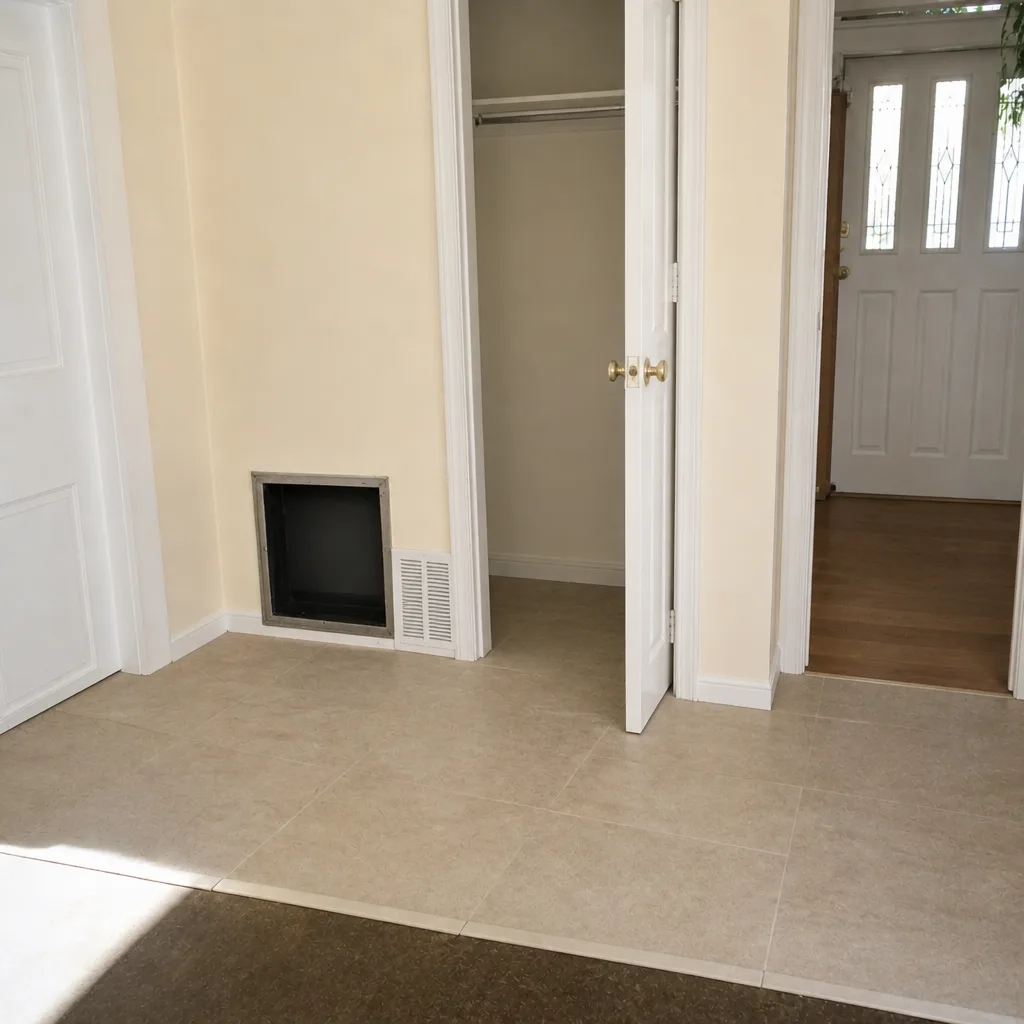
Whole-system duct and dryer vent check with before-and-after photos - you see exactly what came out of your vents
That "$99 whole-house special" is a bait ad - the real number appears once they are in your hallway, or the "clean" is a shop-vac at the register. We photograph the inside of your ducts before and after instead.
How to Hire an Air Duct Cleaning Contractor in Concord: A Step-by-Step Guide
California has no state license specifically for air duct cleaning. That means anyone with a cargo van, a shop vac, and a Google Business listing can advertise the same service a certified operator performs with commercial-grade equipment. This guide exists to help you disqualify the bad actors before you book, not after they’ve left. You’ll learn the exact questions that separate serious contractors from shortcuts, how to read a real quote, what NADCA membership does and doesn’t verify, and the red flags that show up specifically in the Concord market.
Styles & brands we work with
- Whole-home duct cleaning
- Dryer vent cleaning
- Camera inspection
- Sanitizing & deodorizing
Quick Answer
To hire an air duct cleaning contractor in Concord, ask three equipment questions before booking: what agitation system they use, what negative-pressure equipment they run, and the CFM rating of their vacuum. Then demand an itemized written quote that states vent count and system size, verify what any certification actually covers, and refuse any bid that comes without a site assessment. The right questions disqualify most bidders before they ever reach your door.
Table of Contents
- Why Hiring an Air Duct Cleaner in Concord Is Different
- The Three Equipment Questions That Disqualify Most Bidders
- How to Read an Air Duct Cleaning Quote
- What NADCA Membership Actually Verifies
- The Site Visit Question: Do They Ask Before They Quote?
- Contract Red Flags Specific to Concord
- A Step-by-Step Hiring Checklist
- Common Mistakes to Avoid
- When to Call a Professional
- Frequently Asked Questions
- The Bottom Line
Why Hiring an Air Duct Cleaner in Concord Is Different
In most trades, a license number is the first filter. Plumbing, electrical, HVAC installation – all require state credentials in California. Air duct cleaning does not. There is no license class, no state exam, and no minimum equipment standard. The barrier to entry is essentially zero, which means the burden of vetting falls almost entirely on you, the homeowner.
Concord adds a specific wrinkle. The city’s housing stock is unusually varied for a single market. Mid-century ranch homes in the Tree Section and Holbrook Heights have short, simple duct runs. Larger two-story homes built later in the Clayton Valley and Ygnacio Valley areas have longer trunk-and-branch layouts with more transitions, more turns, and more places for debris to settle. A contractor who quotes a flat “whole house” price without asking about square footage or system layout isn’t reading your home – they’re reading a script.
The climate matters too. Contra Costa County’s inland heat means HVAC systems here run hard for long stretches, pulling more air through the ducts across a season than a milder climate would. Systems under heavy load accumulate dust and debris faster, which makes the quality of the cleaning – not just the fact that a cleaning happened – more important.
None of this is a reason to skip duct cleaning. It’s a reason to hire carefully. Our own approach to air duct cleaning starts with inspection before a quote exists, because the number should follow the scope, not the other way around.
What “Air Duct Cleaning” Actually Means
A proper cleaning is contact cleaning plus extraction, not a vacuum waved at the registers. Contact cleaning means a rotating brush or air whip physically agitates the debris stuck to the interior walls of the duct. Extraction means a high-powered negative-pressure vacuum pulls that loosened debris out of the system and into a HEPA-filtered collection unit. Both steps are necessary. Skip the agitation and you vacuum clean air while the coating stays on the walls. Skip the extraction and you blow dust and debris back into the living space. A contractor who can’t describe both steps clearly and name the equipment that performs each one is either using inadequate tools or doesn’t understand what the job requires.
The Three Equipment Questions That Disqualify Most Bidders
This is the core of the guide. Ask these three questions before you book, and you’ll filter out the majority of cut-rate bidders on the spot. A legitimate contractor will answer them plainly, without hesitation, because the equipment is standard to the work. An operator running a shop vac will either dodge or reveal themselves.
- What agitation system do you use? Look for a rotating brush or contact-cleaning system. A professional answer names the tool – Rotobrush is the industry-standard contact-cleaning line. An inadequate answer is “we have a brush” or “we vacuum it out.”
- What negative-pressure equipment do you run? You want HEPA-filtered extraction that pulls the debris from the duct into a sealed collection unit. Nikro HEPA-extraction systems are built for this. A shop vac pulled up to a register is not negative-pressure extraction – it’s a vacuum with a hose in the wrong place.
- What is the CFM rating of your vacuum? CFM is cubic feet per minute – the measure of how much air the vacuum actually moves. This is the number that separates a blower from a real extraction unit. A contractor who doesn’t know their CFM rating isn’t running commercial-grade equipment. A contractor who can quote it is.
Write the answers down as you get them. A bidder who gives you a confident, specific answer to all three gets to the next round. A bidder who has to call you back after “checking with the team” has told you something useful about the answer.
Certified-level IAQ contractors use equipment like Rotobrush and Nikro for the same reason a surgeon uses a scalpel: the tools are part of the standard of care, not an upgrade. At Benchmark Air Duct Cleaning, our technicians use professional-grade Rotobrush contact-cleaning systems and Nikro HEPA-extraction equipment – the same gear, not consumer vacuums. We also carry Abatement Technologies air-quality equipment, which is remediation-level capability. When a contractor’s equipment stack names real brands with real ratings, the process follows the tool, not the other way around.
One more point on filtration. A serious duct cleaning contractor understands that your system’s filter and air handler are part of the same story. Contractors who also work on filtration products like Honeywell and Aprilaire systems can see how dust is entering the system and where a filtration upgrade would help. That’s a different level of knowledge than “we clean ducts.”
How to Read an Air Duct Cleaning Quote
A legitimate quote is a scope document. It tells you exactly what will be cleaned, how many of each component, and what’s included versus extra. A flat “whole house” price with no scope is a warning sign, not a bargain. Here’s how the line items should break down:
- Number of supply vents and returns. Count should be stated, and you should be able to verify it against your own home. If the quote says “whole house” without a count, you don’t know what you’re paying for.
- System size and layout. A legitimate contractor sizes the job by square footage and system complexity. A single-story ranch and a two-story home with long trunk lines are different jobs.
- Dryer vent add-on. Often quoted separately. If it’s bundled, it should still be its own line so you can see the value.
- Air handler and coil cleaning, if included. This is the box that moves the air. If it’s not mentioned, ask whether it’s part of the service.
- Any treatment upsell, disclosed upfront. Chemical or microbial treatments should be a separate line you can say no to – never a mid-job surprise.
Now compare that to a flat figure quoted over the phone before anyone has seen your home. There’s no way to know what’s included, what’s excluded, and how the price could change on site. That’s the setup for a bait-and-switch, and it’s the number one complaint behind this industry’s reputation problem.
At Benchmark, we inspect before we quote and set one flat price per system agreed before work starts. No per-vent pricing, no teaser figure that grows once the technician is in the door. The written estimate sets the final price. That’s not a marketing line – that’s what “benchmark” means as a standard: the number is inspectable and the before-and-after photos of your own ducts are how you verify the work actually happened.
What NADCA Membership Actually Verifies
NADCA – the National Air Duct Cleaners Association – is the trade body that publishes the industry standard for duct cleaning and offers certification to contractors who meet it. Membership and certification are meaningful signals, and you should absolutely consider them when you’re evaluating a bid. But you need to know exactly what a logo on a website does and doesn’t verify.
What NADCA membership signals
- Adherence to a published industry standard for how duct cleaning should be performed.
- Access to training and best practices for the trade.
- A baseline of professional commitment, since membership isn’t automatic.
What it doesn’t verify for you
- The actual equipment on the contractor’s truck that day.
- The CFM rating of the vacuum they’ll use in your home.
- Whether they’ll provide itemized documentation after the job.
- Whether the technician who shows up has been trained, even if the firm is a member.
So yes, favor a contractor who carries the credential. But don’t stop there. In our experience, equipment specifics matter more than a logo on a website because equipment is what actually touches your ducts. A contractor with the credential and a shop vac is still a shop vac. A contractor who names Rotobrush, Nikro, and a real CFM rating is telling you the work will match the standard. Ask for both, and weight the equipment questions heavier.
The Site Visit Question: Do They Ask Before They Quote?
Here’s a question that separates the professionals in about ten seconds: does the contractor ask about your home before quoting, or do they give a price over the phone without asking anything?
A contractor who actually plans to do the work needs to know a lot before they quote. Here’s what a serious bidder will ask about:
- Square footage of the home. System size scales with the house.
- Age of the HVAC system. Older systems have more debris, more wear, and sometimes duct configurations that need a closer look.
- Duct material. Rigid metal, flex duct, and ductboard each require a different approach. Flex duct in particular needs careful handling.
- System layout. Number of stories, number of zones, where the air handler sits, and how long the trunk runs are.
- Any specific concerns. Allergies in the household, recent remodeling, visible debris at the registers, or an unusual smell.
If you get a price without any of that, you’ve been quoted on a guess. Sometimes the guess is honest and sometimes it’s a low headline meant to get a foot in the door. Either way, it isn’t a quote – it’s a placeholder.
At Benchmark, the site visit is where the quote starts. We’d rather spend a few minutes understanding your home than hand you a number that could change. When you’re ready, we’ll come out, walk the system, and give you an estimate that reflects what’s actually there. That’s how our Concord work is set up, and it’s why the price you see is the price you pay.
Contract Red Flags Specific to Concord
Bay Area homeowners face a specific set of red flags because the market is dense with low-bid competitors. Here are the patterns to watch for, drawn from what we’ve seen across the Concord area:
- Mold “discovered” mid-job. A contractor who finds mold in your ducts after the work has started and pressures you into a treatment you never discussed is running a bait-and-switch. Mold treatment, if it’s needed, should be identified during inspection and disclosed in the written estimate.
- Pushy chemical treatments not in the quote. Antimicrobial or fogging treatments can be legitimate, but they should be a line item you approve before the technician arrives. Pressure on site is a red flag, and it’s the same script every time.
- No itemized post-service documentation. You should get a written record of what was cleaned – vents, returns, air handler – and ideally before-and-after photos of your own system. If the contractor can’t show you what was done, you can’t verify it.
- Teaser coupon pricing. A very low advertised number that becomes a much larger invoice once the technician is on site. The right contractor quotes one flat price per system, agreed before work starts.
- No site visit before the quote. Covered above, but it’s the single most common red flag in a market this dense.
- Handing off duct repair. If your ducts have disconnected joints, crushed sections, or leaks, a clean-only service will clean around the problem and send you to someone else. A full-service contractor handles the repair as part of the job. At Benchmark we offer air duct repair alongside cleaning, so you’re not making a second call.
- The dryer vent as an afterthought. If a contractor is willing to skip the dryer vent line because it’s not their thing, ask why. A clogged dryer vent is a fire risk, not a maintenance item. Our dryer vent cleaning is a standalone safety service for exactly that reason – we treat it as fire-risk reduction, never as an upsell.
The through line across every red flag is disclosure. Every scope item, every finding, and every price should be visible before work begins and documented after it ends. When it is, the bait-and-switch has nowhere to hide.
One More Site-Specific Concern
Concord’s housing stock includes older homes in neighborhoods like Sun Terrace and Meadow Homes with original ductwork that may have never been sealed. If a contractor quotes a cleaning without asking whether the system has been inspected for leaks, they may be cleaning ducts that are actively losing air to the attic or crawlspace. Sealing and repair are part of the picture, and a contractor who can’t address it is only doing half the job.
A Step-by-Step Hiring Checklist
Here’s the process laid out in order. Work through it before you book, and you’ll have vetted the contractor more thoroughly than 90% of homeowners do.
- Ask the three equipment questions. Agitation system, negative-pressure equipment, CFM rating. Any bidder who can’t answer all three clearly is out.
- Ask about certifications and what they cover. NADCA membership is a positive signal. Ask which specific certification the technician holds and whether it applies to the firm or the individual.
- Request a site assessment before the quote. A contractor who quotes without asking about square footage, HVAC age, duct material, and layout is quoting blind.
- Demand an itemized written quote. Vent count, system size, dryer vent separately, air handler if included, any treatment as a separate line you can approve or decline.
- Get the price confirmed in writing before work starts. One flat price per system. If the number can change on site without your approval, walk away.
- Ask what documentation you’ll receive. An itemized post-service record, plus before-and-after photos of your own ducts, is the standard to hold out for.
- Confirm scope covers repair, not just cleaning. If your home has any duct leaks, disconnected sections, or crushed runs, hire a contractor who does both. Otherwise you’ll need a second call.
- Book, then verify against the written quote. When the job is done, compare what was delivered against the scope document. It’s how the standard stays a standard.
Eight steps, and most of them are conversations rather than paperwork. That’s the point – the right questions asked upfront do most of the vetting work for you, and the wrong contractor will disqualify themselves quickly when you ask them.
Common Mistakes to Avoid
- Booking on price alone. A low bid is a low bid for a reason, and in this trade that reason is usually equipment. If the number is significantly below everyone else’s, ask what equipment they’re bringing before you agree.
- Not asking what “duct cleaning” includes. Some services clean the supply ducts only and skip the returns and air handler. That’s a partial job, and if the quote doesn’t say otherwise, assume nothing.
- Assuming a website logo means the equipment is on hand. Certification is a signal, not a guarantee. Verify the actual tools and the actual CFM before anyone shows up.
- Accepting a phone quote without a site visit. Even if the number turns out to be right, you’ve confirmed nothing about the scope. In Concord, where housing stock varies widely, a blind quote is guessing at best.
- Treating the dryer vent as a “while you’re here” add-on. It’s a fire risk, and it’s often where the discount contractors skip or rush. Ask for it as its own line item.
- Not asking for before-and-after photos. You can’t see into your ducts. Photos are how you verify the work was done in the system you live in, not a stock image of a clean duct.
- Skipping the repair question. If ducts are leaking or disconnected, cleaning them doesn’t solve the air quality problem. Ask whether the contractor can repair as well as clean.
- Never asking what happens after. Filtration matters. A contractor who works with Honeywell or Aprilaire systems can advise on how to keep the system clean between services. A clean-only outfit walks away without a word.
When to Call a Professional
Duct cleaning isn’t a seasonal task you can put on a calendar and forget. It’s a call to make when you notice specific signs. Call a professional when you’ve recently moved into a Concord home and don’t know when the ducts were last cleaned. Call when anyone in the household has allergies or asthma and the symptoms worsen indoors. Call after any major remodeling that generated dust, or after you notice visible debris, a musty smell, or dust blowing from the registers when the system runs. Call if your energy bills have crept up without a clear reason, since leaking ducts waste conditioned air. And call for the dryer vent if it’s been more than a year since it was last done – that’s a fire-risk service, not a maintenance item. Benchmark Air Duct Cleaning offers free estimates in Concord – call (855) 970-7954. We answer 24/7. Fast dispatch from 7am to 7pm, Sunday through Friday.
Frequently Asked Questions
Pricing varies with system size, vent count, and scope, so the honest answer is that it depends on your specific home – and any contractor who quotes a flat number without a site visit is guessing. The written estimate sets the final price, and at Benchmark that estimate is free and comes after we inspect the system. Call (855) 970-7954 for an exact quote – estimates are free.
Cheaper quotes usually reflect cheaper equipment or a narrower scope, not a bargain. A blower-and-vacuum rig costs a fraction of a Rotobrush contact-cleaning system and a Nikro HEPA-extraction unit, and the difference shows up in what actually gets removed from your ducts – and what gets billed once the technician is on site. Ask the three equipment questions and you’ll see the gap. Call (855) 970-7954 to compare a real scope against a cheap one.
Ask for before-and-after photos of your own ducts, plus an itemized post-service record of every vent and return cleaned. Without those, you have no way to verify. At Benchmark, photos and itemized documentation are part of the job, because the name on the door is a standard, not a slogan. Call (855) 970-7954 to schedule.
Most homes in Concord benefit from cleaning every three to five years, though that shifts with HVAC age, recent remodeling, allergy sensitivities in the household, and how heavily the system runs during the hot inland summers. Homes with pets or smokers often need it more often. If you’re unsure, an inspection will tell you what’s actually there. Call (855) 970-7954 for a free estimate.
No. Standard duct cleaning is performed while you’re at home. The negative-pressure equipment keeps debris contained in a sealed collection unit, so the work happens without displacing you. If any treatment or repair work is needed, that’s discussed in the estimate before it happens.
For households managing allergies, a proper cleaning removes the accumulated dust and debris that contributes to indoor air quality issues, but the results depend heavily on equipment and scope. A blower-and-vacuum won’t do what a contact-cleaning system will. If allergies are the reason for the call, ask about filtration too – contractors who work on Honeywell and Aprilaire systems can address the whole picture. Call (855) 970-7954 to talk through your household’s needs.
Both. At Benchmark Air Duct Cleaning, air duct repair is offered alongside cleaning, so disconnected joints, crushed sections, and leaks can be addressed in the same visit. A clean-only service would hand those problems off to a second contractor, which is the handoff we exist to eliminate. Call (855) 970-7954 for a free estimate.
The Bottom Line
Hiring an air duct cleaning contractor in Concord comes down to the questions you ask before anyone arrives. Ask about the agitation system, the negative-pressure equipment, and the CFM rating – and expect specific answers. Demand an itemized quote that follows a site visit, confirm one flat price per system before work starts, and verify the results with before-and-after photos of your own ducts. Certification is worth checking, but equipment is what actually touches your system. The contractor who answers all of it clearly, without pressure and without a teaser figure, is the one worth booking.
Benchmark Air Duct Cleaning provides air duct cleaning, dryer vent cleaning, and air duct repair in Concord. Our technicians have up to experience and use professional-grade Rotobrush and Nikro equipment alongside Abatement Technologies air-quality systems. Call (855) 970-7954 for a free estimate. We answer 24/7. Fast dispatch from 7am to 7pm, Sunday through Friday.
Written by the team at Benchmark Air Duct Cleaning.
See the difference
 Before
 After
 Before
 After
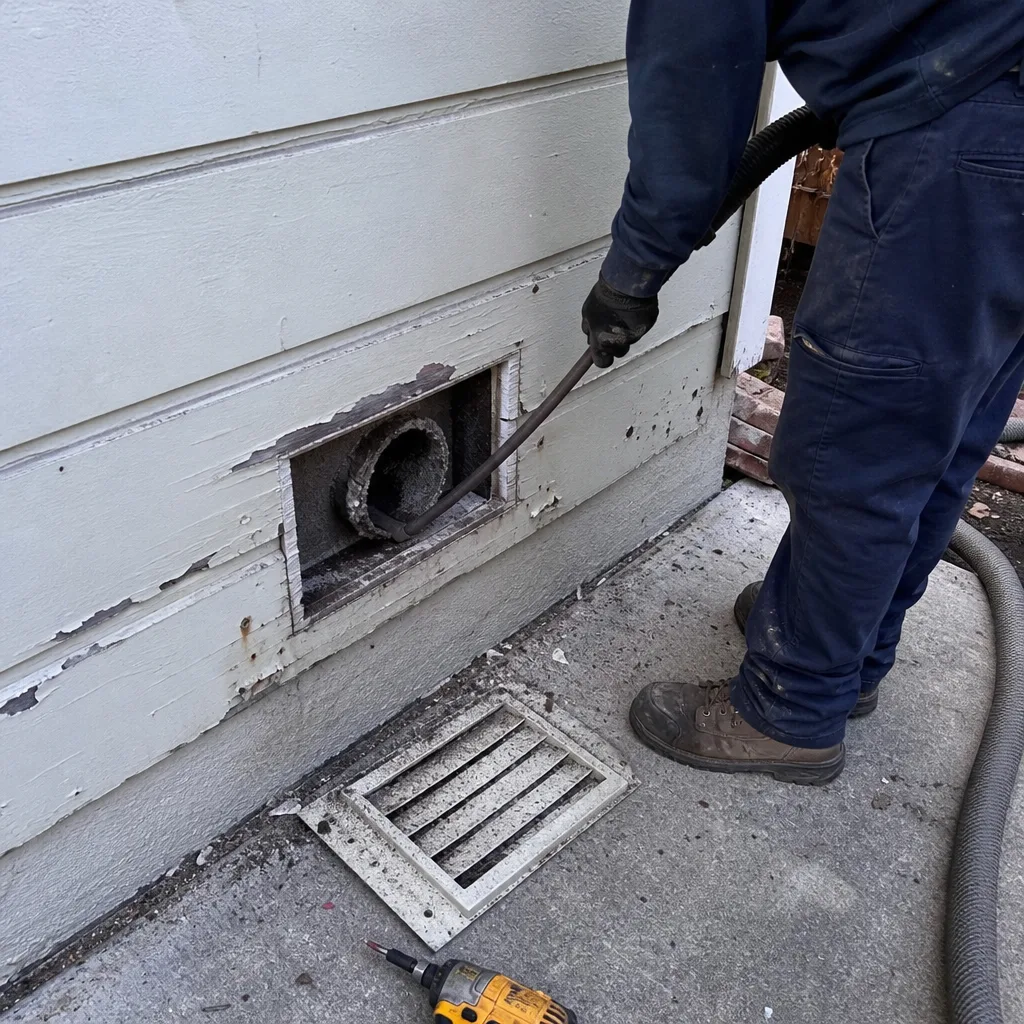 Before
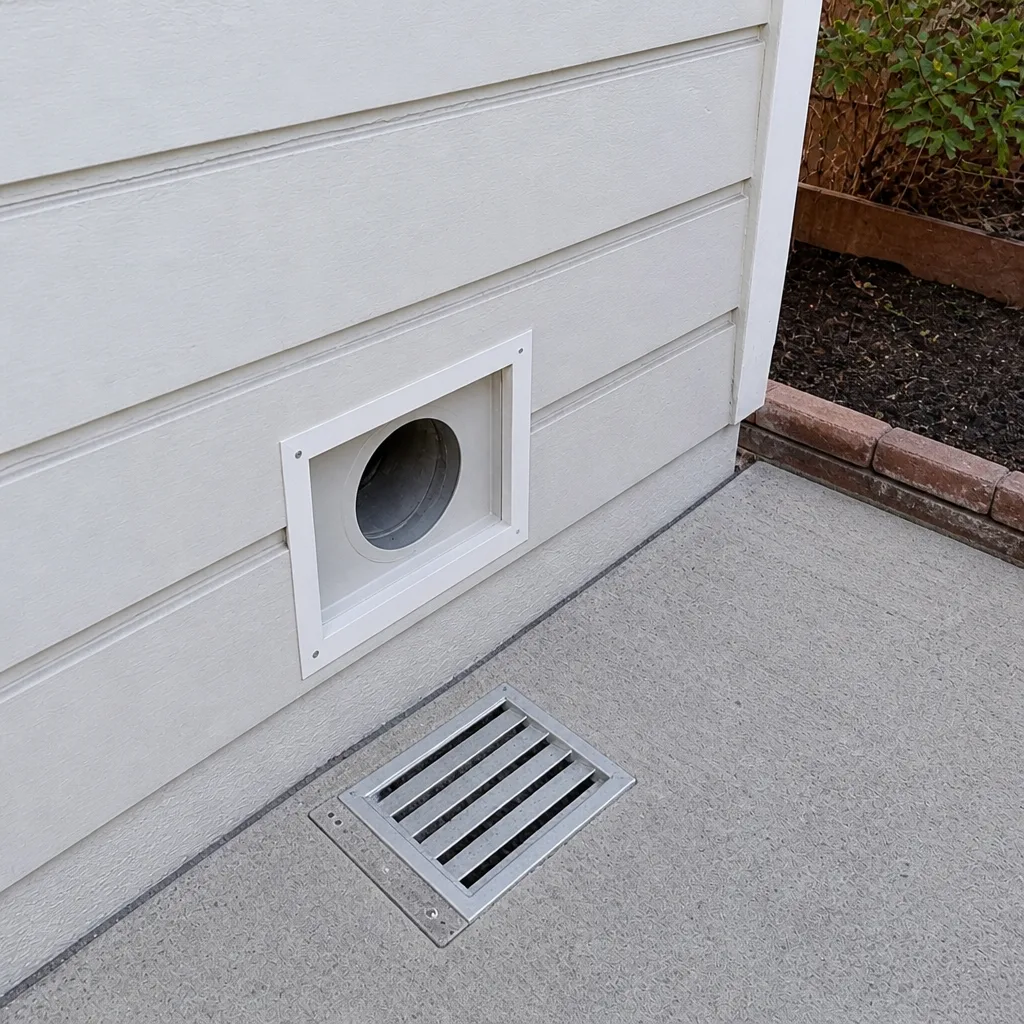 After