
Last updated November 16, 2026
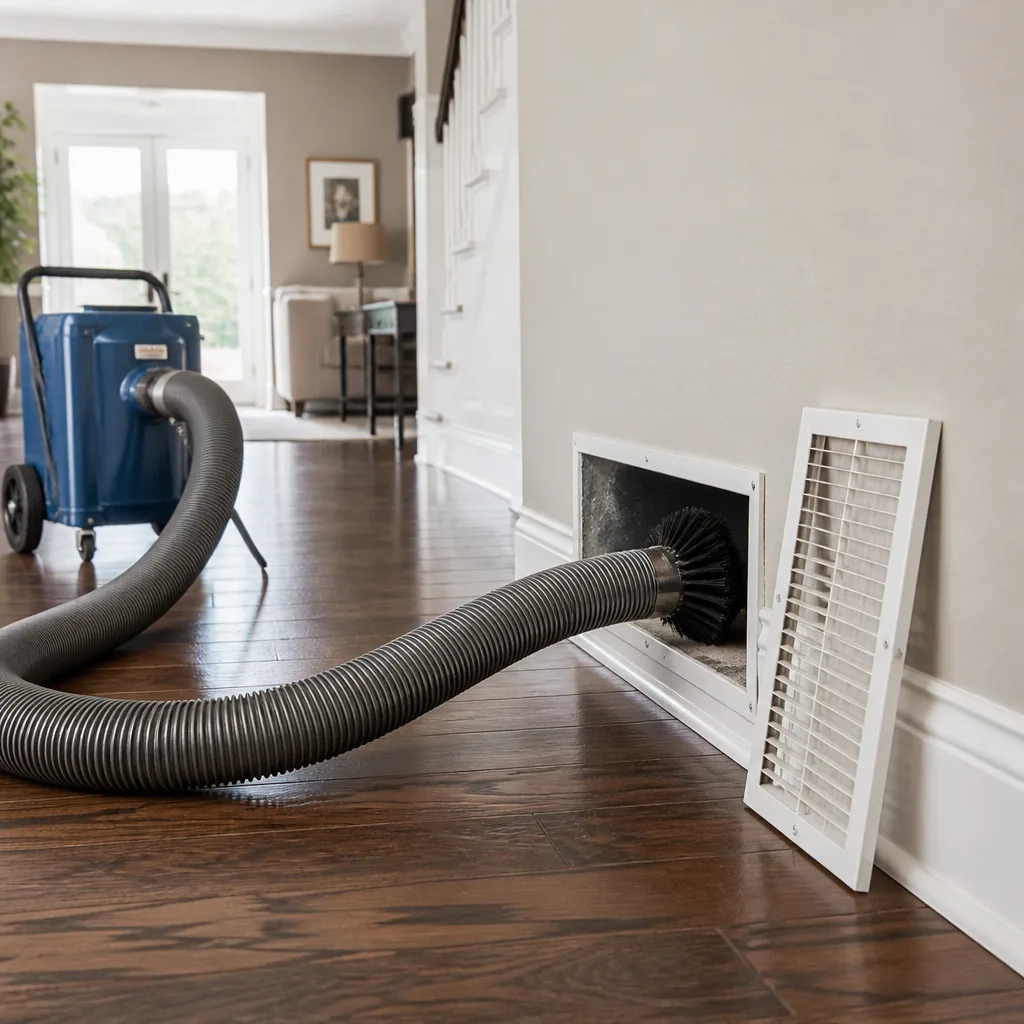 Whole-home duct cleaning
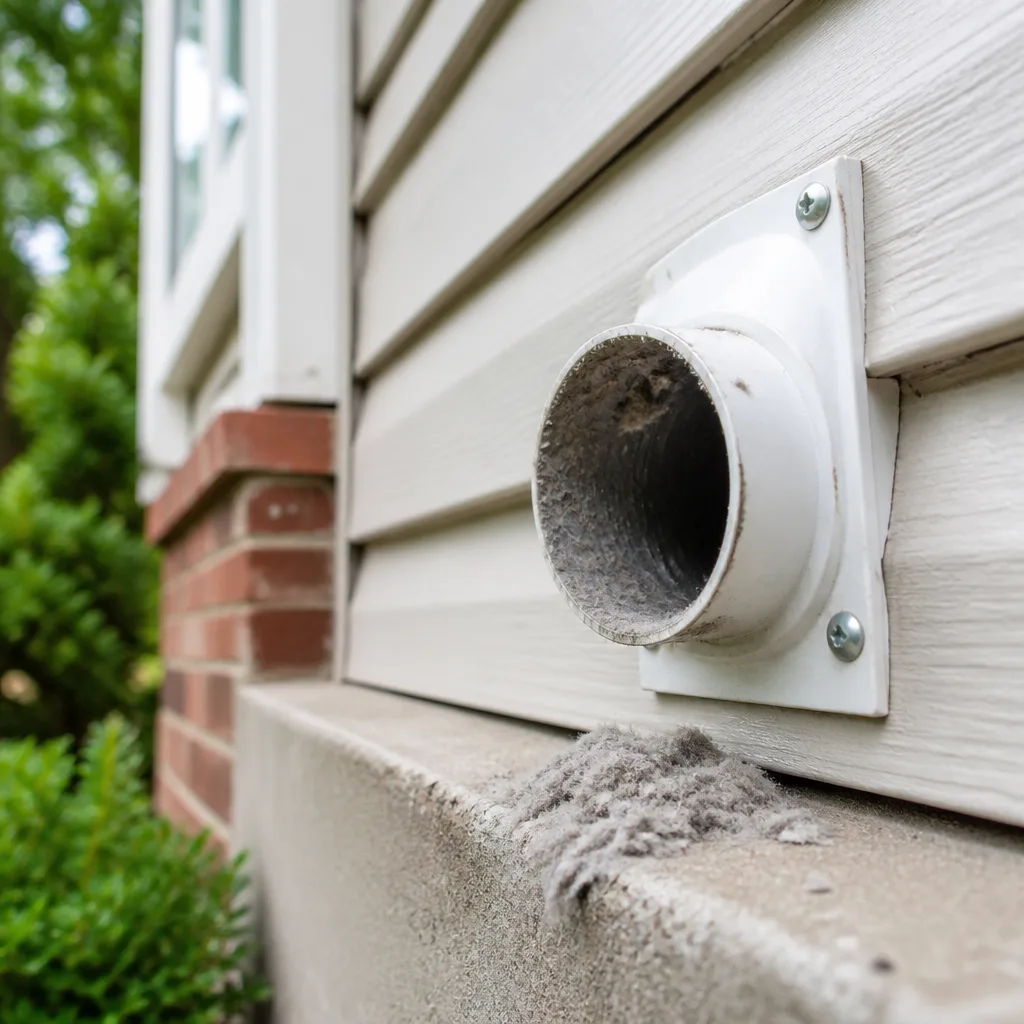 Dryer vent cleaning
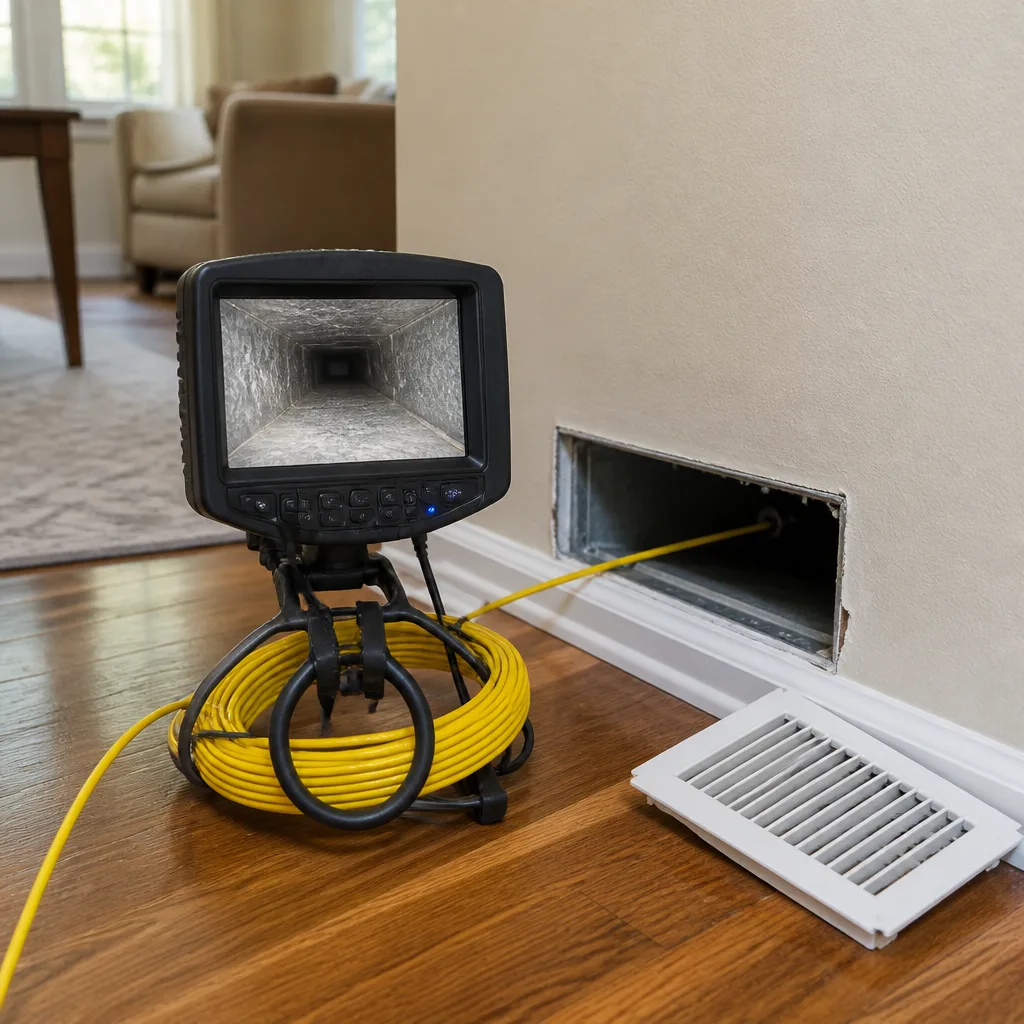 Camera inspection
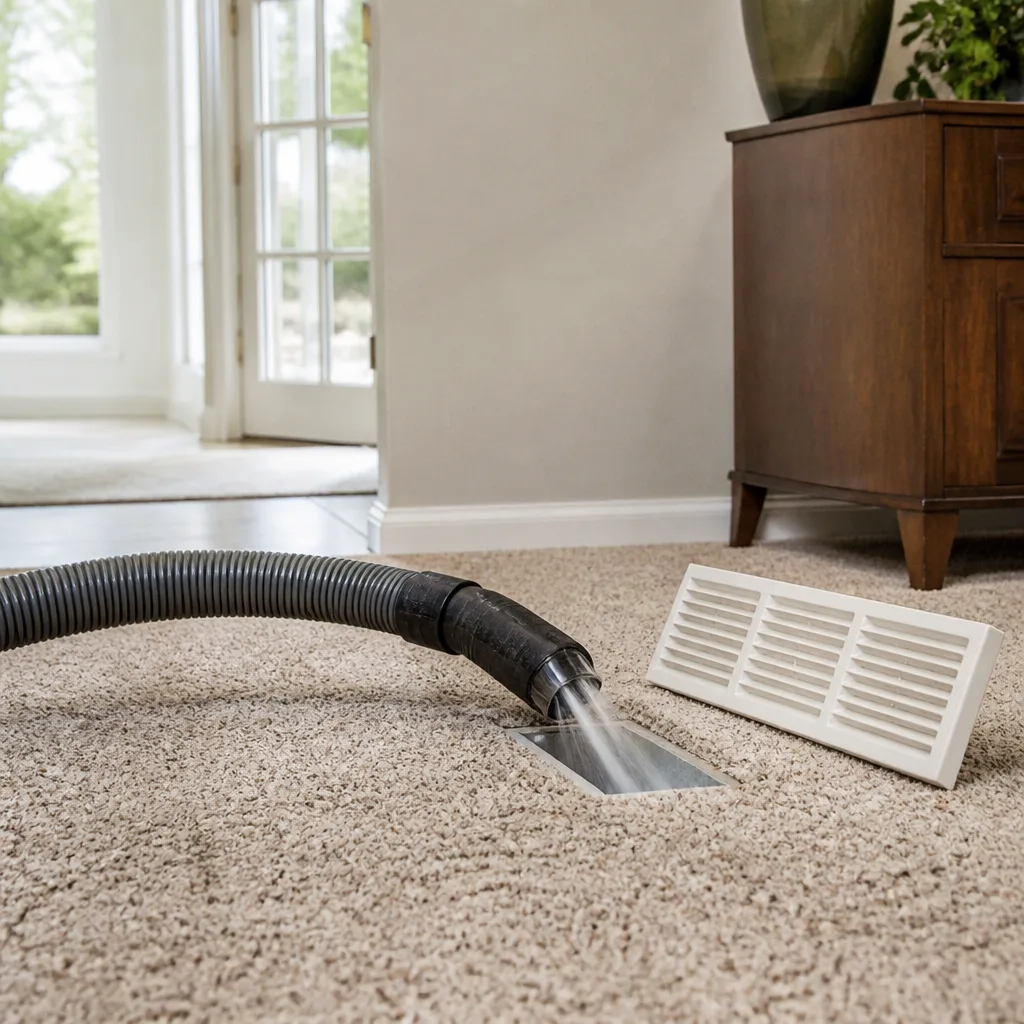 Sanitizing & deodorizing
Whole-system duct and dryer vent check with before-and-after photos - you see exactly what came out of your vents
That "$99 whole-house special" is a bait ad - the real number appears once they are in your hallway, or the "clean" is a shop-vac at the register. We photograph the inside of your ducts before and after instead.
Seasonal Air Duct Cleaning Care for Concord: Year-Round Homeowner’s Guide
Most homeowners in Concord have been told the same thing: clean your ducts every three to five years and forget about them. That interval works for a lot of climates. It doesn’t work here. Concord’s air quality calendar has a rhythm of its own – oak and grass pollen in spring, wildfire smoke windows that can open fast in summer and fall, dry months that concentrate fine dust, and a wet season that pushes moisture into places you’d rather it didn’t go. Each of those seasons loads your ductwork differently. In this guide we’ll walk through a month-by-month picture of what’s happening inside your system in Concord, what to check before the cooling season starts, how to time cleaning around renovations and filter upgrades, and how to tell when a cleaning is actually warranted versus when it’s just being sold to you.
Quick Answer
In Concord, the right time for air duct cleaning depends on what your system has been through, not on a fixed calendar. Spring pollen, summer wildfire smoke, fall system startup after months of dormancy, and winter moisture each create a different contamination pattern. Plan an inspection after any significant smoke event, before the first full cooling load in late spring, and after any renovation that generated drywall or flooring dust. Professional cleaning should use contact-cleaning and HEPA-extraction equipment, and the scope should be agreed and quoted before work starts.
Styles & brands we work with
- Whole-home duct cleaning
- Dryer vent cleaning
- Camera inspection
- Sanitizing & deodorizing
Table of Contents
- The Concord Seasonal Air Quality Calendar
- Reading AQI History to Decide if You Need an Early Inspection
- Pre-Summer HVAC Prep: What to Check Before June
- Timing Duct Cleaning Around Renovations
- Filter Upgrades by Season
- Winter Moisture and Mold Risk
- What Professional Cleaning Actually Involves
- Common Mistakes to Avoid
- When to Call a Professional
- Frequently Asked Questions
The Concord Seasonal Air Quality Calendar
Concord sits in a bowl of a valley where air tends to settle rather than clear. That matters for duct care because whatever is in the air around your home eventually finds its way into the return side of your system, and from there into every supply run. Here’s how the year breaks down from a duct-contamination standpoint.
- Late winter through spring (roughly February through May): Pollen load climbs, particularly oak and grass. Fine pollen is small enough to bypass basic filters and can accumulate on the interior of return plenums and flexible duct runs.
- Early summer (roughly June): This is when the system switches over to full cooling load. Whatever accumulated during spring gets pushed through the whole house in the first weeks of continuous operation.
- Mid to late summer (roughly July through October): Wildfire smoke windows. Contra Costa County has seen multiple smoke events in recent years, and each one can deposit fine particulate matter inside a residential duct system over a few days of continuous operation.
- Fall (roughly October through November): System startup after dormancy. Stagnant air, dust that settled on interior surfaces during the shoulder season, and debris that dropped into return grilles all get re-entrained the first week the system runs again.
- Winter (roughly December through February): Interior moisture. In Concord’s wet season, indoor humidity climbs, and any duct surface that stays damp has a higher chance of supporting biological growth.
The general takeaway: a Concord system doesn’t sit idle through a mild season. It cycles through distinct loads, and each load leaves its own signature. If you want your Benchmark Air Duct Cleaning visit to actually match what’s in your ducts, the inspection has to happen in the right season or in response to the right event.
Reading AQI History to Decide if You Need an Early Inspection
You can make an evidence-based decision about your ducts without guessing. Both AirNow (the EPA’s public air quality site) and PurpleAir (a network of low-cost community sensors) keep historical AQI data by location and date. If you can answer three questions from that history, you can decide whether your system ran during a smoke event that warrants an early look.
- Was there a smoke event in your area in the last 12 months? Look at the daily AQI history for Concord on AirNow and note every day that crossed into the “Unhealthy for Sensitive Groups” or higher category. PurpleAir sensors at the neighborhood level will show you whether your specific part of town was worse than the regional average.
- Was the system running during that event? If it was hot, the AC was on. If you have a whole-house fan, it was pulling outside air in directly. Either way, the return-side ductwork was treating smoke as its air source.
- How long did the event last? A single smoky afternoon barely registers. A four- or five-day smoke window with continuous system operation is a different matter, especially in an older home with a leaky return system.
If all three answers point to significant exposure, that’s your trigger for an inspection – regardless of when you last had a cleaning. If the answers are “no smoke event, system mostly off,” you can wait for your regular interval. Our technicians have up to experience reading duct conditions in Concord, and the honest answer is often that an inspection finds less than the homeowner feared. But the only way to know is to look.
Pre-Summer HVAC Prep: What to Check Before June
The single most important timing decision in Concord duct care is what happens before the system goes to full cooling load in late spring. Between roughly March and June, the cooling system transitions from occasional use to continuous use. During that transition, all the accumulated spring pollen, dry dust, and settled debris from the cooler months gets pushed through every supply register in the house – usually in the first two weeks of heavy AC use, when you’re least able to open windows and let fresh air in.
Here’s what to check before that happens:
- Inspect the return grille filter. If it’s loaded with pollen and dust, replace it before the cooling season starts. Running a saturated filter through June sends the overflow straight to the cooling coil and downstream ductwork.
- Look inside the return plenum. With the system off, shine a flashlight into the return duct just past the filter. Visible dust build-up on the duct wall is a sign the return system needs attention.
- Check every supply register for dust trails. Streaks at the grille edges mean airflow is carrying fine particles past the register blades.
- Listen for airflow changes. A system that sounds louder than it did last summer, or that’s cycling more frequently, can indicate restricted airflow from accumulated debris or a partially blocked duct.
- Schedule an inspection if any of the above signs shows up. Doing this before June is easier to fit into a schedule than a mid-July scramble.
If you’re already seeing signs your ductwork is compromised – loose connections, crushed flex runs, torn insulation – the same pre-summer window is the best time to schedule air duct cleaning together with repair, so the system is at full airflow capacity before the hottest weeks arrive.
Timing Duct Cleaning Around Renovations
This is a mistake we see frequently in Concord homes that have recently been through a kitchen or bathroom remodel: the homeowner waits until the contractor is done to think about duct cleaning, and by then the system has already run through several weeks of drywall dust, sawdust, and flooring debris. The right answer is the opposite of what most people do.
Duct cleaning after a renovation should happen before the system runs. Here’s why timing matters this much:
- Drywall sanding produces very fine particulate that stays airborne for days and settles into return grilles and open duct ends.
- Once the system cycles on, fine dust gets pulled through the return plenum and distributed to every supply run in the house.
- Sawdust and construction debris left in ducts can be re-entrained every time the system runs, so a single cleaning four weeks later may not catch what’s already deposited on the far side of a long flex run.
The practical sequence for any Concord renovation:
- Seal every return and supply register with plastic and tape before demolition begins.
- Keep the HVAC system off during drywall sanding and flooring removal whenever possible.
- Schedule cleaning for the day after the final cleanup but before the system is put back into service.
- Replace filters after cleaning, not before – a new filter placed before cleaning will load up with construction dust immediately.
This same logic applies to smaller jobs. A single bathroom that gets a shower surround replaced still puts fine dust into the air for days. If the system runs while that dust is suspended, it finds its way into the return side.
Filter Upgrades by Season
Filter changes and duct cleanings should be coordinated, not treated as independent maintenance. The filter rating that makes sense in one season can be a liability in another, and the timing of the change matters as much as the rating.
Here’s a seasonal filter approach for a typical Concord home:
- Spring (before pollen peak): Install a mid-range MERV filter to catch pollen and fine dust. A filter that’s too restrictive on an older system can strain the blower, so have it sized for your equipment.
- Summer smoke season: During an active smoke window, a higher-MERV filter helps capture fine particulate – but only if the system can handle the pressure drop. If you have a Honeywell or Aprilaire filtration system, the correct filter grade is in the equipment documentation, and upgrading incorrectly can reduce airflow without improving capture.
- Fall startup: Replace the filter as part of system startup, right after any fall cleaning. A filter installed in fall catches the debris loosened by dormancy, not the debris installed by a fresh cleaning.
- Winter moisture season: Use a mid-range filter and monitor for dampness. A filter that stays damp in a high-humidity run promotes biological growth on the filter itself.
The key principle: clean first, filter second. A new filter on dirty ductwork just loads up with whatever the cleaning was meant to remove.
Winter Moisture and Mold Risk
Concord’s wet season is mild compared to the mountains, but interior moisture still matters for duct health. During December through February, indoor humidity climbs, and any duct surface that stays damp – a condensate drip pan that doesn’t drain properly, a supply run that runs through an unconditioned crawl space, an evaporator coil cabinet with inadequate insulation – becomes a potential growth surface.
What to check in winter:
- Look for condensation on supply registers, especially in bathrooms and kitchens.
- Check the condensate drip pan for standing water and confirm the drain line is clear.
- Inspect any accessible duct runs that pass through unconditioned space for torn insulation or visible moisture.
- If the home has a whole-house humidifier tied into the HVAC system, have it serviced before the wet season.
If you can see visible growth inside a return or on a supply register, that’s a professional evaluation, not a DIY cleaning project. Disturbing growth without proper containment just sends spores into the airstream. We use Rotobrush contact-cleaning systems and Nikro HEPA-extraction equipment specifically because both are designed to capture debris rather than aerosolize it during the cleaning process.
What Professional Cleaning Actually Involves
In our experience, the biggest reason homeowners put off duct cleaning is uncertainty about what they’re actually buying. Here’s the process, stripped of marketing language.
- Inspection first. Before any quote, we look inside the system – the return plenum, accessible supply runs, and the coil cabinet. A cleaning quoted without an inspection is a guess.
- Containment setup. Return and supply registers are sealed, and negative pressure is established so loosened debris goes into the equipment, not into your living room.
- Contact cleaning. Rotobrush systems use a rotating brush head on a flexible shaft to physically agitate dust from duct walls while a vacuum captures it. This is the step most discount competitors skip.
- HEPA extraction. Nikro HEPA-extraction equipment filters the airstream at 99.97% efficiency at 0.3 microns. That’s the level where fine particulates, including wildfire smoke residue, actually get captured.
- Repair if needed. Loose connections, crushed flex runs, or torn insulation discovered during cleaning can be repaired in the same visit rather than handed off to another contractor.
- Before-and-after documentation. Photos of the same duct interior before and after cleaning are the only honest way to verify the work happened.
Tying back to the name: a benchmark is something you can measure against. That’s why we inspect before we quote, photograph before and after, and put the scope of work in the estimate rather than describing it in vague terms after the fact.
See the difference
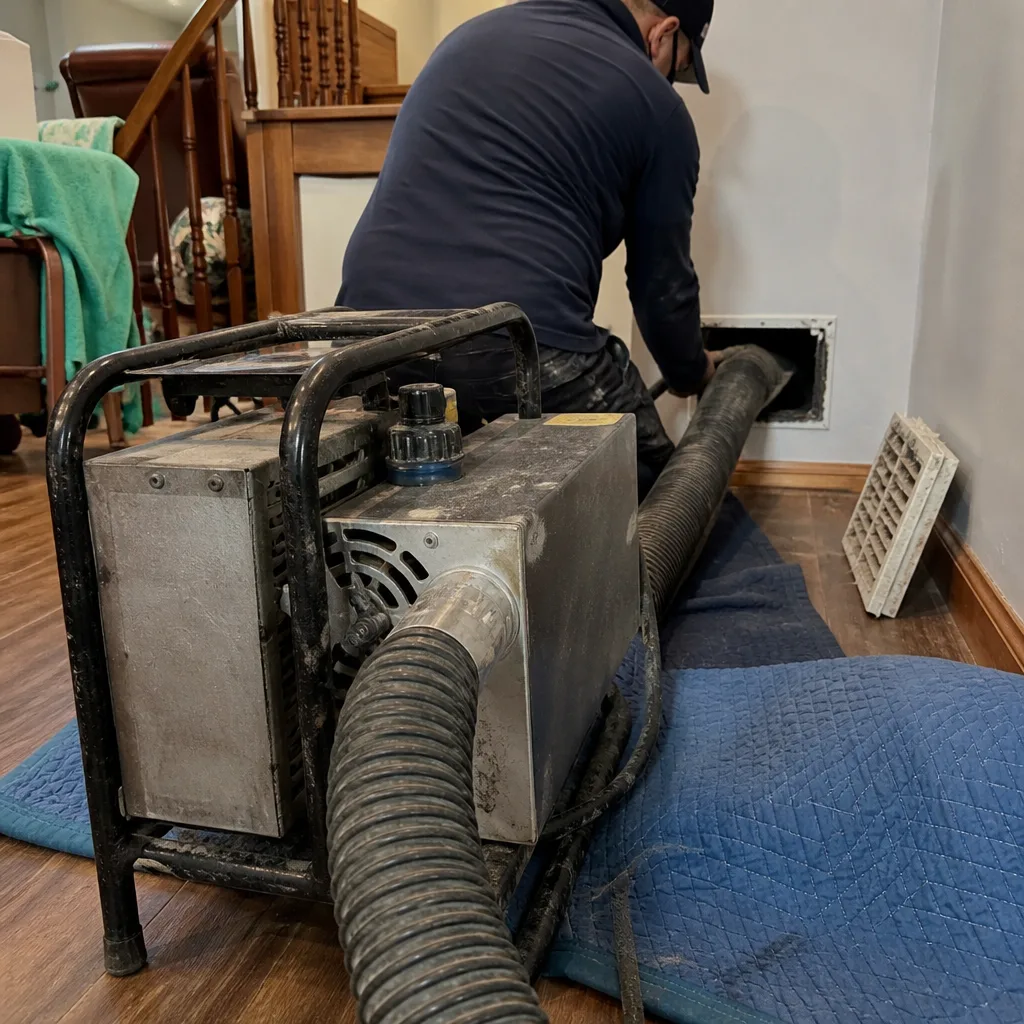 Before
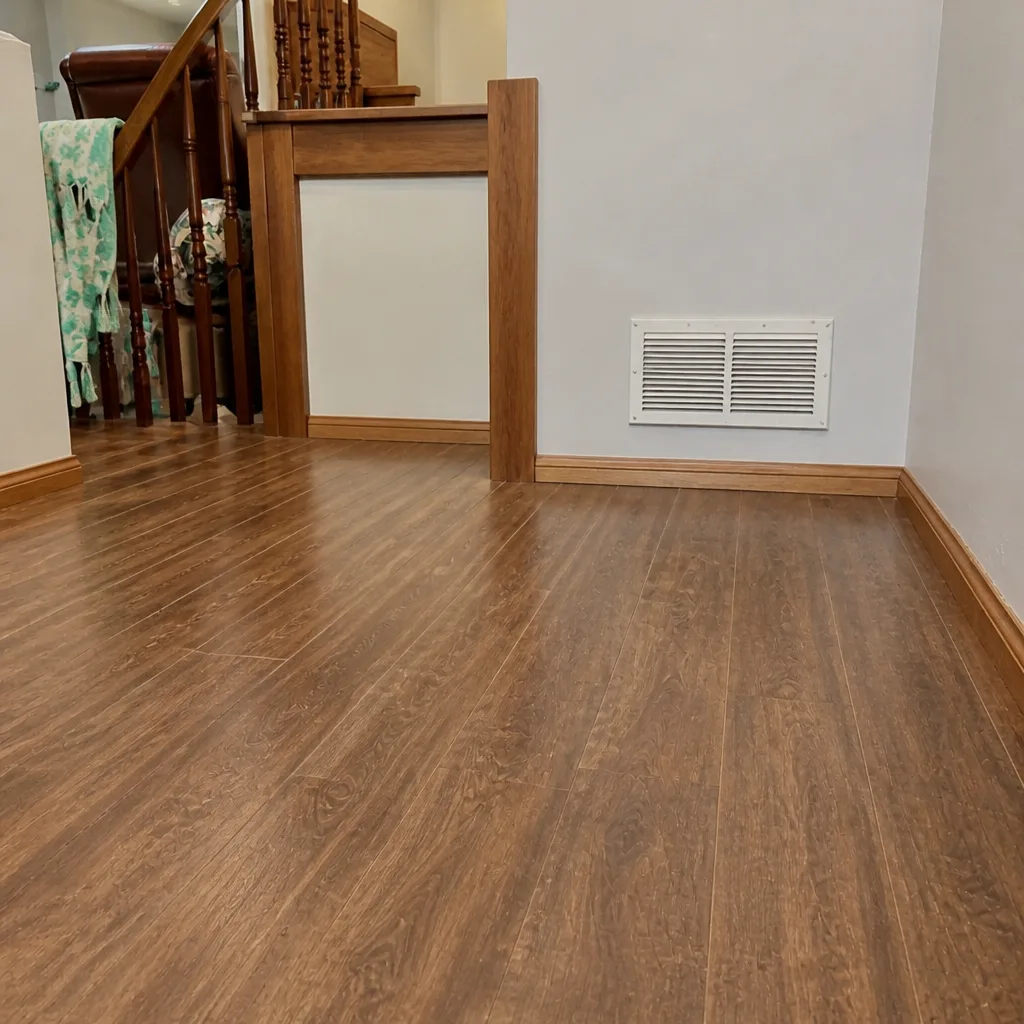 After
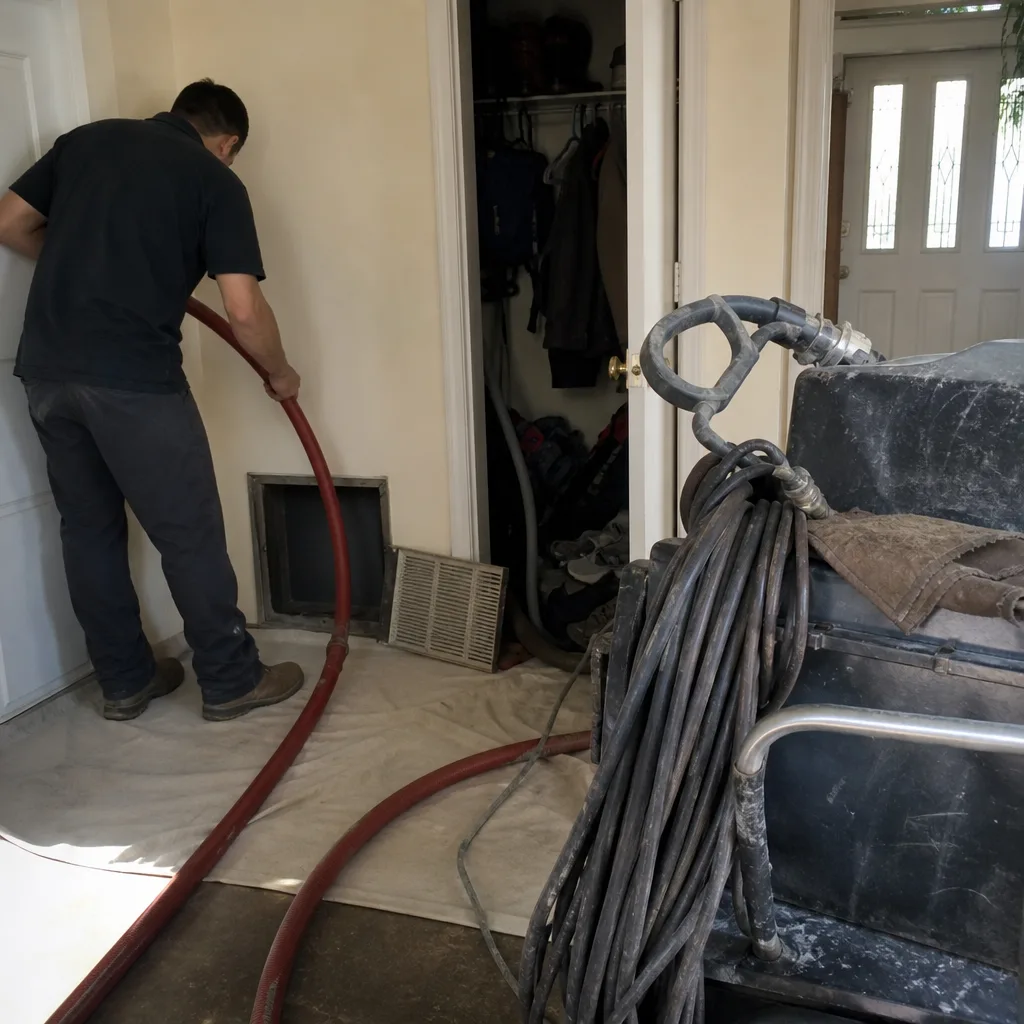 Before
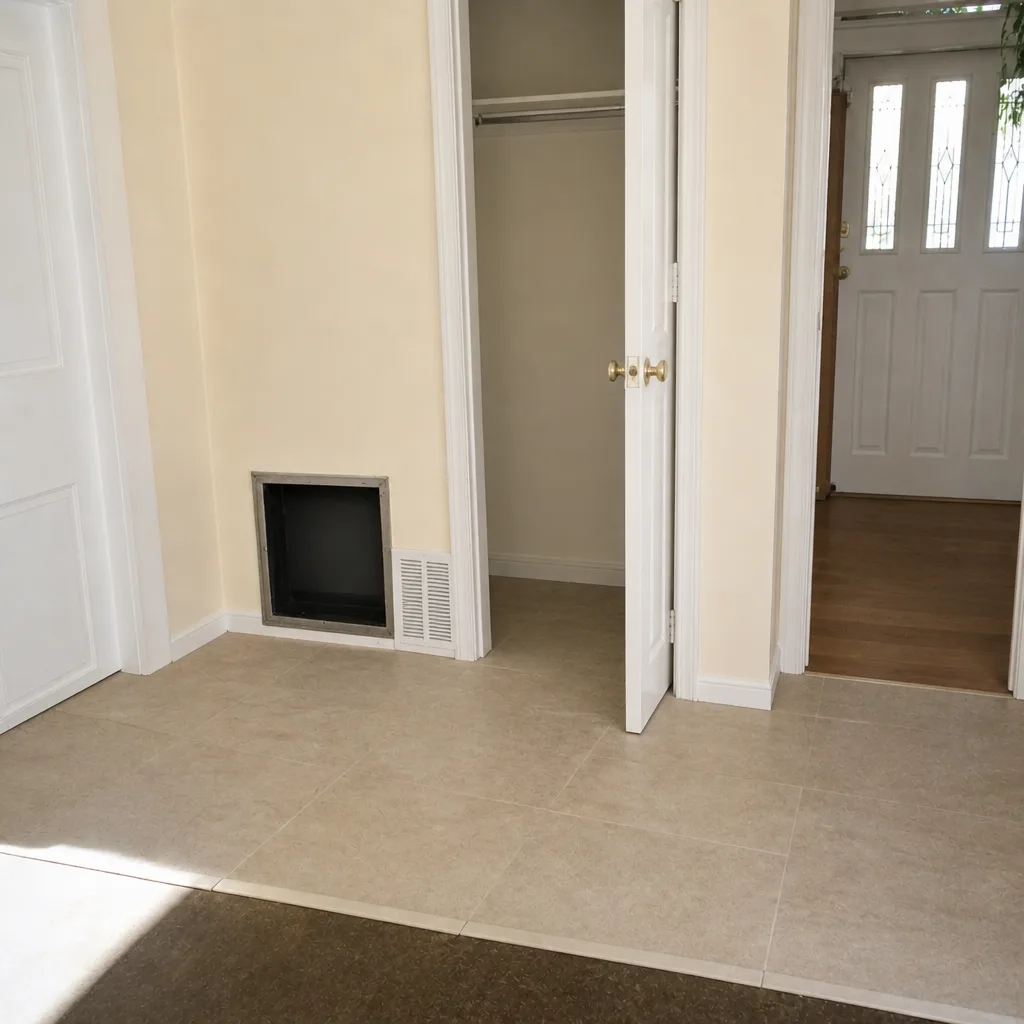 After
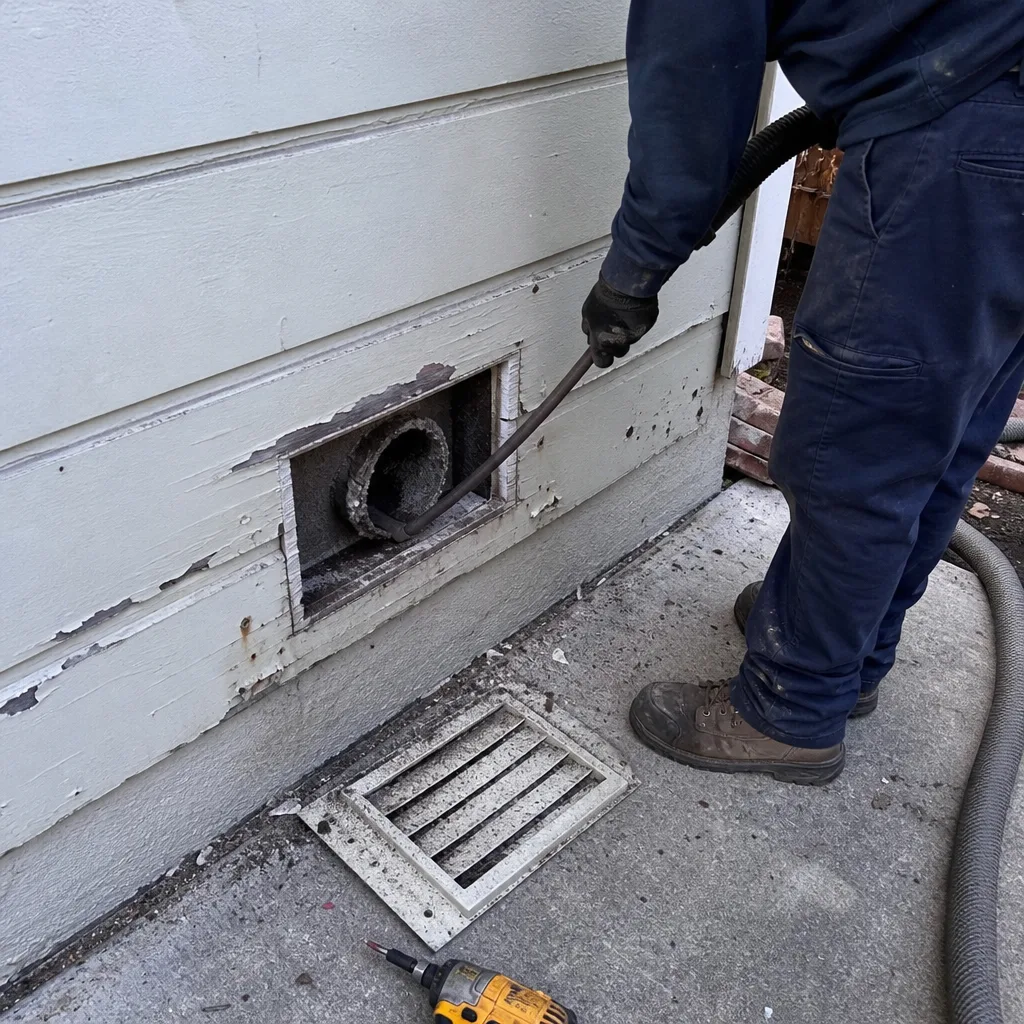 Before
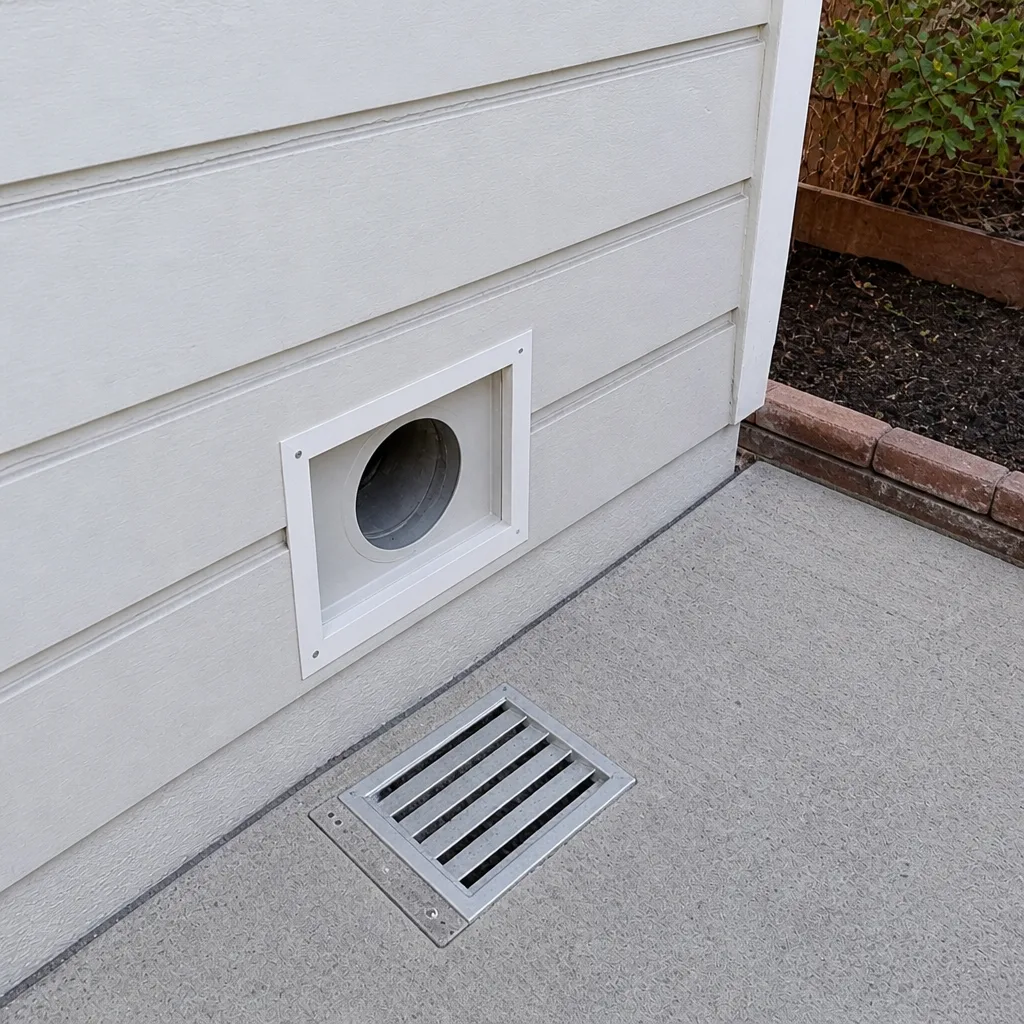 After
Common Mistakes to Avoid
- Following the “three to five years” rule without checking your local conditions. A Concord home that ran its AC through a multi-day smoke event may need a cleaning one year after the last one. A home that was closed up and unused for the same period may not.
- Running the system through a renovation cycle. The dust doesn’t disappear when the contractor leaves. It’s inside the return plenum, waiting to distribute through every room the first time the thermostat kicks on.
- Upgrading to a higher-MERV filter without checking the system. A filter rated higher than the equipment can support reduces airflow, strains the blower, and can freeze an evaporator coil on a hot Concord afternoon.
- Accepting a cleaning quote over the phone without an inspection. Scope and price belong to what’s actually inside the system, not to the number of registers on your floor plan.
- Treating duct cleaning as a filter replacement service. Cleaning and filtering are two different jobs. One removes the accumulation; the other protects against new accumulation. Skipping either undermines the other.
- Ignoring confirmed AQI data. PurpleAir and AirNow aren’t marketing tools, they’re evidence. Ten minutes of checking the daily history tells you more about your system’s exposure than a sales call.
- Hiring a shop-vac and a blower. A vacuum that isn’t HEPA-rated and a blower that doesn’t agitate duct walls moves dust around the system rather than out of it.
When to Call a Professional
Call for an inspection when any of these describes your situation: you ran your system through a significant wildfire smoke window in Concord; you’ve just finished a renovation that generated drywall or flooring dust; you’re seeing visible dust trails at supply registers; airflow has changed noticeably since last season; or the system is over a decade old and hasn’t been inspected in years. Also call if you see visible growth inside a return or supply register – that’s not a job for a shop vac.
Benchmark Air Duct Cleaning offers free estimates in Concord – call (855) 970-7954. We answer 24/7. Fast dispatch from 7am to 7pm, Sunday through Friday. We work across Concord and the surrounding area, and we also offer standalone dryer vent cleaning as a safety service for any home where the dryer vent hasn’t been inspected in years.
Frequently Asked Questions
Most Concord homes benefit from cleaning every three to five years, but the local air quality calendar matters more than the interval. A home that ran its system through a significant wildfire smoke event may need an inspection one year after its last cleaning. A home that was closed up and unused for most of the same period may not need one at all. Read your own AQI history, check for signs at the registers, and let the evidence set the schedule.
Not every event, but the significant ones. A single smoky afternoon barely registers. A multi-day smoke window with the system running continuously is different – fine particulate can accumulate on duct interior surfaces and get re-entrained every time the system runs. AirNow and PurpleAir history tells you whether the event was significant enough to justify an inspection.
Before the system runs, not after. If drywall, flooring, or ceiling work is underway, seal the registers during demolition and sanding, keep the system off when possible, and schedule cleaning for the day after final cleanup but before the HVAC is put back into service. Cleaning a month after the system has already distributed construction dust is much less effective than cleaning before the first cycle.
Only if your system can handle the pressure drop. A higher-MERV filter captures more fine particulate, but a filter that’s too restrictive for the equipment reduces airflow and strains the blower. If you have a Honeywell or Aprilaire filtration system, check the equipment documentation for the correct filter grade before upgrading. An Aprilaire or Honeywell system that’s sized correctly will handle the smoke season well; one that’s over-specified will not.
Ask for before-and-after photos of your own duct interior – not stock photos. The benchmark for a legitimate cleaning is visual evidence of the same return plenum and the same supply runs at both stages. A cleaning that can’t produce that evidence isn’t documented work.
Equipment and process. Professional cleaning uses contact-cleaning equipment that physically agitates duct walls (Rotobrush) and HEPA-rated extraction (Nikro) – the same systems used by certified indoor air quality contractors. A shop vac and a blower don’t remove accumulation, they move it. The quote should also be based on an inspection, with the scope agreed and written before any work starts.
The Bottom Line
Concord’s air quality is not a background condition – it’s a seasonal driver of what ends up inside your ductwork. Spring pollen, summer and fall wildfire smoke, fall system startup, and winter moisture each create a different contamination pattern, and a generic “clean every three to five years” interval doesn’t account for any of it. Check your local AQI history after smoke events, schedule cleaning before the June cooling load, clean before filters after any renovation, coordinate your filter upgrades with cleaning cycles rather than treating them as separate tasks, and inspect for winter moisture before the wet season arrives. That’s a calendar you can actually work with.
If you’d like a straight answer about what’s in your ducts right now, call Benchmark Air Duct Cleaning at (855) 970-7954 for a free estimate in Concord. We answer 24/7. Fast dispatch from 7am to 7pm, Sunday through Friday.
Written by the team at Benchmark Air Duct Cleaning.