
Last updated November 16, 2026
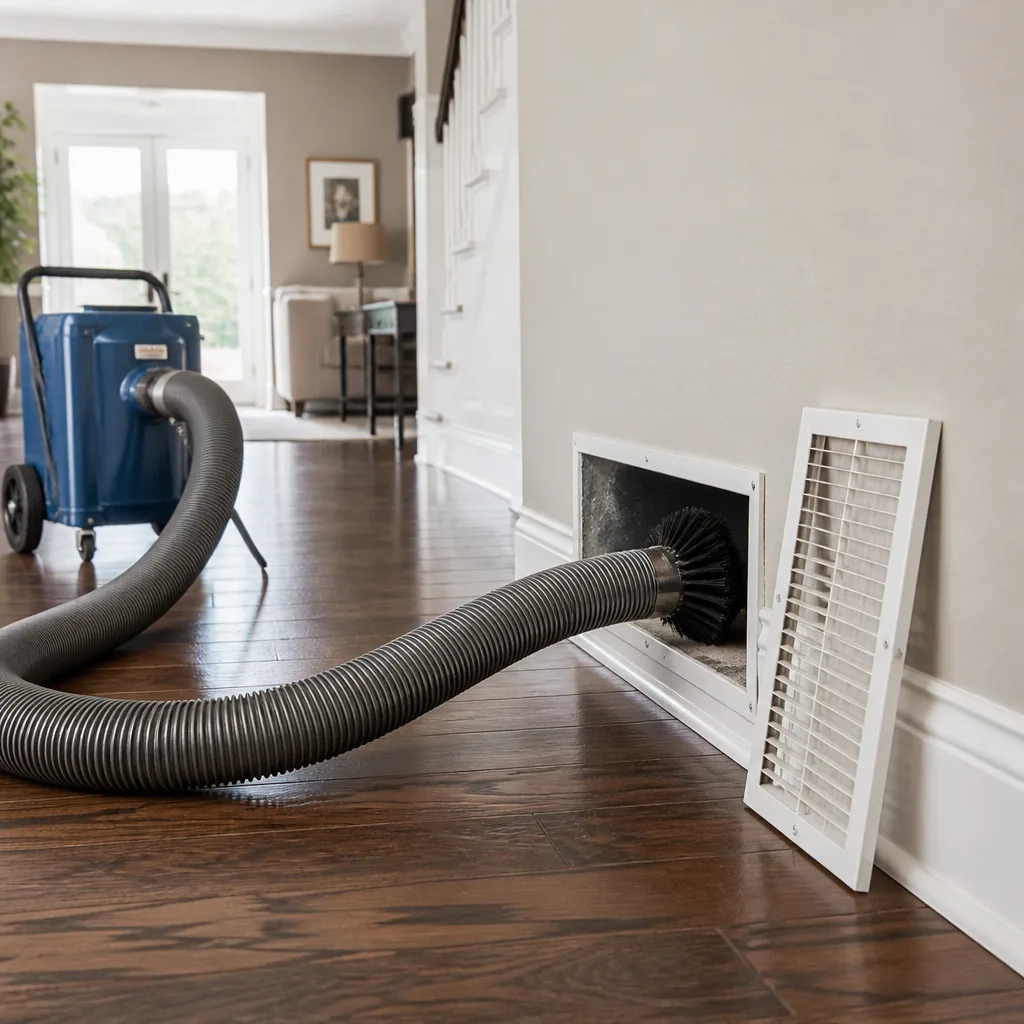 Whole-home duct cleaning
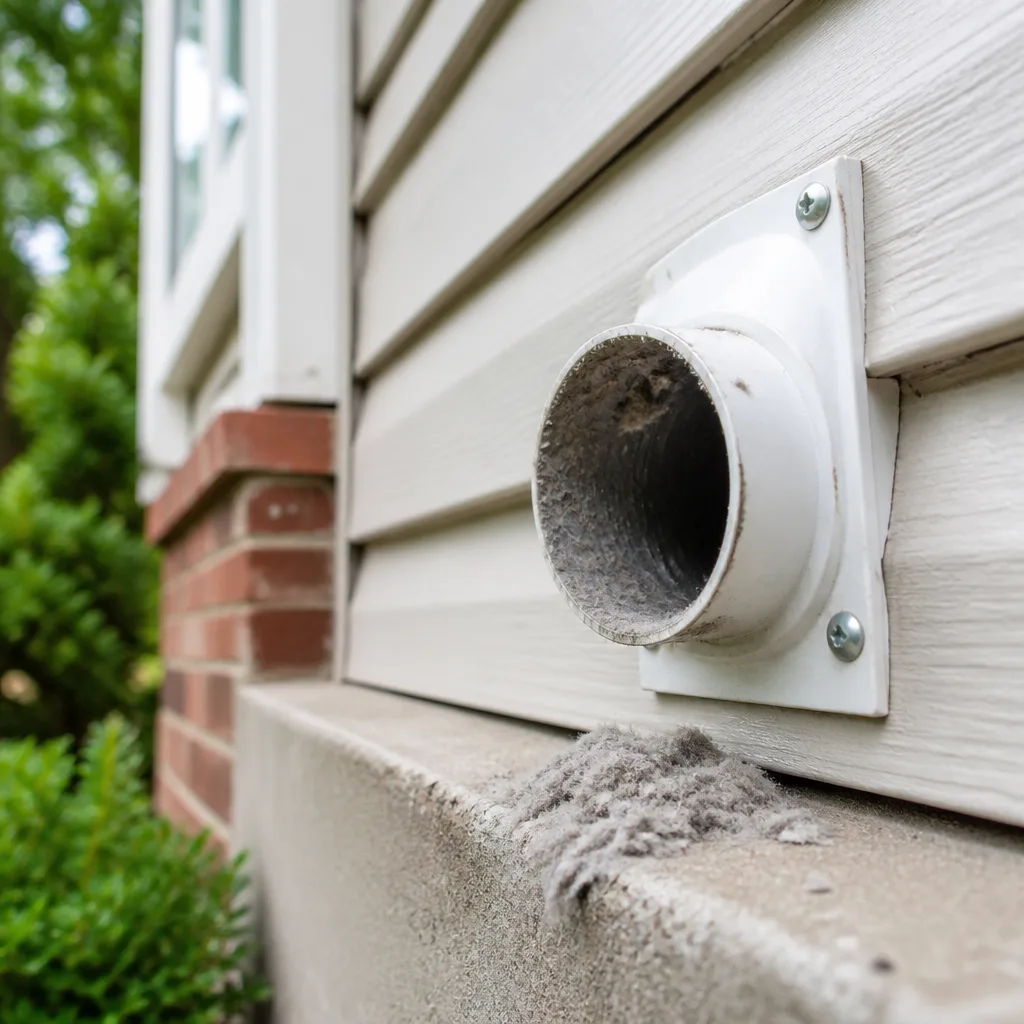 Dryer vent cleaning
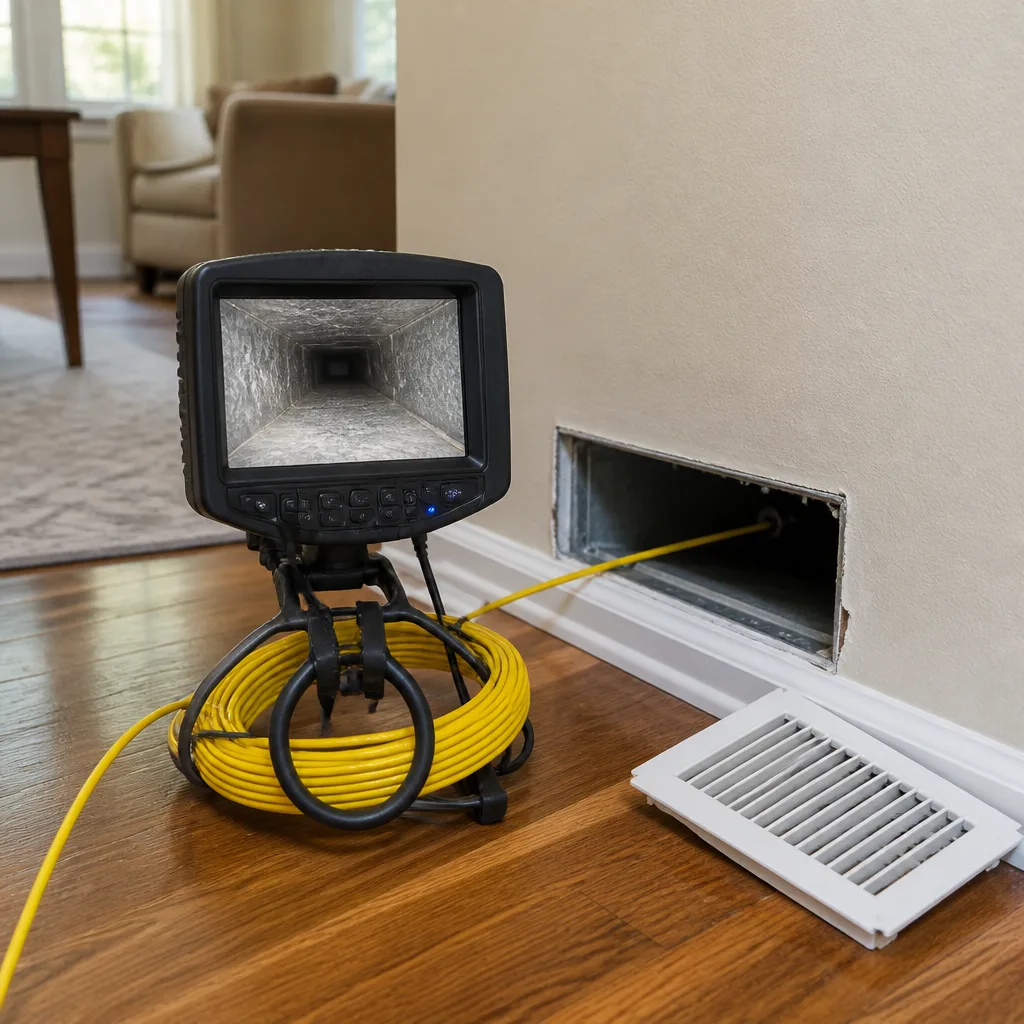 Camera inspection
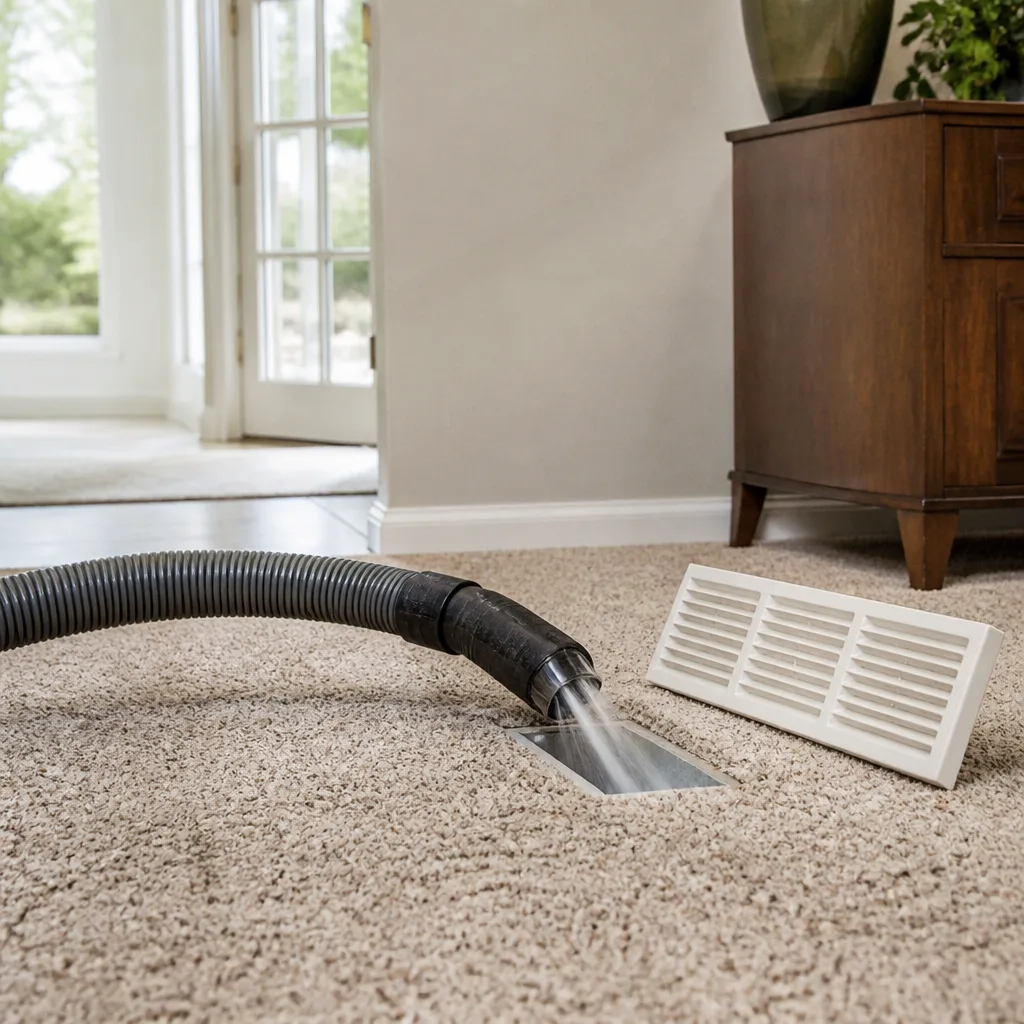 Sanitizing & deodorizing
Whole-system duct and dryer vent check with before-and-after photos - you see exactly what came out of your vents
That "$99 whole-house special" is a bait ad - the real number appears once they are in your hallway, or the "clean" is a shop-vac at the register. We photograph the inside of your ducts before and after instead.
Choosing the Right Air Duct Cleaning Brand: A Buyer’s Guide for Concord
Most homeowners pick an air duct cleaning company the same way they pick a restaurant: star rating and price. Neither tells you whether the technician will arrive with a contact-cleaning system that physically scrubs the duct walls or a blower that stirs debris into the air and hopes a shop vac catches it. That gap between what a company advertises and what actually shows up in your driveway is where duct cleaning gets its bad reputation.
This guide is written from Concord, and it’s meant to change what you look for. By the end you’ll understand what the equipment brands on a contractor’s list actually do, how to ask the questions that separate real process from marketing, and why the machine matters more than the logo.
Quick Answer
The right air duct cleaning brand in Concord is the one whose equipment you can identify and whose technician can explain which system they’ll use on your specific ductwork and why. In practice that means a contractor running a contact-cleaning system like Rotobrush plus HEPA extraction and negative-pressure containment from Nikro or Abatement Technologies – not a blower and a consumer vacuum. Ask what they own, not what they “have access to,” and listen for a process answer rather than a price.
Styles & brands we work with
- Whole-home duct cleaning
- Dryer vent cleaning
- Camera inspection
- Sanitizing & deodorizing
Table of Contents
- Why the Equipment Is the Real Brand
- What Rotobrush Actually Does Mechanically
- Nikro and Negative Pressure: Why Containment Matters
- Where Abatement Technologies Fits in the Hierarchy
- How to Ask a Concord Contractor What They Own
- Matching the Equipment to Your Duct Type
- Filtration and Air Quality Beyond the Duct
- When Cleaning Isn’t Enough: Duct Repair
Why the Equipment Is the Real Brand
A company name tells you almost nothing. A review count tells you how many people were satisfied, not what satisfied them. But the equipment list tells you, in concrete terms, what will happen inside your home. Equipment is the part of a duct cleaning company you can actually verify before you book.
Here’s the distinction that matters. Some outfits clean with a large vacuum hose and an air whip – a compressed-air tool that flings debris loose so the vacuum can pull it out. That setup can move surface dust. It does not scrub the duct walls, and it leans heavily on the vacuum to catch everything the whip throws into the air. A contact-cleaning system works differently: a rotating brush physically contacts the duct surface while an integrated vacuum collects the loosened material at the same point in the process. The difference between agitation and contact is the difference between sweeping a floor and blowing on it.
For anyone comparing duct cleaning options in Concord, this reframes the whole search. You’re not really choosing a company brand. You’re choosing an equipment stack and a process. That’s why the rest of this guide walks through the major professional equipment names one at a time.
One more thing worth naming early: our own company, Benchmark Air Duct Cleaning, built its identity around this idea. The name is meant to signal measurable work – inspection first, equipment matched to the problem, before-and-after results you can see. Hold any Concord contractor to that standard, ours included.
What Rotobrush Actually Does Mechanically
Rotobrush is a contact-cleaning system, and the “contact” part is the whole point. It combines a rotating brush head on a flexible shaft with a vacuum hose running alongside it, so the brush scrubs the inside of the duct while the vacuum captures what the brush loosens at the same moment. Cleaning and collection happen together rather than as two disconnected steps.
Why does that matter? With a blower-and-vacuum approach, debris is agitated first and captured later – if it’s captured at all. Lighter particles go airborne inside the duct and can drift into rooms through registers before the vacuum pulls them down. The contact method reduces that gap because the loosened material is collected right where it’s disturbed.
In practice, Rotobrush systems are well suited to residential branch runs – the smaller ducts that feed individual rooms – and to supply and return lines in the average Concord home. A technician working a standard single-family house will typically:
- Inspect the ductwork and registers first to establish a baseline.
- Isolate or protect the system as needed before cleaning starts.
- Run the contact brush and integrated vacuum through each branch run.
- Clean the main trunk lines and the air handler area as accessible.
- Photograph the before-and-after condition of the duct interior.
That last step is where the “benchmark” idea earns its name. Contact cleaning leaves the duct interior visibly changed, which makes it photographable. If a contractor can’t show you what your ducts looked like before and after, ask why. For a deeper look at what a professional cleaning involves, see our air duct cleaning page.
Nikro and Negative Pressure: Why Containment Matters
Nikro is best understood as the containment side of the job. Alongside powerful HEPA extraction units, Nikro equipment keeps the work area under negative pressure – meaning air is pulled into the system rather than pushed out into the room. HEPA filtration captures fine particles that would otherwise ride the airstream back into your living space.
This isn’t a luxury feature. It changes the outcome in specific situations:
- Homes with mold concerns. Disturbing contaminated material without containment spreads spores. Negative pressure and HEPA capture keep them from migrating into rooms.
- Households with immunocompromised occupants. Fine particulate control matters more when the people breathing the air are more vulnerable.
- Post-renovation contamination. Drywall dust, sawdust and construction debris settle deep in ductwork. Containment keeps that material from being re-suspended and redistributed.
In our experience, this is the single most overlooked question in duct cleaning. A homeowner focused on price never asks what happens to the particles the cleaning loosens. A contractor who only runs a blower and a shop vac has no containment, and in a home with any of the conditions above, that’s a real problem. If your household falls into one of those categories, ask specifically whether HEPA extraction and negative-pressure containment will be used – and get the answer before work starts.
Nikro equipment in a contractor’s stack is a signal that the job is being handled as an air-quality job, not just a neatness job. That distinction runs through everything we do at Benchmark, and the technicians we work with are experienced with this class of equipment, with up to 11 years of field experience among them.
Where Abatement Technologies Fits in the Hierarchy
Abatement Technologies sits at the top of the residential equipment hierarchy. Its equipment is built for remediation-level air quality – containment and air filtration capable of handling serious contamination scenarios, including the kind of job where material in the ducts isn’t ordinary household dust.
When does that level come into play? Two situations stand out:
- When contamination is confirmed before cleaning. Inspection turns up growth, heavy particulate, or evidence of a source problem that requires more than routine extraction.
- When the scope of work crosses into remediation territory. Post-renovation cleanup, restoration work, or any scenario where the containment requirement is higher than a standard clean.
What does Abatement equipment in a contractor’s toolkit signal? It signals that the contractor can handle the harder end of the job rather than handing it off. A duct cleaning-only outfit that has never invested in this tier of equipment will refer out the moment a job gets complicated. That referral is a handoff, and handoffs are where accountability gets lost.
To be clear about scope: duct cleaning, repair, and dryer vent service are what we handle. Abatement-class equipment matters for how seriously a company takes containment on the jobs it does perform. If your situation calls for actual mold remediation, that’s a specialized service, and a contractor who tells you their duct cleaning is a substitute is telling you something about how they operate. The value of having this equipment in the stack is that the routine job gets handled to a higher containment standard, and the harder job gets recognized rather than glossed over.
How to Ask a Concord Contractor What They Own
The single most useful question you can ask a Concord contractor is not “what equipment do you use” – it’s “what equipment do you own.” That word “own” changes the answer, because a lot of companies will say they “have access to” professional equipment when what they mean is they rent it for larger jobs or subcontract to whoever has it.
Why does owned equipment matter? Because proficiency comes from repetition. A technician who runs the same contact-cleaning system on job after job develops feel for it – how the brush interacts with different duct materials, how much vacuum is right for a given run, where the tool needs a lighter touch. A contractor renting equipment on demand doesn’t get that repetition. The machine can be identical; the hands operating it aren’t.
Here’s a practical script for the call. Ask these four questions and listen for how specific the answer is:
- “Which cleaning systems do you own – brush-and-vacuum, air whip, or something else?”
- “What containment and filtration equipment do you bring into the home?”
- “Can you walk me through the process for my duct type?”
- “Do you provide before-and-after photos of the duct interior?”
A company that owns its equipment answers these in specifics: brand names, a described sequence, a yes on photos. A company that’s renting or subcontracting gets vague – “we have the best equipment,” “we take care of all that.” Vagueness here isn’t shyness. It’s a process gap.
The same logic applies to dryer vent service. It’s a fire-risk reduction job, not a maintenance add-on, and the equipment matters for how thoroughly lint is removed from the full run. See our dryer vent cleaning page for what a thorough job looks like. And if you’re still narrowing down contractors, the location-aware details on our Concord page are worth a read.
Matching the Equipment to Your Duct Type
A legitimate contractor should be able to tell you which system they’ll use on your specific ductwork and why. If they can’t, treat it as a process gap rather than a minor omission – because the equipment doesn’t work the same way on every duct type.
Here’s how the matching typically breaks down in Concord homes:
- Flexible duct runs (common in retrofit and attic installations) call for gentler contact tools and careful brush speed. Aggressive agitation can damage the liner.
- Rigid metal trunk lines take more assertive contact cleaning and benefit from a thorough extraction pass on the main runs.
- Older homes with unusual configurations need inspection first – the technician adapts the tool to the duct, not the other way around.
The right conversation sounds like this: “You have flexible branch runs, so we’ll use the contact brush at lower pressure and follow with HEPA extraction, and we’ll pay closer attention to the trunk lines.” The wrong one sounds like: “We’ll clean all the ducts, it’s a standard job.”
That second answer is the tell. There’s no such thing as a standard duct system in every house, and a contractor who treats every job as identical is either rushing or hasn’t thought about it. Ask the matching question, and if the answer is vague, keep calling. The Concord climate is mild, which means ductwork here rarely faces the temperature extremes that cause some problems, but the age and construction of a house’s duct system still drive the process more than the weather does.
Filtration and Air Quality Beyond the Duct
Duct cleaning is one part of indoor air quality. The filtration system is the other part, and it’s the one that controls what’s in the air between cleanings. A contractor who understands filtration knows that cleaning a duct and ignoring a failing filter or a misconfigured air handler is only solving half the problem.
This is where Honeywell and Aprilaire systems come into the picture. Both brands sit in the air-quality and filtration layer of a home’s HVAC setup, and a technician qualified to work on them can advise on filter selection, media cabinets, and the airflow characteristics that keep a system efficient. Someone who only knows ducts will clean the duct and stop there. Someone who knows filtration will notice when the system themselves is working against the duct cleaning.
What to ask:
- Do you work on the filtration side, or just the ducts?
- Can you tell me whether my current setup is pulling the right amount of air through the return?
- If I have allergy concerns in the household, what should I change beyond cleaning?
Guardsman products fit in the same ecosystem – used in the course of proper duct and system servicing. The point isn’t to build up a parts list. It’s that a contractor whose equipment and training extend past the vacuum hose can spot the connection between duct condition and air quality, and tell you what to fix and what to leave alone.
When Cleaning Isn’t Enough: Duct Repair
Sometimes the ducts are clean enough, but the ductwork itself is the problem. Leaks, disconnected joints, crushed runs, sagging runs – these are failures that cleaning won’t fix. A company that only cleans will clean the ducts and hand the real problem to another contractor, who then has to come out and open everything back up.
Air duct repair as part of the same service call makes more sense. Inspect, clean, identify failures, repair them. One visit, one accountable party, no handoff.
The signals that repair might be needed are worth knowing:
- Rooms that never seem to get the heat or cool air the rest of the house gets.
- Rattling, whistling or flapping sounds from the ductwork when the system runs.
- Visible kinks or collapses in flexible duct lines.
- Dust returning to registers faster than it should.
If any of these sound familiar, mention them when you book. A contractor who offers repair can address them in the same visit; a clean-only outfit can’t. When the jobs get combined – cleaning plus repair – you’re dealing with one call and one inspection instead of two. That’s the difference between a company that cleans ducts and a company that actually solves the air quality problem.
Common Mistakes to Avoid
- Choosing on price alone. The lowest quote usually reflects the lowest equipment investment. Ask what’s coming into your home before you compare cost.
- Asking “have access to” instead of “own.” Rented or subcontracted equipment means a technician without repetition on that system. Ask what’s actually in their inventory.
- Ignoring the containment question. In a home with mold concerns, allergy sufferers, or recent renovation dust, no containment means the particles don’t leave – they just get redistributed. Ask about HEPA extraction and negative pressure up front.
- Hiring a duct cleaner for a duct problem. Leaking or disconnected ductwork is a repair job. A clean-only contractor will clean the duct and hand the problem to someone else. Ask whether repair is offered.
- Treating dryer vent cleaning as a decorative add-on. A lint-clogged dryer vent is a fire risk. If you haven’t had it attended to, don’t let the duct cleaning visit go by without asking.
- Accepting a “standard job” answer. Every duct system is different. A contractor who can describe your specific duct type and their system for it is doing the work. One who can’t is telling you the job will be a guess.
- Skipping the before-and-after proof. Photos of your own duct interior before and after cleaning are the one piece of evidence a promotional claim can’t fake. Ask for them before the visit.
See the difference
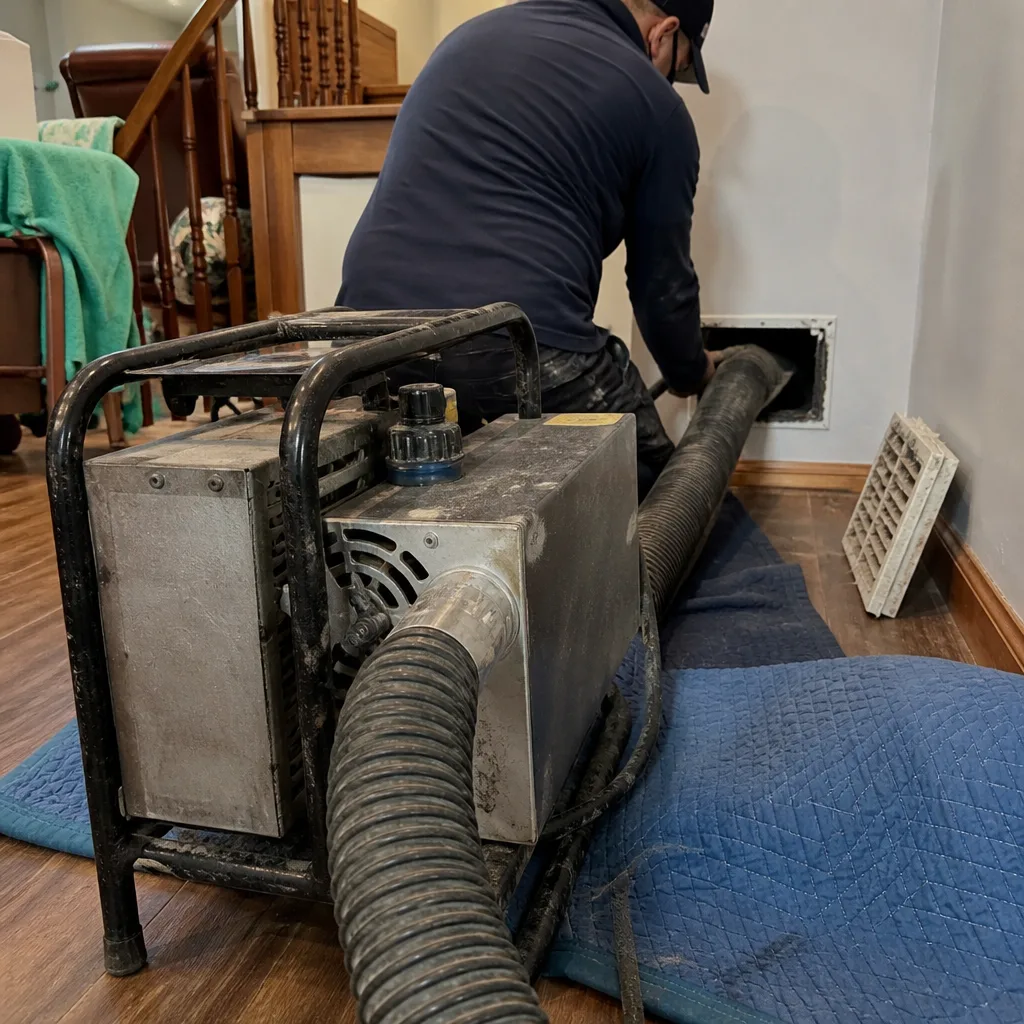 Before
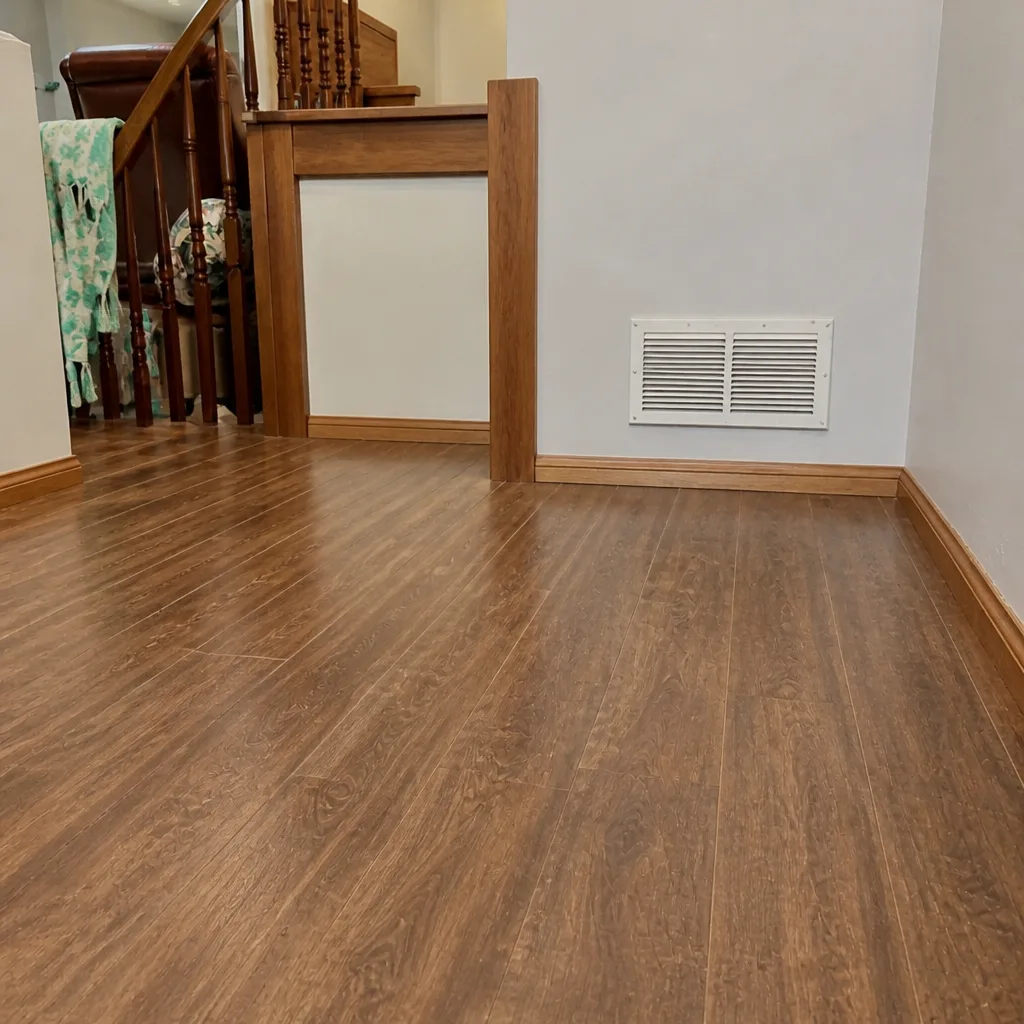 After
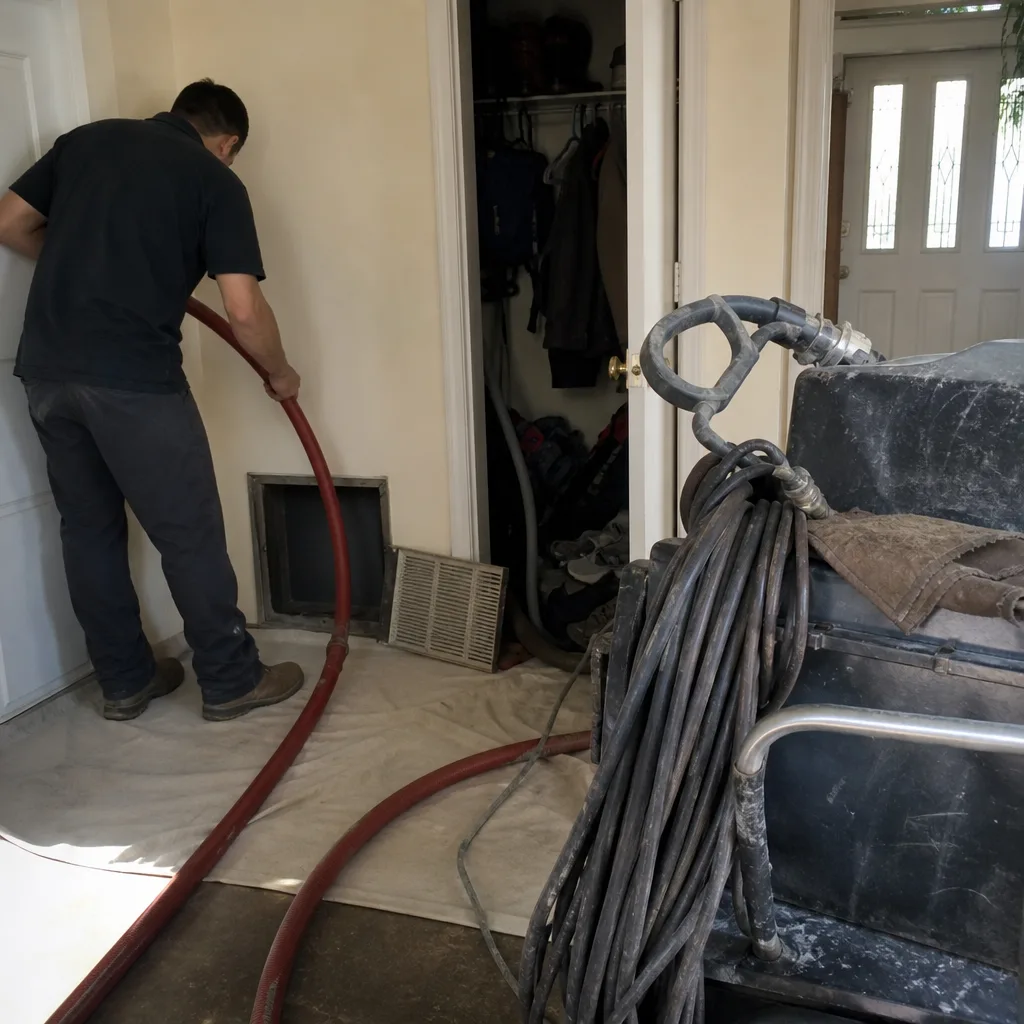 Before
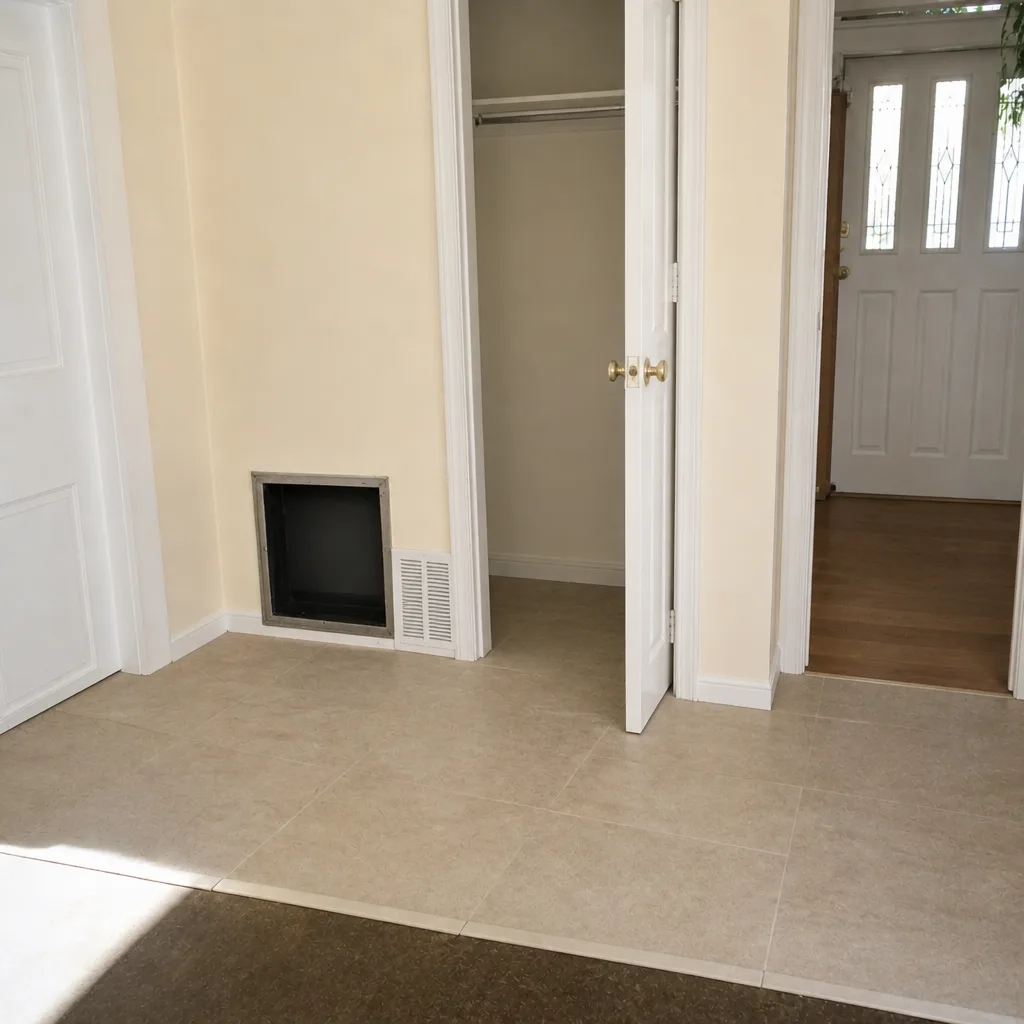 After
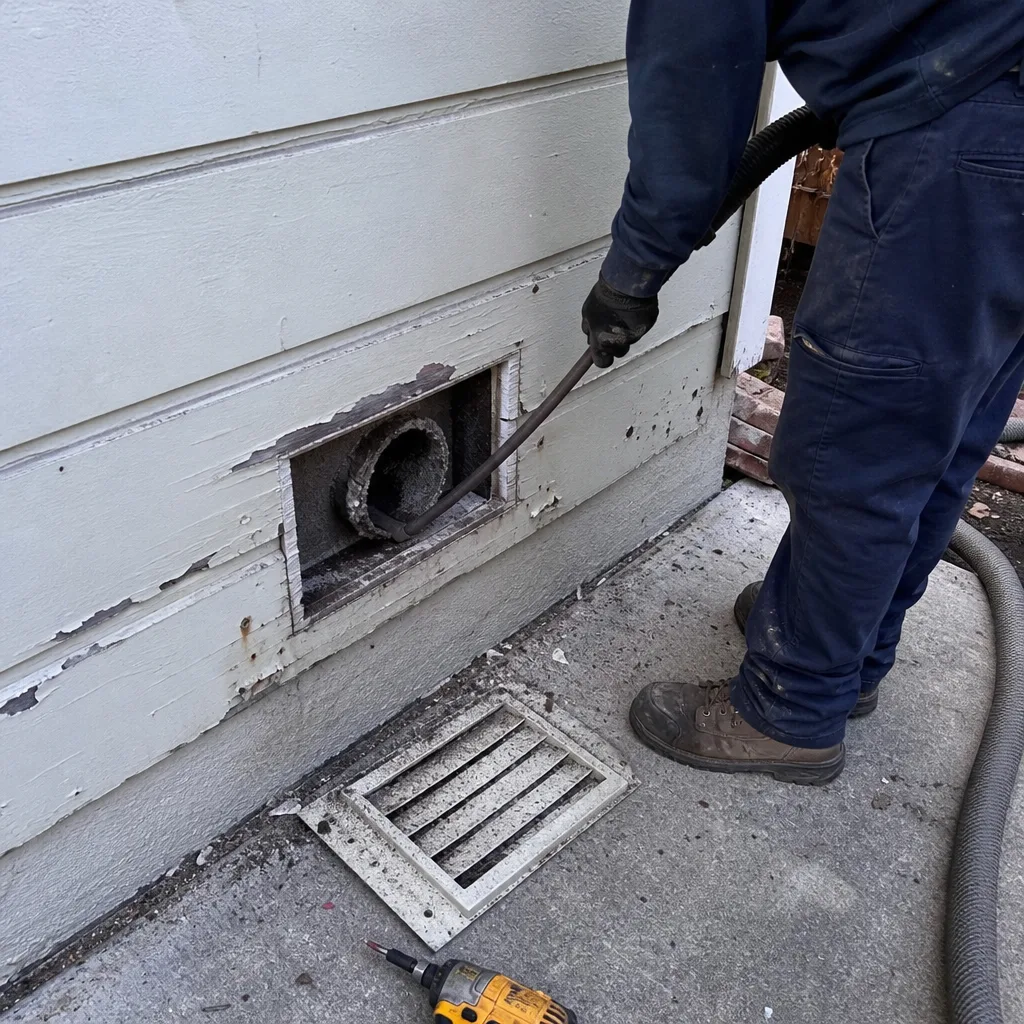 Before
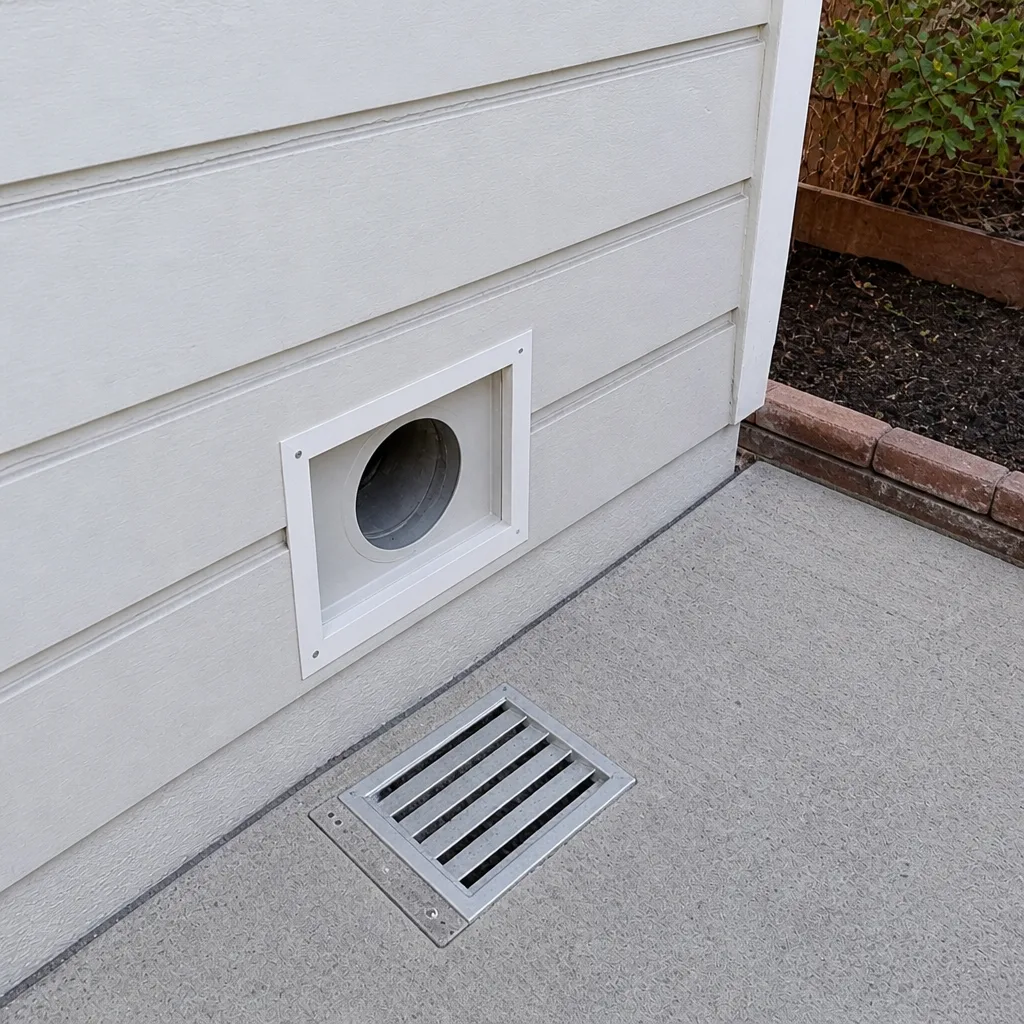 After
When to Call a Professional
Not every duct system needs cleaning. But there are signs that it’s time to have someone look. Visible dust blowing from registers when the system kicks on, dust settling on surfaces faster than usual, recent renovation work, a new-to-you home whose duct history is unknown, persistent allergy symptoms inside the house, or a dryer that’s taking noticeably longer to dry a load – all of these are worth a professional inspection rather than a wait-and-see approach.
If you’re in Concord and any of these sound familiar, a walkthrough with someone who can identify what equipment your duct type needs is the next step. Look for a company that inspects before quoting and can show before-and-after photos. Benchmark Air Duct Cleaning offers free estimates in Concord – call (855) 970-7954. We answer 24/7. Fast dispatch from 7am to 7pm, Sunday through Friday.
Don’t wait for a visible problem to escalate. A quick inspection tells you whether the ducts need cleaning, repair, or nothing at all.
Frequently Asked Questions
A professional contractor should own a contact-cleaning system such as Rotobrush plus HEPA extraction and negative-pressure containment from a manufacturer like Nikro or Abatement Technologies. The contact system is the critical piece – it’s what cleans the duct wall rather than just agitating debris – and the containment equipment is what keeps the loosened material from returning to the room. Ask specifically what they own, not what they have access to, and ask for before-and-after photos.
The equipment is the part of the business you can actually verify, and it determines what happens inside your ducts. A company name and a review count tell you how many customers were satisfied, not what process satisfied them. Knowing that a contractor runs contact cleaning plus HEPA containment tells you how the work will proceed, whether they’ll protect the air quality in the home, and what level of contamination they’re equipped to handle.
No. Duct cleaning removes dust, debris and loose material from the ductwork. Mold remediation is a different, specialized service and requires its own scope. A contractor who offers cleaning should be honest about that boundary and refer remediation work to a specialist. What good equipment does provide is stronger containment on the cleaning job, which reduces the chance of spreading material during the cleaning itself.
Dryer vent cleaning is a safety service, first and foremost. Lint that accumulates in the vent run is a fire risk, and it also degrades dryer performance. If you can’t remember the last time it was done, have it inspected alongside your duct cleaning. It’s worth asking about as part of the same visit.
Ask for before-and-after photos of your own duct interior. When a contractor runs contact cleaning, the duct surface is visibly changed, and that change is documentable. A company that inspects before quoting and provides the photographic record is holding itself to a standard you can check. If they can’t provide it, ask why – it’s a fair question.
Price alone won’t tell you whether the process is sound. A very low quote often reflects a lower equipment investment – blower and vacuum rather than contact cleaning and containment. Before comparing cost, ask what systems are being brought into your home and what the technician’s process looks like for your duct type. Call (855) 970-7954 for a free estimate and a straight conversation about which equipment your ducts need. We answer 24/7. Fast dispatch from 7am to 7pm, Sunday through Friday.
The Bottom Line
The right duct cleaning brand isn’t really a company name – it’s the equipment that shows up and the process that determines how it’s used. Contact cleaning from Rotobrush scrubs and collects simultaneously. Nikro and Abatement Technologies bring contamination-level containment and HEPA filtration. Honeywell and Aprilaire extend the knowledge to filtration and air quality. Look for a Concord contractor who owns this equipment, can match it to your duct type, and can show you before and after photos of your own system. Everything else – the logo, the review count, the price – comes second to whether the process is sound.
Ready to find out what your ducts actually need? Call (855) 970-7954 for a free estimate in Concord.
Written by the team at Benchmark Air Duct Cleaning.