
Last updated November 16, 2026
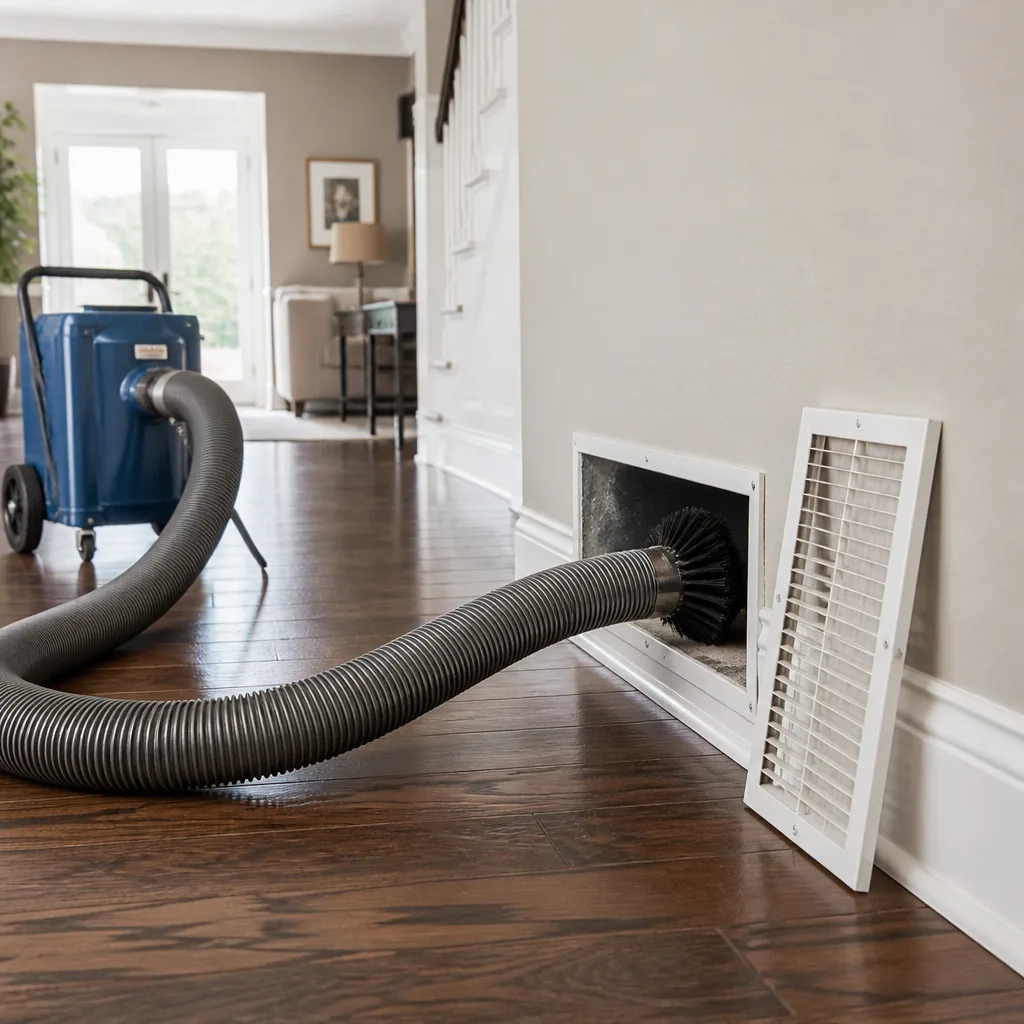 Whole-home duct cleaning
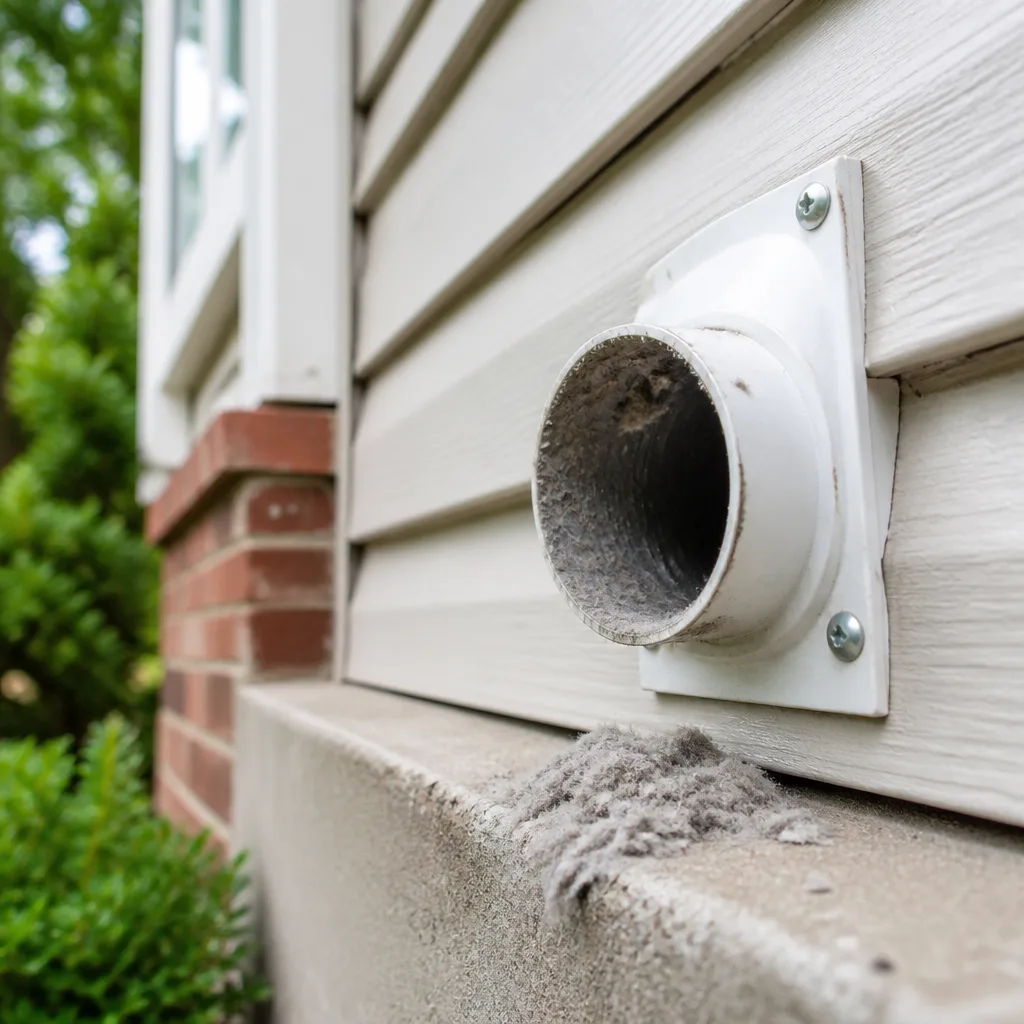 Dryer vent cleaning
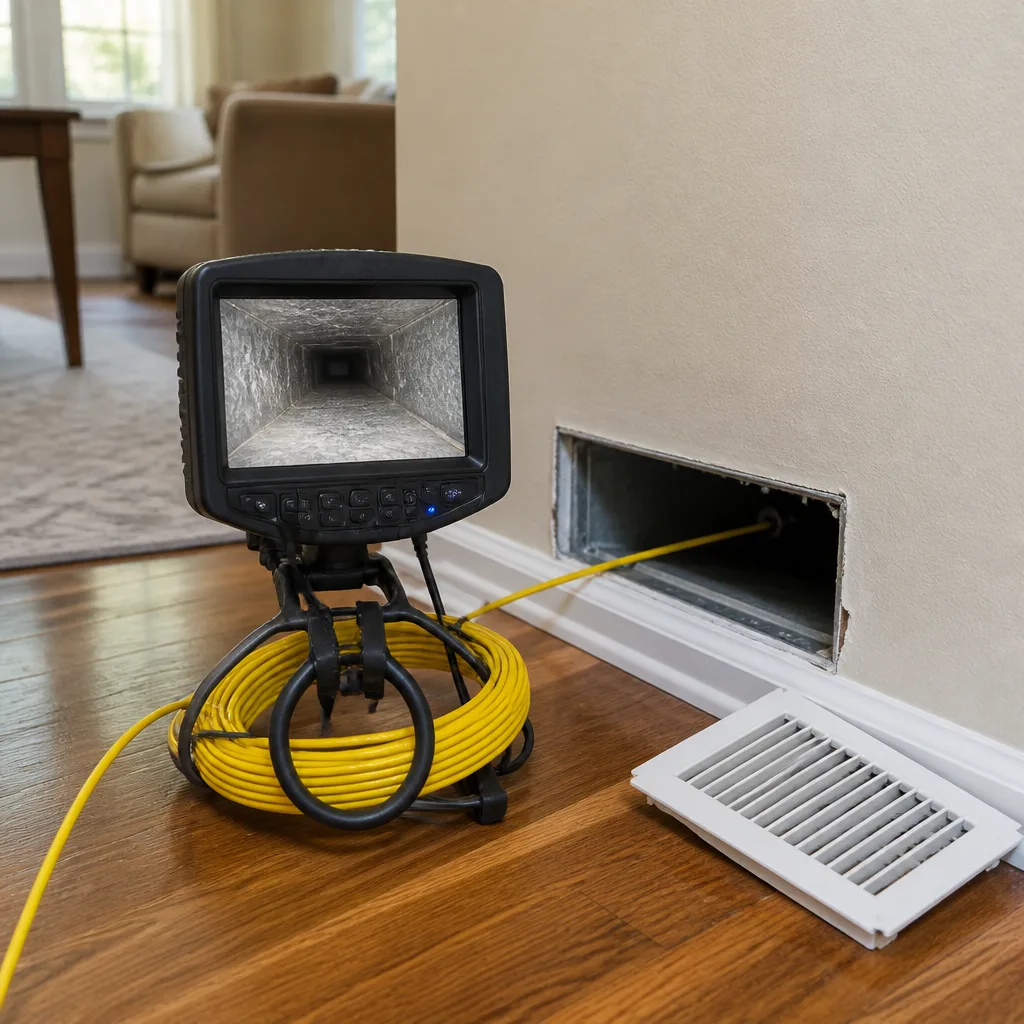 Camera inspection
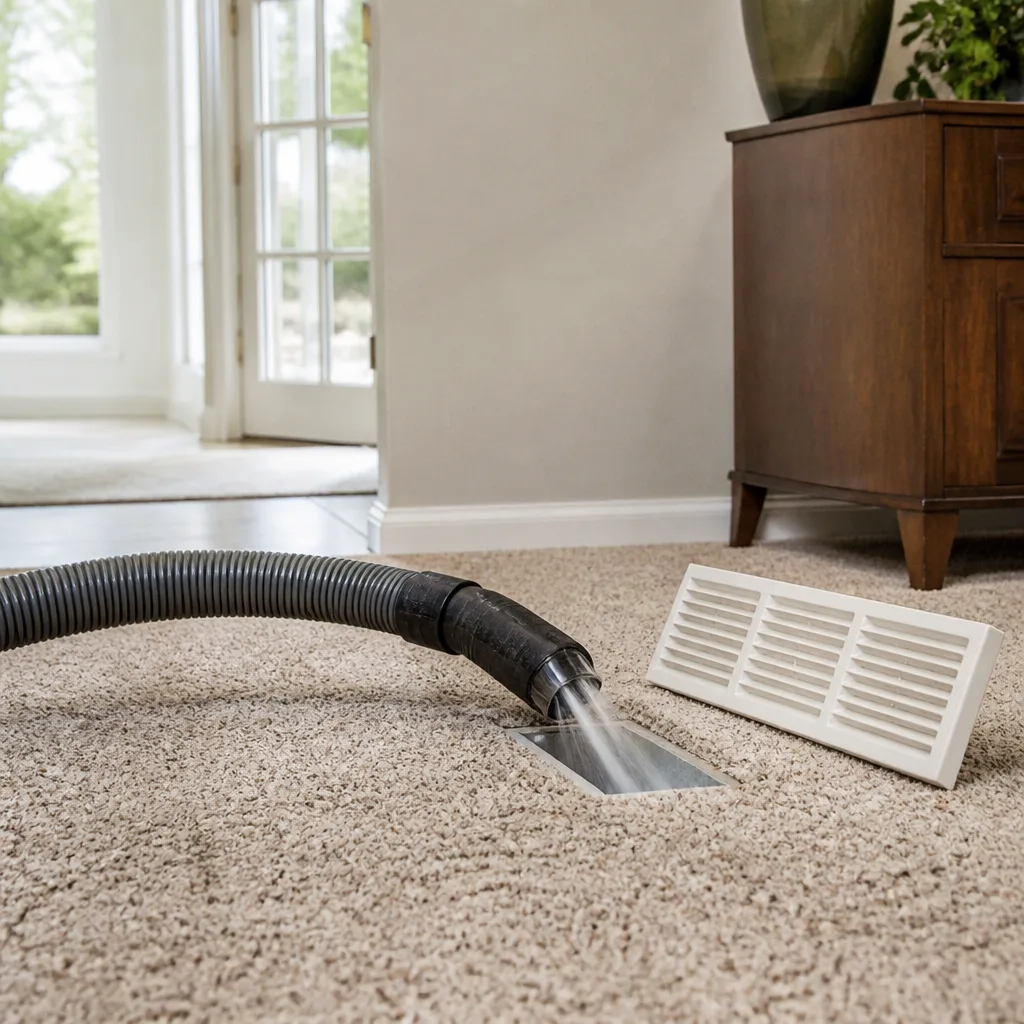 Sanitizing & deodorizing
Whole-system duct and dryer vent check with before-and-after photos - you see exactly what came out of your vents
That "$99 whole-house special" is a bait ad - the real number appears once they are in your hallway, or the "clean" is a shop-vac at the register. We photograph the inside of your ducts before and after instead.
The Complete Guide to Air Duct Cleaning in Concord
Most Concord homeowners don’t have a dirty duct problem. They have a dirty duct cleaning industry problem. Two companies can advertise the same service, quote within a few dollars of each other, and produce results that have almost nothing in common. One runs a vacuum through the vents and calls it done. The other performs a documented, equipment-driven process you can verify with your own eyes before and after. The difference rarely shows up on a coupon or a website. It shows up in what gets removed from the system, and in what the technician can prove afterward. This guide maps the entire process for Concord homes, from inspection through post-clean verification, so you can tell the difference before anyone touches your ductwork.
Quick Answer
Air duct cleaning in Concord typically costs a few hundred dollars for a standard whole-house system, and the price should be set by a written estimate after an inspection, not a flat teaser rate. A legitimate job uses contact cleaning (agitation of the duct walls) combined with HEPA extraction, includes before-and-after documentation, and takes a few hours depending on system size and duct material. Anything quoted before the technician has looked at your system is a guess at best.
Styles & brands we work with
- Whole-home duct cleaning
- Dryer vent cleaning
- Camera inspection
- Sanitizing & deodorizing
Table of Contents
- Why Concord’s Climate Creates Specific Duct Contamination
- Contact Cleaning vs. Blower-Only “Cleaning”: The Mechanical Difference
- What a Legitimate Pre-Clean Inspection Documents
- The Full Cleaning Process, Step by Step
- Post-Clean Verification: What a Professional Shows You
- How HVAC Age and Duct Material Affect Method and Price
- How Much Does Air Duct Cleaning Cost in Concord?
- When Cleaning Isn’t Enough: Duct Repair and Filtration
Why Concord’s Climate Creates Specific Duct Contamination
Concord sits in a climate that swings hard between seasons, and your ductwork feels every bit of it. Summers here run hot and dry, months of low humidity that dry out dust and turn it into a fine, mobile powder. That powder travels easily through return air and settles on duct walls, where it stays until something agitates it. Then winter arrives wet, with stretches of rain that raise indoor humidity and let that same dust cling and congeal rather than blow through. The two seasons don’t produce the same debris, and a cleaning method built for one won’t necessarily handle the other.
Then there’s smoke season. Wildfire smoke has become a recurring presence across the East Bay and Contra Costa County, and it changes the character of what accumulates inside a home’s ducts. Fine particulate from smoke doesn’t just pass through; it coats the interior surfaces of the system and loads up the filter faster than ordinary household dust. Homes in the Ygnacio Valley and around Concord’s older neighborhoods often carry layers of this seasonal material that a casual cleaning never touches.
What that means in practice:
- Dry-season dust is light and airborne. It requires controlled negative pressure so it’s captured, not scattered.
- Wet-season buildup adheres to duct walls. It needs mechanical agitation to break the bond before extraction can pull it out.
- Smoke-season particulate coats surfaces and loads filters. It rewards a cleaning that reaches the walls, not just the airflow path.
In our experience, a Concord system that’s gone several years without service rarely has one kind of contamination. It has layers of all three, and that’s why the method matters more than the price tag.
Contact Cleaning vs. Blower-Only “Cleaning”: The Mechanical Difference
Here’s the part most homeowners never hear. A blower alone doesn’t clean a duct. It moves air. If a company hooks up a vacuum and turns on a blower without ever contacting the duct walls, they can loosen dust, push it around, and leave the bulk of it right where it was, re-deposited a few feet downstream. The system sounds cleaner because air is moving. It isn’t cleaner in any way you could measure.
Contact cleaning works on a different principle. A rotating brush or air whip physically travels the length of each duct run, agitating the walls and breaking debris loose from the surface it’s stuck to. Only then does extraction pull that material out of the system under negative pressure. The two steps are inseparable: agitation without extraction just redistributes debris, and extraction without agitation leaves the adhered layer behind. Both have to happen, in that order, with the right equipment.
This is the difference between the tools we use and what a discount outfit typically brings. Our technicians work with Rotobrush contact-cleaning systems that agitate the full interior surface of each run, paired with Nikro HEPA-extraction equipment that captures what the brush releases. We also use Abatement Technologies air-quality equipment, which is remediation-grade gear built for jobs where airborne contamination has to be controlled, not just moved. That’s professional-grade equipment, not a shop vac and a blower.
For a Concord homeowner, this distinction is the single most useful thing to understand. Ask any company you’re considering one question: do you contact-clean the duct walls, or do you run a blower? If the answer is vague, you have your answer. For a closer look at how we handle this in town, see our air duct cleaning service page.
What a Legitimate Pre-Clean Inspection Documents
We inspect before we quote. That’s not a slogan; it’s the step that separates a real estimate from a guess. A proper inspection happens on site, before any equipment is set up, and it produces a record you keep. When a company skips this and quotes from a phone call, they’re pricing a system they’ve never seen, and the number you get is designed to get them in the door, not to reflect your actual ductwork.
Here’s what a thorough inspection should cover and document:
- System layout and run count. How many supply and return runs, where they branch, and whether any are inaccessible or unusually long.
- Duct material in each area. Flex, sheet metal, and fiberglass-lined duct each require a different approach, and a good inspector notes which is where.
- Visible contamination level. Photographs inside the ducts, not just a glance through a register.
- Filter condition and type. What’s installed now, how loaded it is, and whether it matches the system’s needs.
- Blower and air-handler condition. Buildup on the blower wheel and coil affects both airflow and what the ducts are circulating.
- Signs of disrepair. Disconnected joints, crushed flex runs, or holes that let attic or crawlspace air into the system.
Concord has a lot of housing stock from different eras, and the older neighborhoods near the downtown core often have duct systems that were modified, extended, or partly replaced over the years. An inspection that records duct material and condition run by run is the only way to quote honestly, because a house with mixed flex and sheet metal doesn’t cost the same to clean as a uniform system. If you want the full picture of how we work a Concord home, start with Benchmark Air Duct Cleaning.
The Full Cleaning Process, Step by Step
A real whole-system cleaning follows a sequence, and the sequence matters as much as the equipment. Here’s how a professional job runs from the moment the technician arrives.
- Confirm the scope from the inspection. The written estimate should match what’s actually being cleaned: which runs, which returns, and any problem areas flagged.
- Protect the living space. Floor coverings and drop cloths go down, and registers are removed so each run can be reached directly.
- Establish negative pressure. A HEPA extraction unit connects to the system and pulls the whole duct network into negative pressure, so released debris travels toward the vacuum, not into the room.
- Contact-clean each run. Rotobrush agitation travels the length of every supply and return, breaking debris free from the walls.
- Extract. The Nikro HEPA extraction pulls the loosened material out and captures fine particulate at the filter.
- Clean the air handler and blower compartment. Ducts feed into this area, and skipping it leaves contamination right at the source.
- Reinstall and check airflow. Registers go back, filters are seated, and the system is run to confirm everything’s reassembled correctly.
- Document the result. Before-and-after evidence is captured for the homeowner, run by run.
The whole thing takes a few hours for a typical Concord home, longer for larger systems or heavier contamination. If you’re also concerned about the air leaving your dryer, that’s a separate safety job and worth doing on its own. Our dryer vent cleaning addresses fire risk directly, not as an add-on.
Post-Clean Verification: What a Professional Shows You
A receipt and a handshake aren’t proof. When the job’s done, you should be able to verify with your own eyes that the work happened and that it changed something. This is the benchmark in our name, and it’s the standard any legitimate company should be willing to meet. Here’s what you should expect to see before the technician leaves.
- Before-and-after camera footage of your own ducts. The same run, shot from the same angle, before and after. Not stock photos of someone else’s system. Yours.
- Filter condition. If the filter was loaded before and is clean and correctly seated after, that tells you the system is set up right.
- Airflow and static pressure readings. Static pressure measured across the system shows whether the ducts are moving air the way they should. A restriction that reverses after cleaning is real evidence.
- Count of runs serviced. Matches the written estimate. If they quoted eight runs and cleaned five, you’ll know.
- A walkthrough. The technician shows you what was found, what was cleaned, and anything that needs attention later.
Before-and-after photos of your own ducts are the single most useful thing to insist on. Any company that contacts-cleans and extracts has nothing to hide showing you the difference. Any company that blows and vacuums will avoid it. That’s the tell.
How HVAC Age and Duct Material Affect Method and Price
Concord homes are all over the map in age and construction, and the ductwork inside them ranges from decades-old sheet metal to newer flex runs, sometimes in the same house. Each material changes both how it gets cleaned and what it costs, and a quote that ignores this is guessing.
Sheet metal is the most forgiving. It takes contact agitation well and cleans thoroughly. If it’s sealed well, it holds up over many cleaning cycles.
Flex duct is common in additions and retrofits and needs a gentler touch. It can’t take aggressive brushing, so the method adjusts to avoid damage, and crushed or sagging runs often need support or replacement to function properly. Flex also has a shorter working life than metal, and a run that’s torn or collapsed won’t clean up no matter how good the equipment is.
Fiberglass-lined duct, found in some older systems, needs the most care. The interior lining can be damaged by the wrong technique, so the approach has to preserve the surface while still removing what’s on it. If the lining is failing, cleaning is only part of the answer and repair may be needed.
Age matters too. An older system in a Concord home often has tired connections, joints that have loosened, and returns that feed from a dusty attic. That’s why material and condition get documented run by run during inspection. Pricing follows the actual work: the number of runs, the duct materials involved, and whether repairs are needed alongside cleaning. A house with mixed materials simply costs more to do right, and a professional estimate reflects that instead of pretending every home is the same.
How Much Does Air Duct Cleaning Cost in Concord?
Most Concord homeowners should expect to pay in the range of a few hundred dollars for a standard whole-house cleaning, with the exact figure set by a written estimate after inspection. That’s a deliberately honest answer, because a flat price quoted before anyone looks at your system tells you nothing reliable. A larger home with more runs, a house with mixed duct materials, or a system carrying heavy contamination costs more to clean properly than a simple one does. The written estimate sets the final price, and it should be the same number on the invoice.
What sits behind that range:
- Number of supply and return runs. More runs means more time with the agitation and extraction equipment in each one.
- Duct material mix. Fiberglass-lined and flex systems take more care per run than sheet metal.
- Contamination level. Heavy buildup from smoke season or years without service takes longer to fully remove.
- Air handler and blower cleaning. Whether the compartment is included in the scope.
- Repairs alongside cleaning. Disconnected or crushed runs that need fixing before or during the job.
If a quote sounds dramatically cheaper than every other one you’ve gathered, ask what’s included. Often the low number is a teaser that grows on site once “extras” are discovered, or it’s a blower-only job dressed up as a cleaning. The written estimate should name every run and every service included, and the price shouldn’t move once the work starts. When you’re comparing options across the East Bay, our Concord page lays out how we serve the area.
When Cleaning Isn’t Enough: Duct Repair and Filtration
Sometimes the inspection turns up a problem cleaning can’t solve. A duct that’s disconnected at a joint, a flex run that’s crushed or torn, or fiberglass lining that’s degrading all mean the system is losing air or feeding contamination back into the house no matter how clean it gets. Cleaning a broken duct is a temporary fix. The repair has to happen for the cleaning to hold.
That’s why we offer air duct repair alongside cleaning, so a Concord homeowner doesn’t have to call a second contractor and coordinate a separate visit. It’s one call for cleaning, repair, and filtration. The inspection identifies what’s compromised, the repair restores the system, and the cleaning makes it count.
Filtration ties into this too. Many Concord homes run on Honeywell or Aprilaire filtration and air-quality systems, and cleaning the ducts while leaving the filter system mismatched or poorly maintained undercuts the whole effort. Our technicians are qualified to work on Honeywell and Aprilaire systems, so the filtration side gets handled as part of the same job rather than ignored. And for the protection side of the equation, Guardsman products fit into the maintenance picture when sealing or protecting ductwork surfaces is needed.
If you’re managing a property and want the full system addressed in one visit, that single-call approach is the point. Cleaning, repair, and filtration under one company means one estimate, one invoice, and one standard to hold.
Common Mistakes to Avoid
- Booking on the coupon price alone. A teaser rate almost always grows once the technician is on site. Ask for a written estimate after inspection instead, even if it means a slightly longer booking process.
- Accepting a blower-only job as a cleaning. If no equipment contacts the duct walls, debris gets redistributed, not removed. Ask directly whether contact cleaning is part of the scope.
- Skipping the inspection. A quote given before anyone looks at your Concord system is a guess. Insist on an on-site inspection that documents runs and materials.
- Not asking for before-and-after evidence. If a company can’t show you your own ductwork, before and after, you have no way to know the work happened.
- Ignoring the filter system. Cleaning ducts while leaving a loaded or mismatched Honeywell or Aprilaire filter in place undoes much of the effort.
- Treating the dryer vent as an afterthought. It’s a fire-risk item, not a maintenance upsell, and it should be serviced on its own schedule.
- Cleaning a system that’s actually broken. A disconnected or crushed duct needs repair first. Cleaning alone won’t fix airflow that’s leaking out of the system.
See the difference
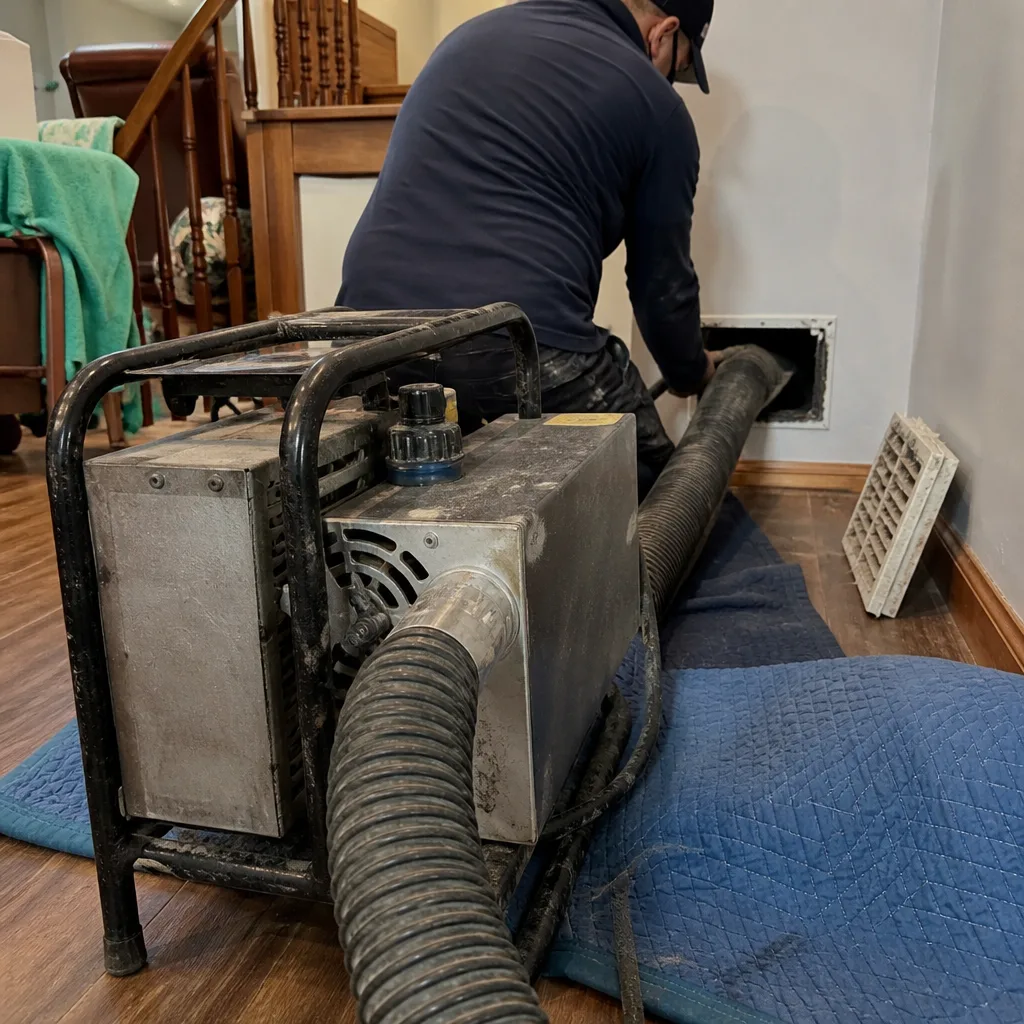 Before
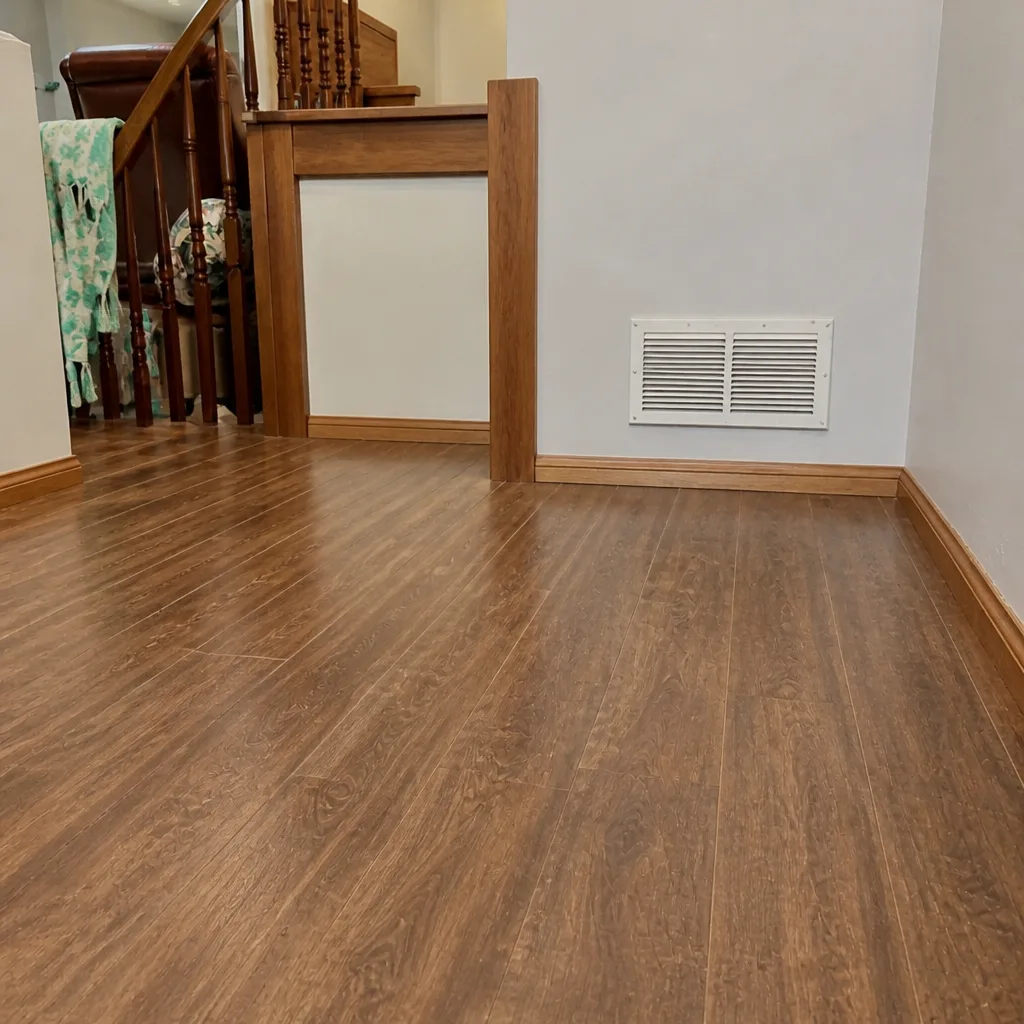 After
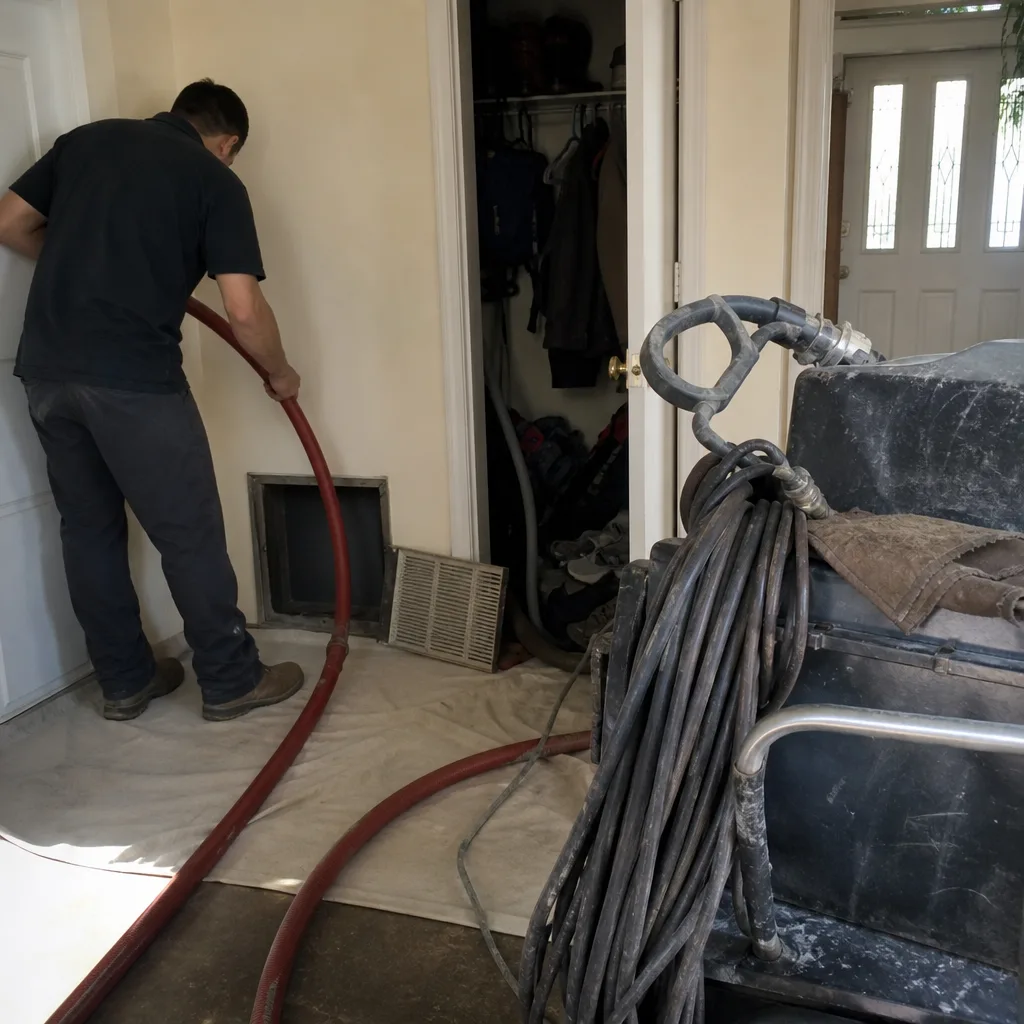 Before
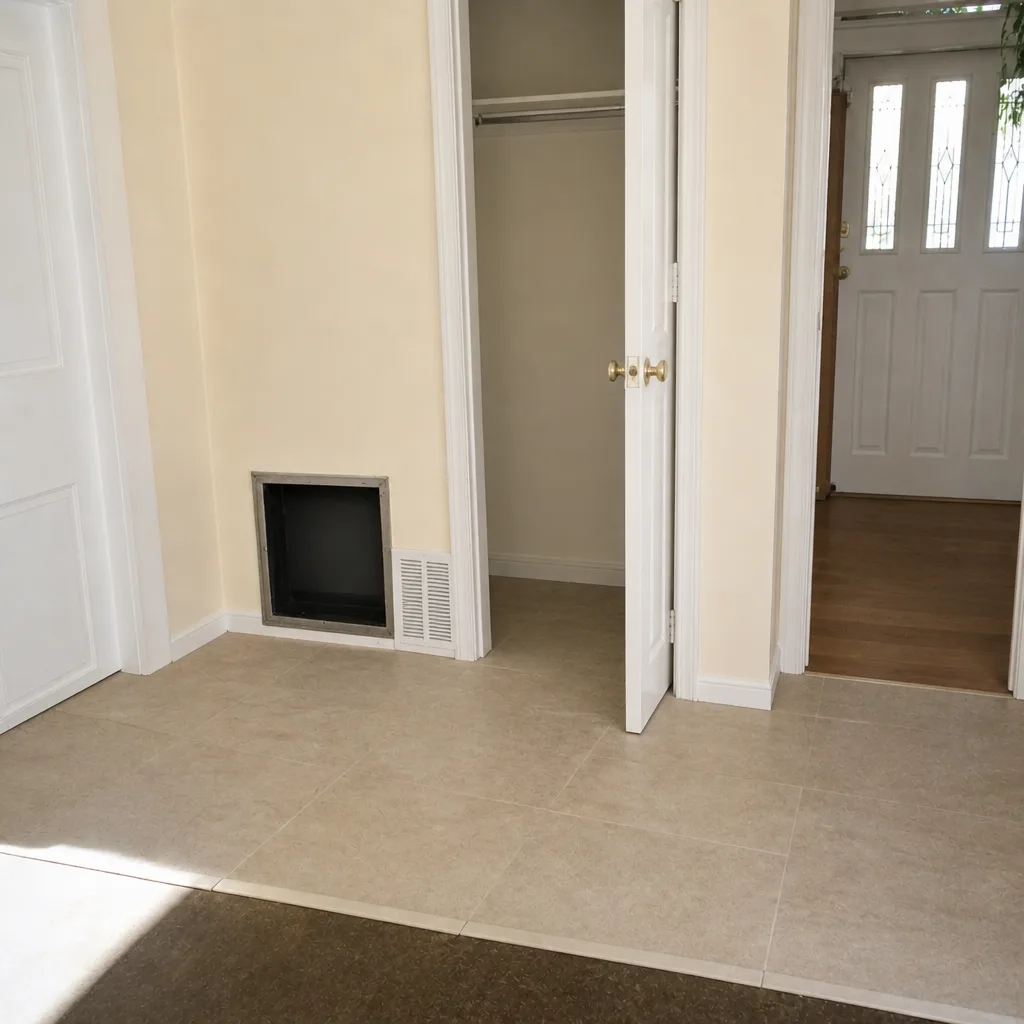 After
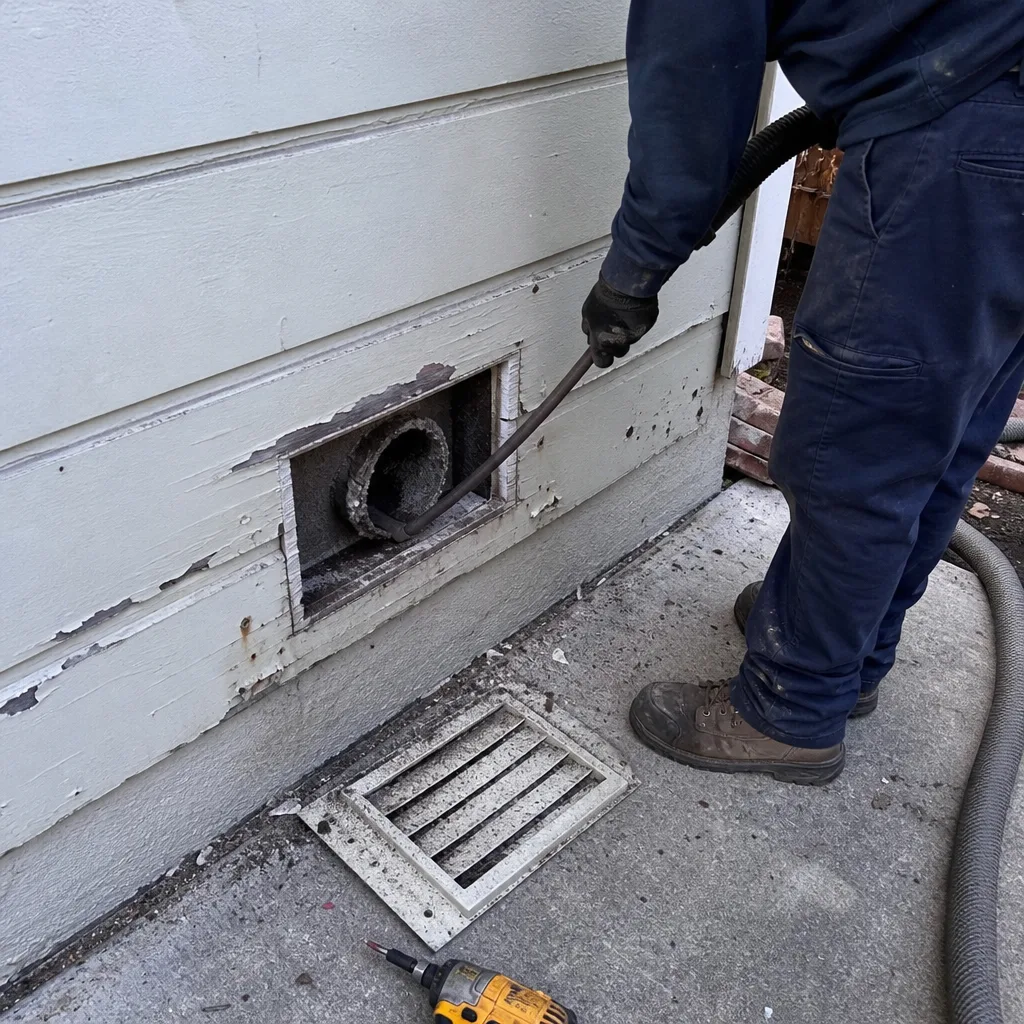 Before
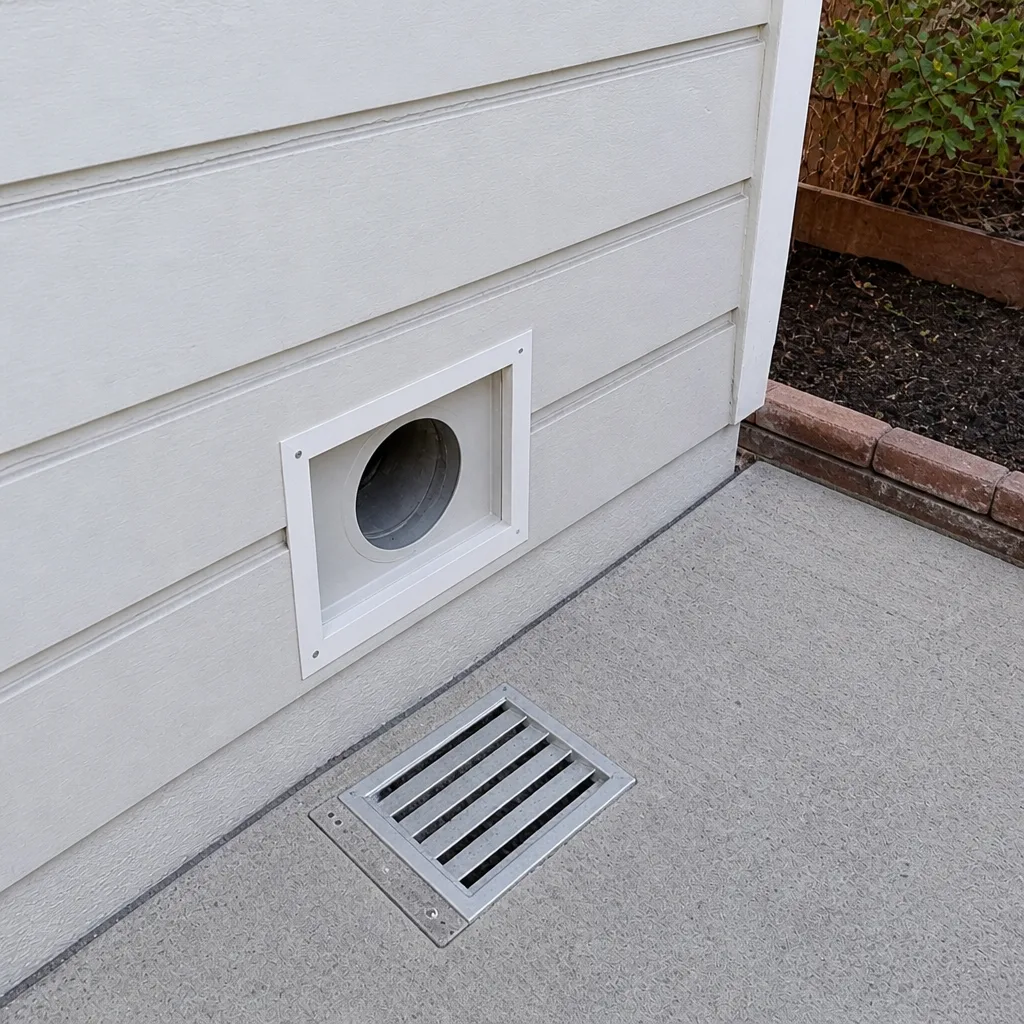 After
When to Call a Professional
Some situations call for a professional visit rather than waiting. If your home has gone several years without duct service, if you’ve lived through a smoke season with the windows open more than you’d like, or if family members with allergies are noticing more symptoms indoors, it’s worth an inspection. Visible dust blowing from registers, uneven airflow between rooms, or a filter that loads up faster than it used to all point to a system that needs attention. If you’ve bought a Concord home recently and don’t know the duct history, an inspection gives you a baseline. Benchmark Air Duct Cleaning offers free estimates in Concord. Call (855) 970-7954 to book one.
Frequently Asked Questions
Most Concord homes fall in the range of a few hundred dollars for a standard whole-house cleaning, with the final figure set by a written estimate after inspection. Larger systems, mixed duct materials, and heavy contamination push the number higher. Call (855) 970-7954. We answer 24/7. Fast dispatch from 7am to 7pm, Sunday through Friday, and estimates are free.
Cheap quotes usually reflect a cheaper method: a blower and a vacuum rather than contact cleaning plus HEPA extraction, or a teaser rate that grows on site. The equipment isn’t equivalent, so the result isn’t either. Ask what’s included before you compare prices. Call (855) 970-7954 for a written estimate that names every run.
You should see before-and-after camera footage of your own ducts, filter condition, and airflow or static pressure readings before the technician leaves. That documentation is the benchmark our name refers to, and any legitimate company should provide it. Call (855) 970-7954 to schedule.
There’s no universal schedule, but a system with heavy smoke-season exposure or a home with allergy sufferers typically benefits from more frequent service than a lightly used one. An inspection tells you what your specific system needs. Call (855) 970-7954 for an assessment.
Often, yes, if the cause is contamination or a loaded filter. But if the inspection finds crushed or disconnected duct, the repair has to come first; cleaning a broken system won’t restore airflow. We handle both under one call. Call (855) 970-7954.
Yes. Dryer vent cleaning is a safety service we offer separately, and it reduces fire risk rather than serving as a maintenance add-on. If you’re having the ducts done, it’s worth scheduling on its own line. Call (855) 970-7954 to book.
The Bottom Line
The gap between a cheap duct cleaning and a real one comes down to equipment, documentation, and whether anyone inspects your system before they quote it. Contact cleaning with HEPA extraction removes what a blower merely moves. Before-and-after evidence of your own ducts is the proof. In Concord, a climate that swings from dry summers to wet winters to smoke season loads ductwork with layered contamination that a shortcut can’t handle. Our technicians have up to experience, and we inspect before we quote, clean with professional-grade Rotobrush and Nikro equipment, and repair what needs repairing so the clean holds. One call for cleaning, repair, and filtration.
Ready for an honest assessment of your Concord home’s ductwork? Call Benchmark Air Duct Cleaning at (855) 970-7954 for a free estimate. We answer 24/7. Fast dispatch from 7am to 7pm, Sunday through Friday.
Written by the team at Benchmark Air Duct Cleaning.