
Last updated November 16, 2026
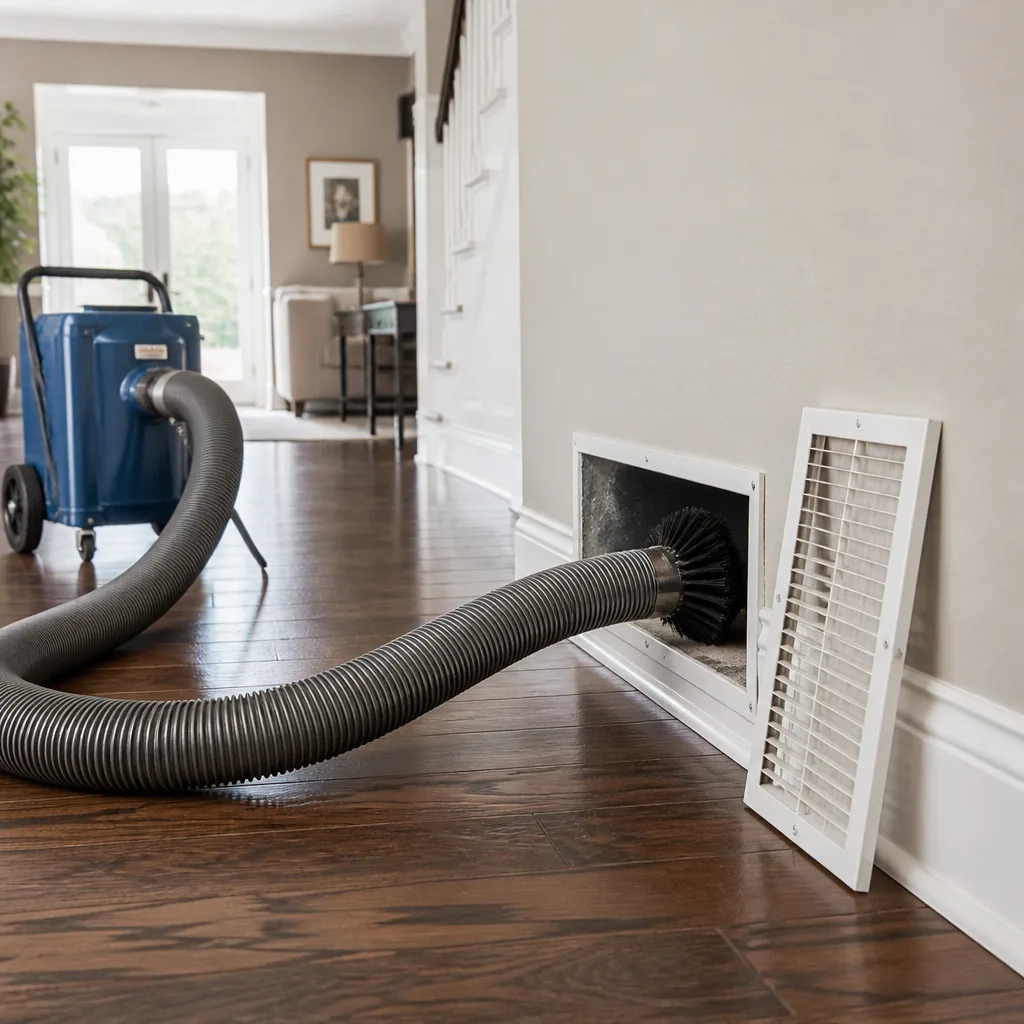 Whole-home duct cleaning
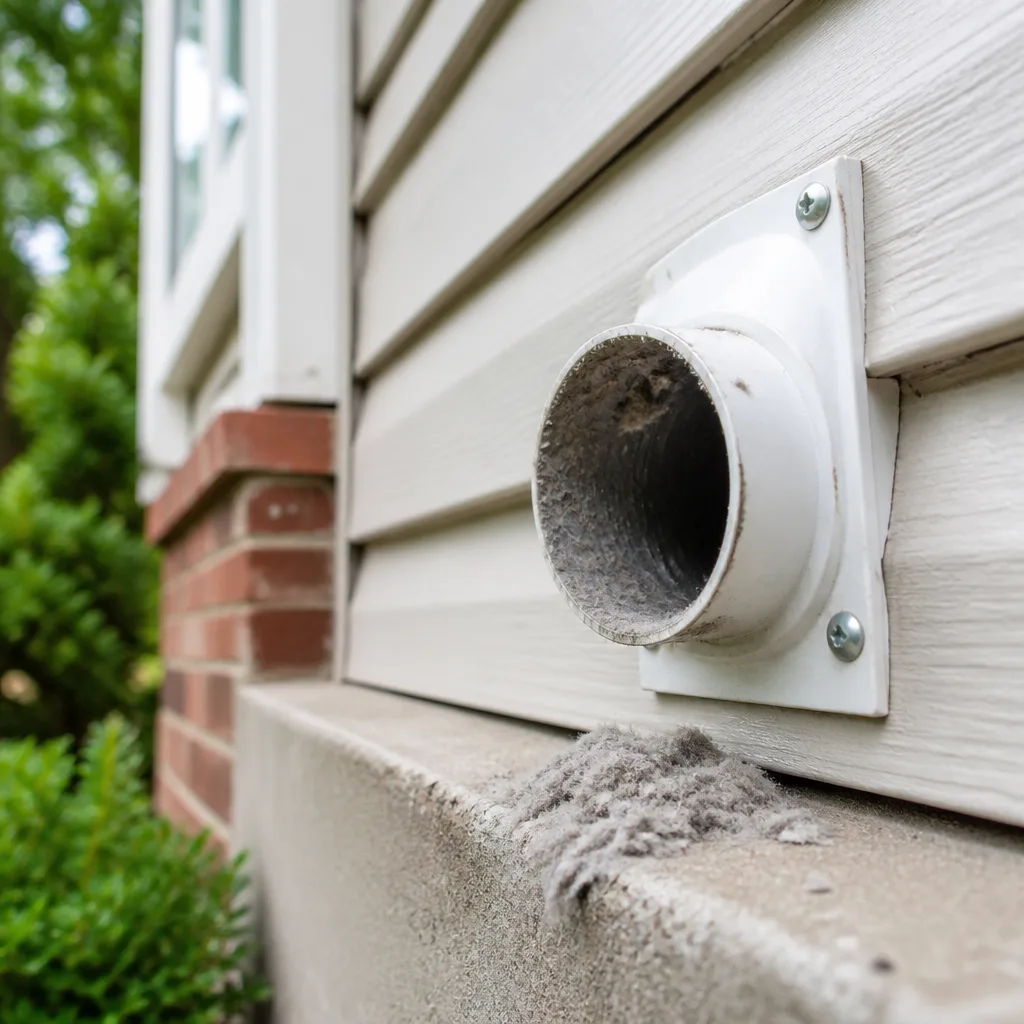 Dryer vent cleaning
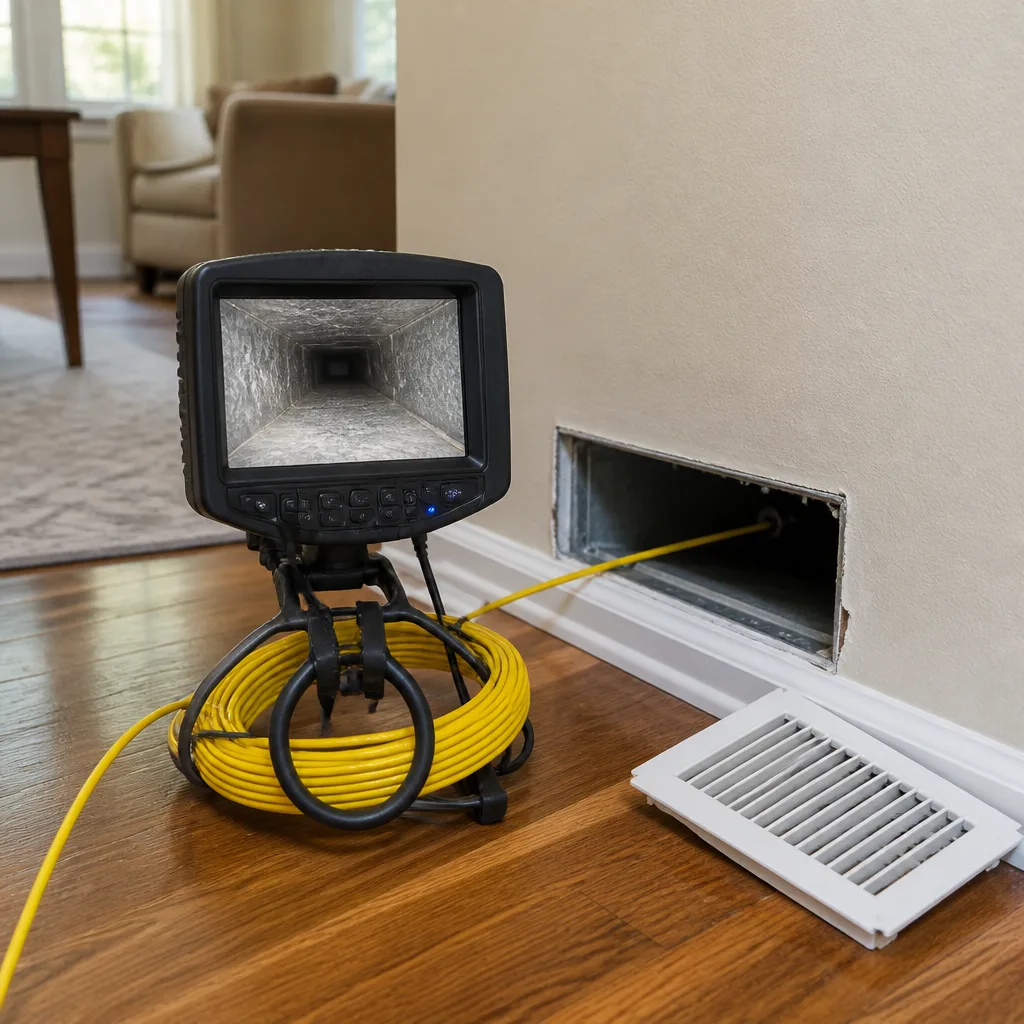 Camera inspection
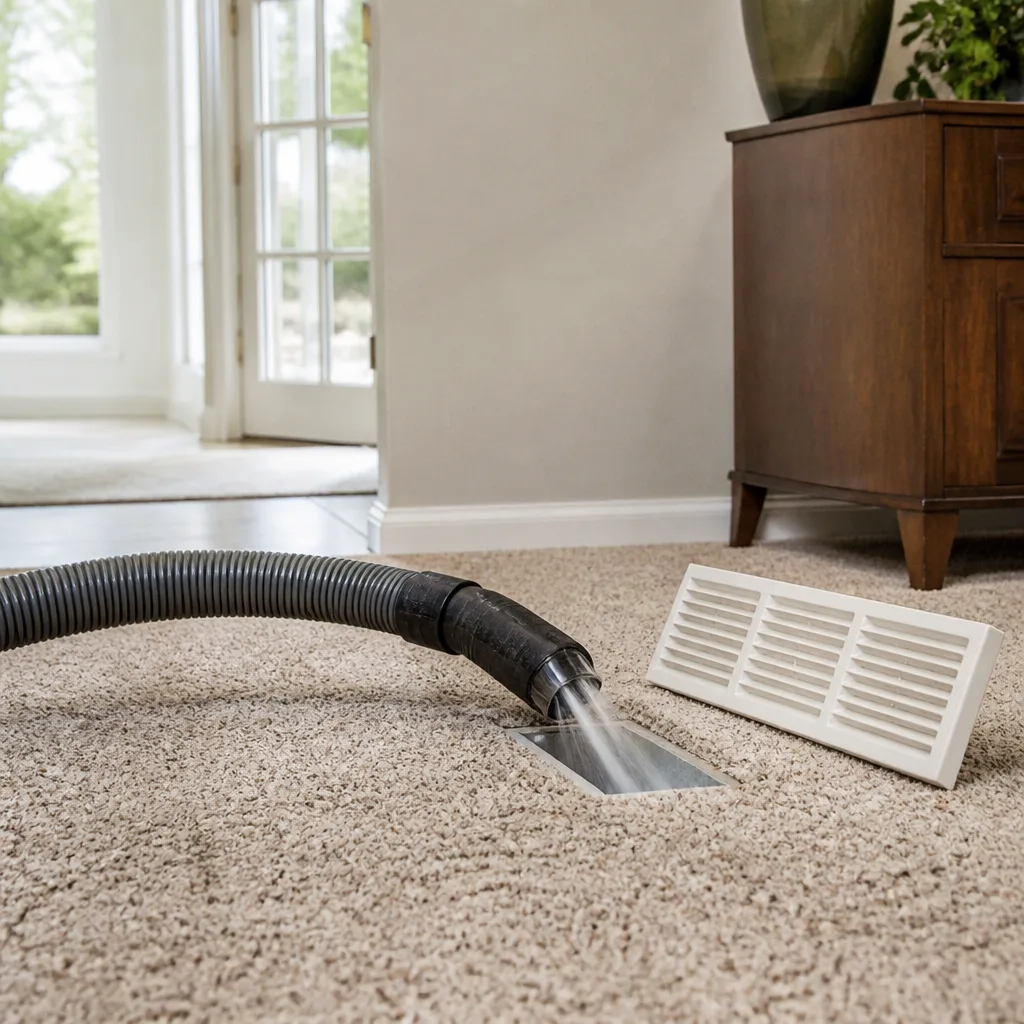 Sanitizing & deodorizing
Whole-system duct and dryer vent check with before-and-after photos - you see exactly what came out of your vents
That "$99 whole-house special" is a bait ad - the real number appears once they are in your hallway, or the "clean" is a shop-vac at the register. We photograph the inside of your ducts before and after instead.
Air Duct Cleaning Maintenance Schedule: What to Do and When
The three-to-five-year duct cleaning interval that gets quoted everywhere traces back to a research observation, not a maintenance prescription. Someone studied typical homes, saw a rough cleaning cycle emerge, and the number hardened into a rule. But a household with two shedding dogs, a recent kitchen remodel, and a MERV-6 filter has almost nothing in common with a pet-free, low-occupancy house running MERV-13. Both get told “every three to five years.” The schedule that actually fits your Concord home is built from variables, and this guide walks through them: baseline intervals, the factors that shorten them, the between-cleaning tasks that keep an interval honest, and the airflow signals that tell you the next cleaning is close before you ever see debris in a register.
Quick Answer
There’s no single correct duct cleaning interval. A pet-free Concord home with no recent renovation and a well-fitted MERV-11 to MERV-13 filter can often go five to seven years between cleanings, while a home with two or more pets, a smoker, a recent remodel, or a low-grade filter may need attention every two to three years. Use a baseline of five years and subtract from it for each compounding factor in your household.
Styles & brands we work with
- Whole-home duct cleaning
- Dryer vent cleaning
- Camera inspection
- Sanitizing & deodorizing
Table of Contents
- The Baseline Interval and Why It’s a Starting Point, Not a Rule
- The Four Variables That Shorten Your Interval
- Between-Cleaning Maintenance That Extends Your Interval
- Concord Triggers That Should Prompt an Inspection
- Using Airflow at Registers as Your Leading Indicator
- What a Post-Cleaning Inspection Report Should Document
- Common Mistakes to Avoid
- When to Call a Professional
The Baseline Interval and Why It’s a Starting Point, Not a Rule
Start with five years for a typical single-family home in Concord. That’s the neutral baseline for a household with no pets, no smokers, no recent renovation dust, and an HVAC system running a mid-to-high-efficiency filter that gets changed on schedule. Five years is not a promise. It’s the starting point you adjust downward as you add variables.
Why five rather than three? Duct interiors in well-maintained homes accumulate debris slowly. The airstream itself carries a lot of dust through, and a properly seated filter captures the bulk of what would otherwise settle on duct walls. In our experience, a home that hits every maintenance marker on this list genuinely does not need cleaning every three years, and telling you otherwise sells work you don’t need. That’s the opposite of the benchmark approach we build around: inspect first, then recommend.
Three things push a healthy home to the shorter end of the interval anyway:
- Occupancy. More people means more skin cells, more cooking particulates, more laundry lint, more foot traffic tracked through the return air path.
- HVAC run time. A system that runs hard through long cooling seasons moves more air through the ducts and, in some cases, keeps lighter debris suspended longer. Concord’s inland East Bay summers put real load on the system, and every extra hour of run time cycles air through the same ductwork.
- Duct condition. Disconnected joints, crushed flex runs, and poorly sealed boots let unconditioned air and attic or crawlspace particulates into the system. A compromised duct shortens the interval regardless of how clean your house is. That’s why we handle Benchmark Air Duct Cleaning and repair under the same roof rather than handing ductwork problems off mid-job.
Write your baseline down. Every adjustment below modifies it, and the adjustment is meant to be revisited, not set in stone.
The Four Variables That Shorten Your Interval
Each variable below subtracts time from the five-year baseline. Stack them and the interval collapses fast. A two-dog household with a recent remodel and a MERV-6 filter isn’t on a five-year cycle; that home is realistically looking at two to three years, sometimes sooner.
Variable 1: Pets
Pets are the biggest single accelerant. Dander and shed hair bind to duct walls, and once bound they hold other debris. One cat or dog takes the interval down to roughly four years. Two or more pets, or one heavy-shedding breed, pushes toward three. Homes with indoor pets plus carpet throughout sit closer to the two-to-three year band. A post-cleaning photo comparison matters here because pet debris accumulation is uneven; some runs will look far worse than others depending on where the return is and how the system is balanced.
Variable 2: Smoking Indoors
Indoor smoking leaves a sticky residue on duct surfaces that captures and holds particulate matter. A household with an indoor smoker should treat the interval as roughly half the baseline, or about two to two and a half years. Cleaning regularly removes the tar-laden film before it becomes a permanent layer that no contact cleaning strips completely.
Variable 3: Filter Grade (MERV-6 vs. MERV-13)
Filter grade is the variable most people overlook, and it’s one of the most controlling. A MERV-6 filter captures large debris but lets a lot of finer particulate pass through into the airstream. A MERV-11 or MERV-13 filter captures far more before it ever reaches the ducts. Running MERV-6 means more particulate reaches the interiors, so shorten the interval by roughly a year. Running MERV-13 in a properly sized filter slot lets you hold nearer the baseline. Higher MERV isn’t automatically better for every system; if your blower can’t handle the added pressure drop, a filter that fits and gets changed beats a filter that chokes airflow. We work with Honeywell and Aprilaire filtration systems, and matching filter grade to the equipment rather than guessing is part of any honest inspection.
Variable 4: Recent Renovation
Any renovation that generates fine dust (drywall, sanding, demolition, flooring replacement) sends debris into the return system if the HVAC was running or the system wasn’t sealed off. Treat any significant remodel as an automatic one-year deduction, and if the renovation was extensive, schedule an inspection within six months of the dust settling. Duct cleaning shortly after a renovation is one of the few near-universal recommendations in this field. A cleaning two or three years before a remodel doesn’t protect you from post-renovation dust.
Stacking the Variables
Add the deductions, don’t average them. Two pets plus MERV-6 plus a renovation puts a home well inside two years. A no-pet, non-smoking, MERV-13 home with no renovation stays near baseline or beyond. Review your total once a year and adjust if something changed.
Between-Cleaning Maintenance That Extends Your Interval
A cleaning interval only holds up if you do the small things between cleanings. Skip them and the duct interiors load faster than the schedule predicts. These tasks are simple, and none of them require a professional.
- Change the filter on the right cadence. Check the filter monthly and replace or clean it according to the manufacturer’s recommendation for your home’s dust load. A clogged filter bypasses debris around its edges and straight into the ducts, which quietly shortens your interval more than anything else on this list.
- Vacuum the supply and return registers. Pull the grilles and vacuum the visible boot interior with a brush attachment every few months. Register faces collect dust visibly, and regular vacuuming keeps that surface dust from being pulled back into the airstream when the system kicks on.
- Inspect the evaporator coil area on a schedule. Ask your HVAC technician to check the coil at each seasonal service. A dirty coil doesn’t just hurt efficiency; it tells you particulate is getting past the filter, which is a signal your ducts are loading faster than expected.
- Seal obvious gaps. Look for disconnected joints at accessible boots and main trunk connections. A short duct run that’s pulling unfiltered attic or crawlspace air is the fastest way to foul a duct system. This is the kind of problem we catch and fix during air duct cleaning, and it’s better caught early.
- Watch your return-air grille. A return grille that’s visibly dusted within a week of cleaning it is pulling in more particulate than it should. Check the filter fit and the return path before blaming the ducts.
None of these are substitutes for cleaning. They’re what makes the interval between cleanings real instead of optimistic.
Concord Triggers That Should Prompt an Inspection
Some events in and around Concord should pull an inspection forward regardless of where you are on your timeline. Concord sits in the inland East Bay, and the local conditions that affect duct loading are specific enough to plan around.
Construction Along the Willow Pass Corridor
Ongoing construction activity along the Willow Pass corridor and surrounding commercial areas generates fine airborne dust during active phases. Homes near heavy construction should treat an active build as a deduction: schedule an inspection within a few months of peak dust activity, and check your filter more often than usual. That’s not a storm-damage situation; it’s a steady dust load that finds its way into return air over months.
Wildfire Smoke Events
Wildfire smoke is the single biggest local variable most schedules ignore. During a smoke event, homes often close windows and run the HVAC system continuously, pulling outdoor smoke through the return. Fine smoke particulate loads the filter and pushes past a lower-grade one into the ducts. After a significant smoke event that lasted more than a few days, pull the filter, examine it, and if the home ran the system heavily during the event, consider an inspection rather than waiting the full interval. Keep windows and doors closed and run the system on recirculate when smoke is heavy. If you have a filtration setup designed for it, that’s what it’s for.
Seasonal Changeover as an Inspection Prompt
The switch from heating to cooling season, and back, is the natural inspection point. The system has just finished a long run of one mode and is about to start another. Have the filter replaced, the accessible ducts inspected, and the coil checked at the changeover. In Concord these changeovers come with meaningful load swings, and a system that just ran a long cooling season is the right one to look at before heating season.
Flexible Framework, Not a Fixed Calendar
The point of local triggers is that they sit on top of the baseline, they don’t replace it. Renovations, construction, smoke, and changeovers are reasons to inspect; the interval you wrote down is when to clean. When the two disagree, inspect.
Using Airflow at Registers as Your Leading Indicator
You don’t need to see debris to know a cleaning is coming due. Airflow tells you first. Before visible dust accumulates on the register face, the duct system starts resisting air movement, and the registers themselves give it away.
Here’s what to watch for:
- Weak supply airflow. Hold your hand at each supply register and compare. A register that’s noticeably weaker than the others is a signal, either of debris accumulation in that run or a compromised duct feeding it.
- Uneven temperatures. Rooms that were comfortable last season and now run hot or cold can be a sign of restricted airflow rather than an HVAC failure.
- New noise. A whistle or a harder rush at a register can mean the system is pulling against restriction.
- Visible dust return. If you dust a room and it’s dusty again faster than normal, particulate is re-entering the air faster than the filter can remove it.
A drop in airflow across multiple registers together points more toward a filter or blower problem than duct debris. A drop isolated to one or two rooms points more toward a specific duct run. That distinction is worth making before scheduling anything.
Testing airflow at the registers takes a few minutes and costs nothing. Do it at each changeover. When airflow drops across several registers and it isn’t the filter, that’s when the ducts should be inspected by someone with real diagnostic equipment, not a shop-vac rig. Our technicians use Rotobrush contact-cleaning systems and Nikro HEPA-extraction equipment specifically because these tools tell you whether the ducts are actually loaded or the problem lives elsewhere.
What a Post-Cleaning Inspection Report Should Document
A cleaning without documentation is a cleaning you can’t verify, and it leaves the next technician with a blank slate. A proper post-cleaning report becomes your baseline for the whole interval. Here’s what it should include:
- Before-and-after photos of each major run. Not a single hero shot of one register, but images of each main trunk, each supply run, and the return, in both states. The before photo shows how loaded the system was; the after photo shows what “clean” actually meant.
- Access points used and their location. Which registers and access holes the technician opened, so the next inspection or repair can reuse them rather than cutting new ones.
- Filter grade and change date. The MERV rating installed, the size, and the date, so the next visit can confirm the filter was replaced on schedule.
- Findings on duct condition. Disconnected joints, crushed sections, mold-like growth, and any run flagged for repair. Damage found during cleaning is the single most useful thing a report can carry forward.
- Airflow observations at each register. Baseline airflow readings (or at least a ranked description) give the next inspection a comparison point.
- Recommended next inspection window. A specific date range, not “three to five years.”
Ask for this in writing. If the company can’t produce before-and-after images of your own ducts and a written summary of what they found, the cleaning isn’t benchmarked to anything. Our position is that every cleaning should be accountable to a standard, and a report is how you account for it. When our technicians inspect, the report is the product as much as the cleaning is.
Common Mistakes to Avoid
- Following the three-to-five-year number as if it were universal. It was never meant to be a prescription. A home with two pets and a recent renovation is on a different schedule than a pet-free house with MERV-13 filtration, and treating the interval as fixed means either cleaning too often or waiting too long.
- Under-filtering to save a few dollars. A cheap MERV-6 filter lets particulate through into the ducts and shoves the whole cost of the interval into the duct cleaning. Match the filter to the system and change it on schedule; that’s the cheapest maintenance you’ll ever do. In our experience, running Honeywell and Aprilaire systems with a properly graded filter keeps ducts cleaner than any shortcut.
- Ignoring the filter fit. A high-MERV filter that doesn’t seat properly in its slot bypasses air around the edges, carrying debris straight into the ducts. The filter grade means nothing if the fit is wrong.
- Cleaning right before a renovation. Duct cleaning scheduled just before drywall dust fills the house is money wasted. Clean after the renovation settles, then note the date for your next interval.
- Letting a construction phase pass without an inspection. In active construction zones like the Willow Pass corridor, a months-long dust load can load a duct system that was fine the season before. Inspect after the peak, not after the whole interval.
- Skipping the register vacuuming between cleanings. Register faces are the visible end of the duct system and the fastest to foul. Vacuuming them every few months keeps surface dust from being pulled back in and keeps you honest about what airflow is doing.
- Accepting a cleaning with no documentation. A cleaning without before-and-after photos and a written condition report tells you nothing about whether it actually worked or what shape the ducts are in. Ask for both up front.
When to Call a Professional
Some situations shouldn’t wait for your interval. If a renovation just finished and the HVAC ran through the dust, if a wildfire smoke event blanketed Concord for days and your filter is loaded, if a register’s airflow dropped and it isn’t the filter, if you see visible dust blowing out of a supply, or if a duct joint feels disconnected at an accessible register, those are professional calls. Damaged ductwork and heavy contamination are also reasons to bring someone in rather than a reason to try a home air cleaner on the ducts. Benchmark Air Duct Cleaning offers free estimates in Concord; call (855) 970-7954. We inspect before we quote and put findings in writing, and our technicians have up to experience working with professional-grade Rotobrush and Nikro equipment. If a duct run is compromised, we can repair it; if the issue is filtration, we work with Honeywell and Aprilaire systems. One call covers cleaning, repair, and filtration. For a household fire-safety concern, our dryer vent cleaning is a separate service, and it’s worth scheduling on its own interval regardless of duct cleaning.
See the difference
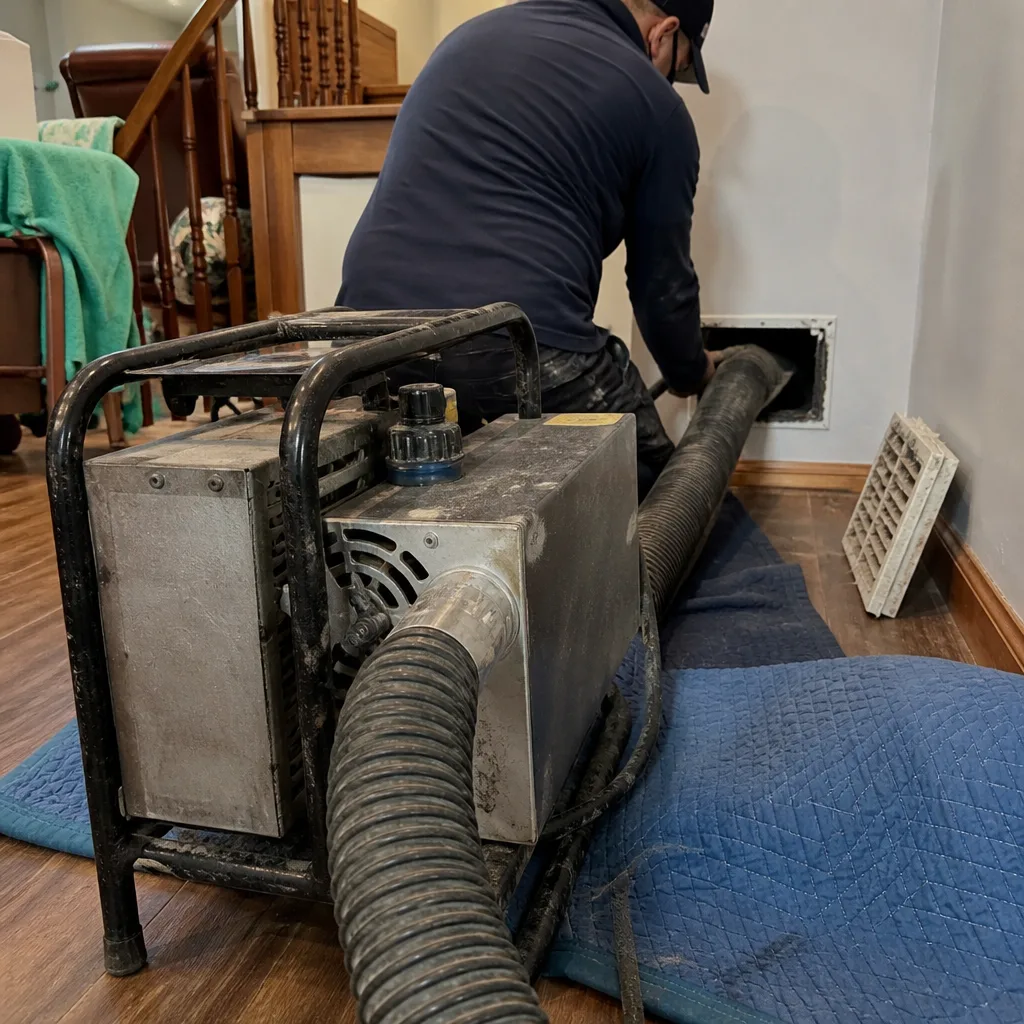 Before
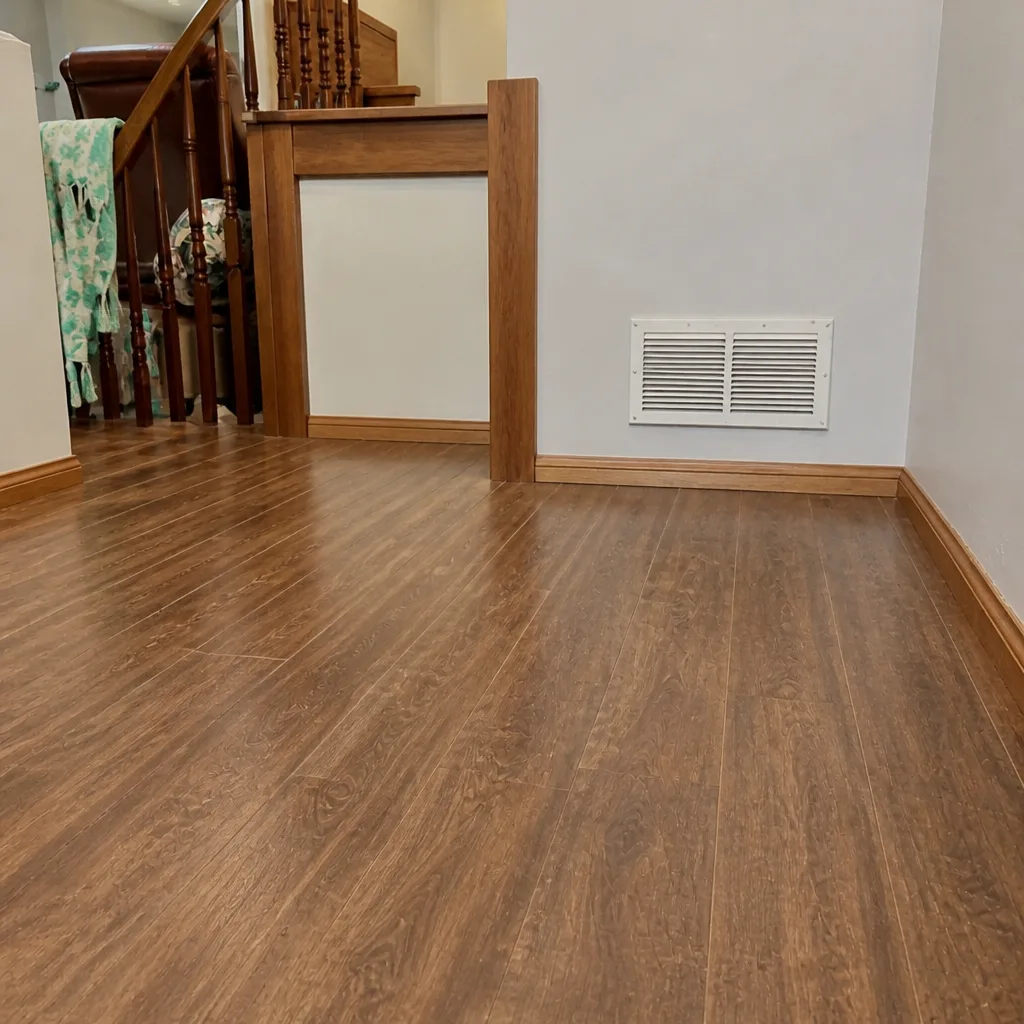 After
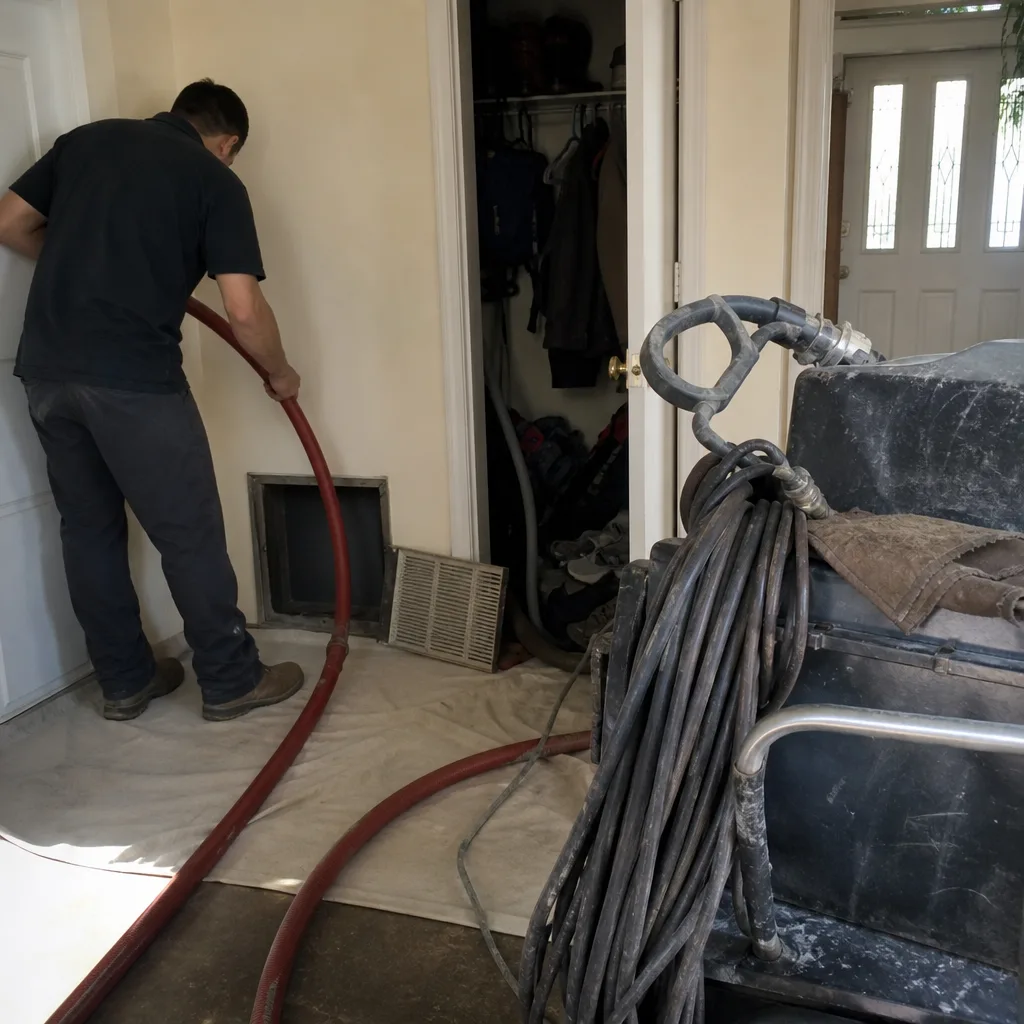 Before
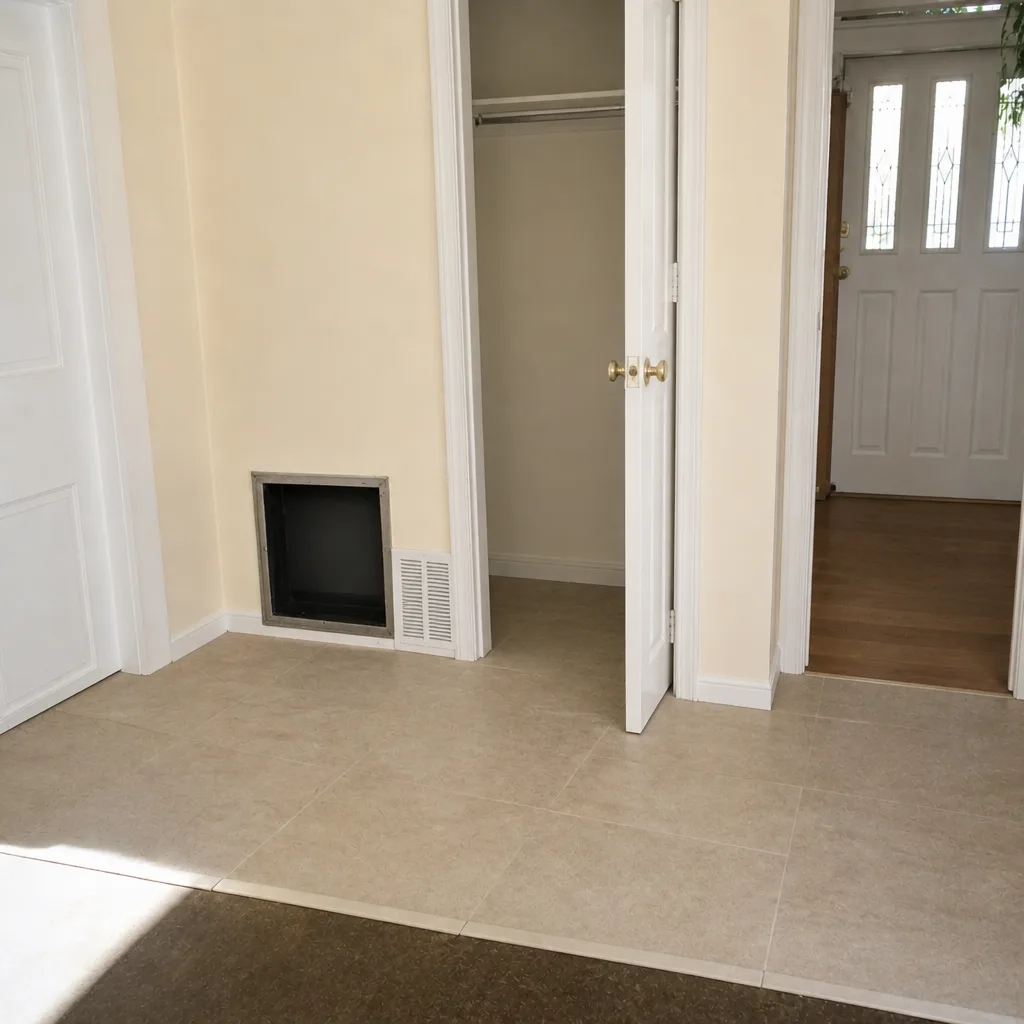 After
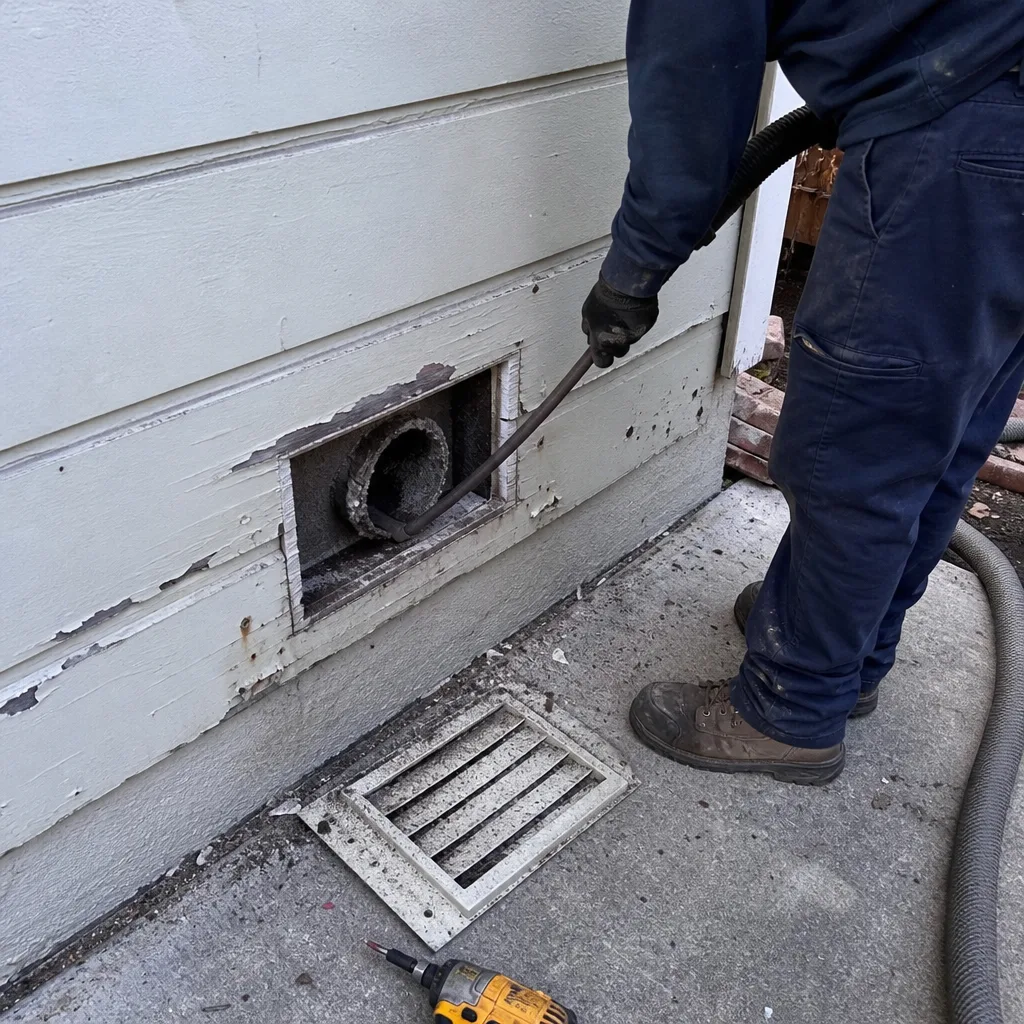 Before
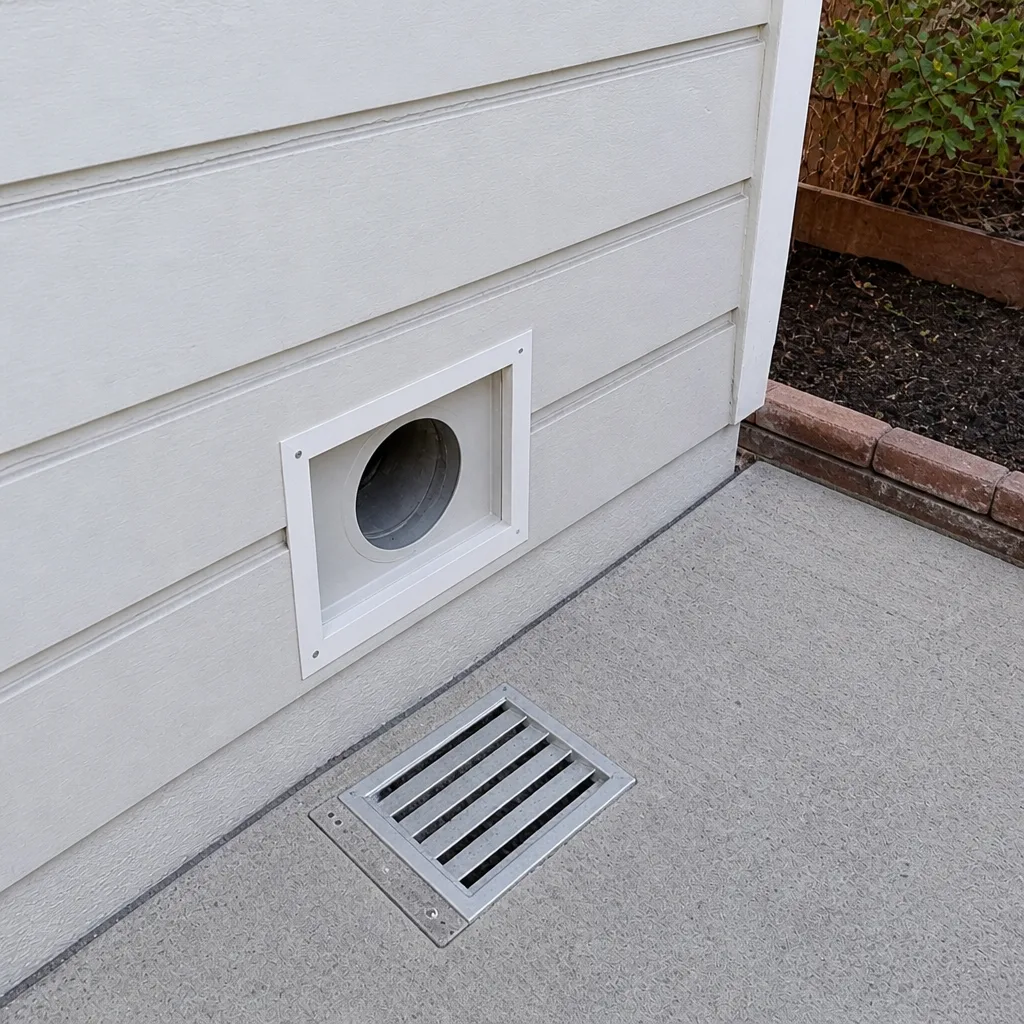 After
Frequently Asked Questions
Most Concord homes should be cleaned every two to five years, with five years as a baseline for a pet-free, non-smoking home with no recent renovation and a well-fitted MERV-11 to MERV-13 filter. Subtract a year for each compounding factor: pets, indoor smoking, a low-grade filter, or a recent renovation. Homes near active construction should be inspected after the dust settles rather than waiting for the interval.
The figure came from a research observation about typical homes, not a maintenance rule. A genuinely low-load household with good filtration and no renovation dust can often stretch closer to five to seven years between cleanings. Airflow at the registers is the leading indicator that the interval is approaching; watch for a drop across several registers that isn’t explained by the filter. Call (855) 970-7954 for an inspection if you’re unsure.
Yes, within limits. A properly fitted MERV-13 filter captures far more particulate before it reaches the duct interiors, letting your interval hold nearer the baseline. If your blower can’t handle the pressure drop, though, a high-MERV filter can hurt airflow, so match the grade to your system. We service Honeywell and Aprilaire systems and can tell you what your equipment is designed to handle.
Not automatically. Check the filter first, and if it’s loaded from days of running the system with windows closed, replace it. If the system ran heavily through a long smoke event, schedule an inspection rather than an immediate cleaning; the inspection tells you whether the ducts actually loaded. Call (855) 970-7954 to book one, and let the findings set the decision.
Tools and documentation. Low-bid cleaners often use a blower and a shop vac, which stirs debris and pulls surface dust without truly contact-cleaning the runs or extracting with HEPA filtration. A professional job uses equipment like Rotobrush contact-cleaning systems and Nikro HEPA extraction, then documents the work with before-and-after photos of your own ducts and a written condition report. Ask what equipment a company uses and what report you’ll receive before you book.
It’s the most useful thing you can hand over. Photos of each run, the access points used, the filter grade and change date, findings on duct condition, and baseline airflow at each register turn a one-time cleaning into a documented starting point for the next visit. Without it, the next technician starts from scratch. Call (855) 970-7954 for a free estimate and ask for the report up front.
The Bottom Line
Replace the universal interval with a schedule built for your household. Start at five years for a clean, filter-forward, pet-free home; subtract a year each for pets, smoking, a MERV-6 filter, and recent renovation; then layer local triggers (construction along Willow Pass, smoke events, seasonal changeover) on top. Do the between-cleaning tasks: change the filter, vacuum the registers, inspect the coil, seal obvious gaps. Watch airflow at the registers as your leading indicator. And demand a written, photographed inspection report so the next visit has a baseline. If you’re in doubt about your interval, get an inspection rather than guess. Call (855) 970-7954. We answer 24/7. Fast dispatch from 7am to 7pm, Sunday through Friday, for Concord homeowners.
Written by the team at Benchmark Air Duct Cleaning.