
Last updated November 16, 2026
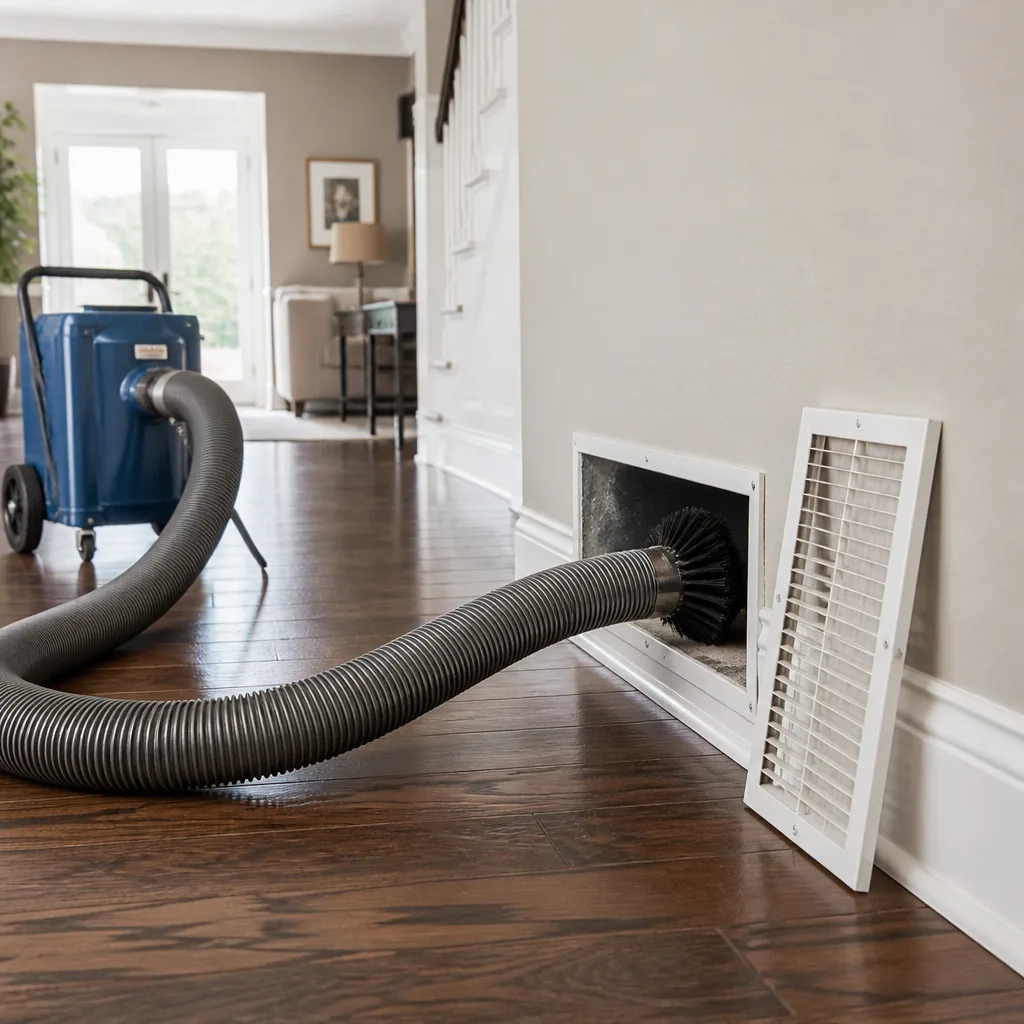 Whole-home duct cleaning
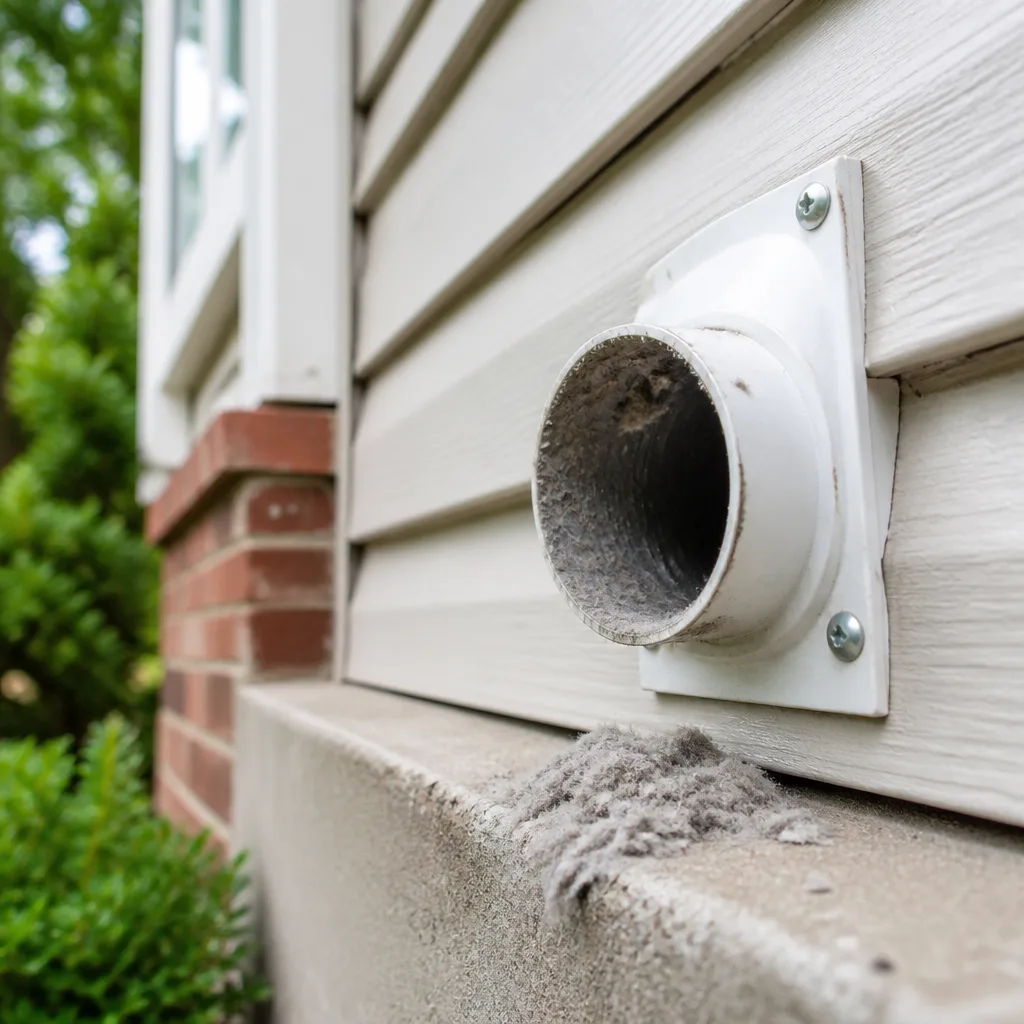 Dryer vent cleaning
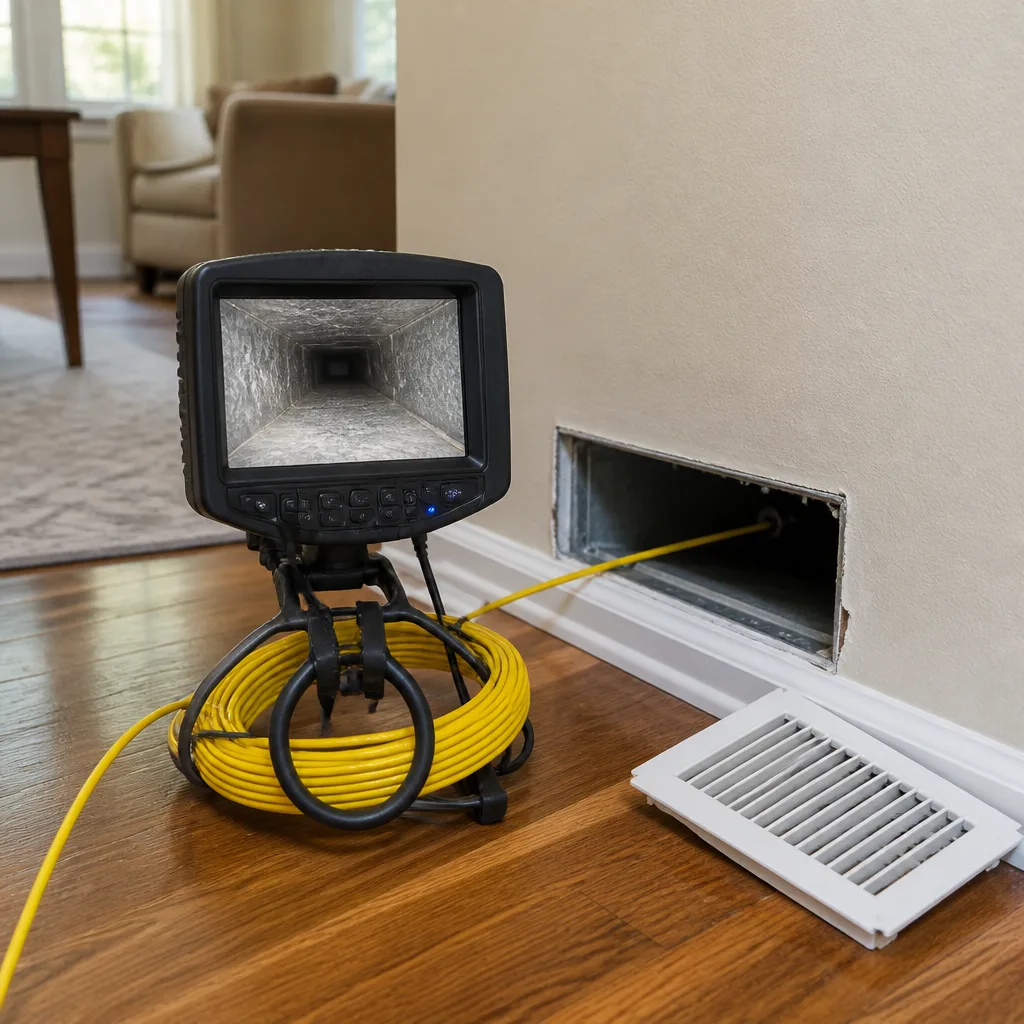 Camera inspection
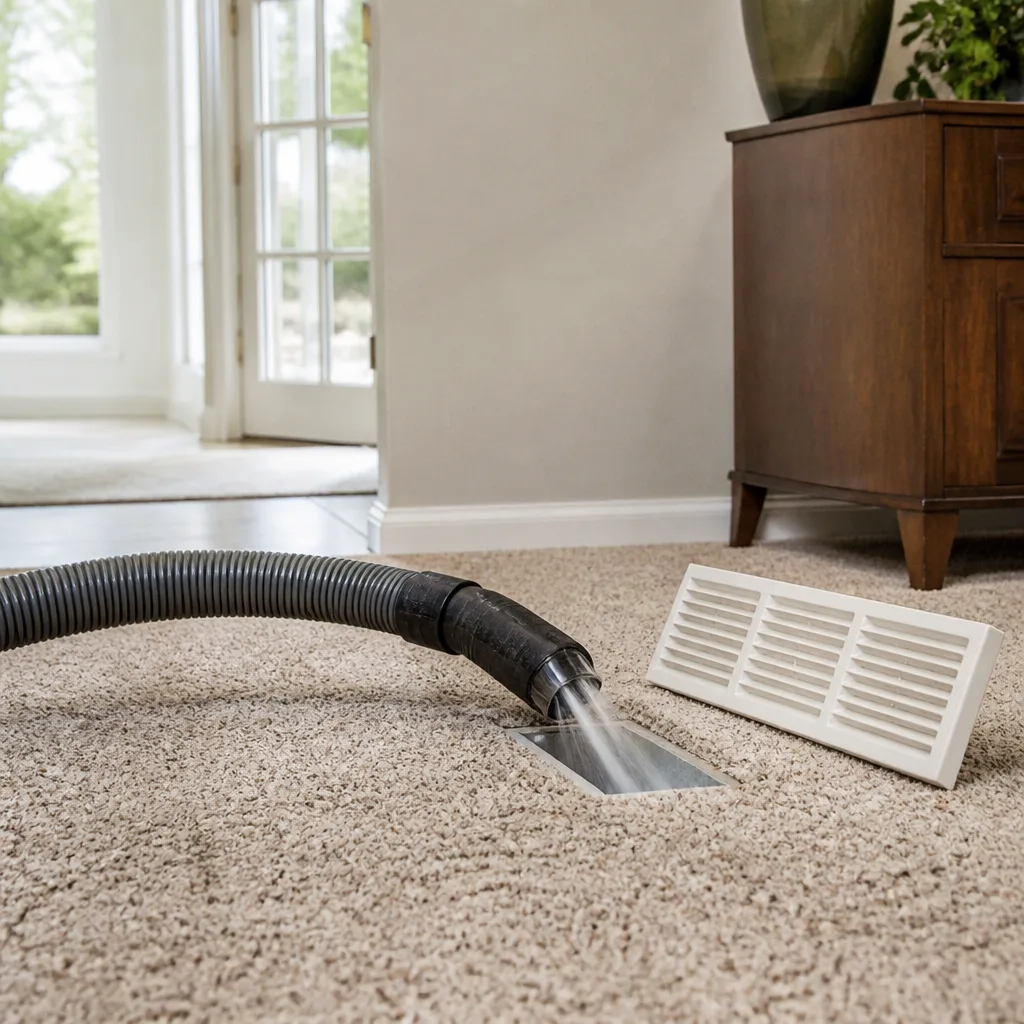 Sanitizing & deodorizing
Whole-system duct and dryer vent check with before-and-after photos - you see exactly what came out of your vents
That "$99 whole-house special" is a bait ad - the real number appears once they are in your hallway, or the "clean" is a shop-vac at the register. We photograph the inside of your ducts before and after instead.
Air Duct Cleaning Permits, Codes & Inspections in Concord, CA: What You Need to Know
Here’s the part almost nobody tells you before booking a cleaning: the cleaning itself needs no permit, but the repair you agree to afterward often does. Duct cleaning in Concord is unregulated in the sense that no building department sign-off is required to run a vacuum and brush through your system. The trouble starts when a technician finds a collapsed flex run, a disconnected trunk, or microbial growth inside the airstream and offers to fix it on the spot. That offer can move the job from maintenance into permitted mechanical work, and the paperwork gap lands on your property record, not the contractor’s. This guide explains where that line sits under the California Mechanical Code, when mold crosses into a licensed contractor’s scope, how dryer vent work splits between cleaning and rerouting, and how to verify a C-20 license before you authorize anything.
Quick Answer
Air duct cleaning in Concord, CA does not require a permit because it’s maintenance, not construction. Repairs or modifications to ductwork, including replacing sections of flex duct or reconfiguring a distribution system, generally fall under the California Mechanical Code and need a permit from the local building authority. Mold remediation inside ductwork is a separate scope, governed by state health and safety rules and limited to licensed contractors.
Styles & brands we work with
- Whole-home duct cleaning
- Dryer vent cleaning
- Camera inspection
- Sanitizing & deodorizing
Table of Contents
- Cleaning vs. Modification: Where the Permit Line Actually Sits
- What the California Mechanical Code Says About Ductwork
- When Mold in Ductwork Stops Being a Cleaning Job
- Dryer Vent Cleaning vs. Dryer Vent Rerouting
- Rental and Multi-Unit Properties in Concord
- How to Verify a C-20 HVAC License Before You Sign
- What a Duct Inspection Should Actually Cover
- Documentation That Protects You at Resale
Cleaning vs. Modification: Where the Permit Line Actually Sits
The distinction is simpler than the code language makes it sound. Cleaning removes what’s already accumulated inside a working system. Modification changes the system itself: its routing, its connections, its components, or its airflow characteristics. One is housekeeping. The other is construction, and construction gets inspected.
In practical terms, here’s how the split works on a typical Concord job:
- No permit required: contact cleaning of duct interiors, negative-pressure HEPA extraction, cleaning of registers and grilles, cleaning the air handler cabinet exterior, dryer vent cleaning, and before-and-after airflow measurement.
- Permit usually required: replacing a run of flex duct, reconnecting a duct that has separated from a trunk or boot, sealing a duct system with mastic as part of a repair, adding or removing a supply or return, and changing the size or routing of ductwork.
- Separate license scope: mold remediation inside the air distribution system, which is not simply cleaning and is not covered by a cleaning-only operation.
This is where the “we’ll just fix it while we’re here” conversation becomes risky. A homeowner authorizes a repair in good faith, the work gets done without a permit, and years later a buyer’s inspector flags unpermitted mechanical work. That flag can hold up a sale, and the cost of retroactive permitting usually falls on whoever owns the property at the time. In our experience, the honest move is to separate the two scopes clearly: quote the cleaning, document the repair need with photos and airflow readings, and tell the homeowner exactly which repairs require a permit before anyone touches the ductwork.
For homes in Concord’s older neighborhoods, where original galvanized duct systems have been patched over several decades, this distinction comes up more often than people expect. A cleaning reveals the condition; a licensed HVAC contractor handles anything that changes the system.
What the California Mechanical Code Says About Ductwork
The California Mechanical Code governs the installation, alteration, and repair of mechanical systems, including ductwork, and it’s the reference the local building department works from when reviewing a permit application. Section 504 addresses duct installation and the requirements for duct systems serving occupied spaces. The practical takeaway for a homeowner isn’t the section number, it’s the category: installation and alteration are permitted work, while cleaning and maintenance are not.
Three things follow from that:
- The building department decides jurisdiction. In Concord, permit applications for mechanical work go through the city’s building authority. When in doubt about a specific repair, a single phone call to the building department settles it faster than any contractor’s opinion.
- Permitted work gets inspected. A repair that goes through the permit process will typically be inspected by the city, which is a benefit to the homeowner. The inspection is a third-party check that the ductwork was connected, sealed, and supported correctly.
- Cleaning contractors and HVAC contractors have different scopes. Cleaning a duct system is one service. Altering it is another. A C-20 licensed contractor can legally perform the second. When you’re comparing quotes, ask which one you’re actually being offered.
This matters in Concord specifically because the housing stock is mixed. Some homes have duct systems that have been modified piecemeal over the years, sometimes with mismatched duct types, sometimes with runs that were extended without proper support. A cleaning crew that’s paying attention will see those conditions. What they do next is where the code comes in.
Air duct cleaning itself remains unpermitted work, and that’s normal. The point isn’t to layer paperwork onto routine maintenance. It’s to know that if the scope grows beyond cleaning, the rules change, and to insist on a clean handoff to a licensed HVAC contractor rather than a verbal promise to “handle it.”
When Mold in Ductwork Stops Being a Cleaning Job
Mold found inside ductwork changes the job category entirely. Duct cleaning can remove settled dust, debris, and surface contamination. Mold remediation is a different discipline with its own licensing and work-practice requirements under California health and safety regulations, and it’s not something a duct cleaning company should take on as an upsell.
The safest way to think about it:
- Surface dust and debris: cleaning scope. Professional-grade HEPA extraction, as with Nikro and Rotobrush systems, is the right tool.
- Visible microbial growth inside the airstream: remediation scope. This needs a contractor licensed for that work, and often a clearance check after the job.
- Moisture source feeding the growth: HVAC scope. Mold doesn’t grow in dry ductwork, so the underlying cause (a coil issue, an oversized system short-cycling, a leaking condensate line, poor attic ventilation) has to be found and corrected by a licensed HVAC contractor.
The moisture question is the one most Concord homeowners don’t ask. Mold inside a duct system means moisture is present, and a cleaning that removes the growth without addressing the source is a temporary fix. In a climate with dry summers and mild, wetter winters, attic and crawlspace humidity can shift with the season, which is why we recommend addressing the moisture source before treating the symptom.
If a duct cleaning quote includes an option for antimicrobial fogging or a “sanitizing treatment” pitched as mold removal, treat that as a signal to slow down. A cleaning company operating in-scope will tell you what it can and can’t do, and will refer mold-related findings to a licensed remediation contractor. We do exactly that. It’s a shorter conversation, but it’s the right one.
Dryer Vent Cleaning vs. Dryer Vent Rerouting
Dryer vent cleaning is unregulated maintenance. Dryer vent rerouting, meaning changes to the length, routing, or termination point of the vent, falls under building code requirements for dryer exhaust systems and generally requires a permit. This trips up a lot of Concord homeowners mid-project, when a technician finds a vent run that’s too long, kinked behind the dryer, or terminating into a crawlspace or attic instead of outdoors.
The standard requirements for dryer exhaust are worth knowing because they define what’s safe: the vent should terminate outdoors, use smooth rigid or semi-rigid metal duct, and stay as short and straight as possible. A run that has been extended with flexible foil duct, or that dumps into an attic, is a fire risk regardless of how often it’s cleaned.
Here’s how the split works in practice:
- Cleaning: brushing and vacuuming the existing vent run, removing accumulated lint, checking the termination for blockage (lint buildup, bird nests, stuck dampers), and verifying airflow at the exterior hood. No permit.
- Minor corrections: re-securing a loose connection, removing a crushed section of flex, replacing the exterior hood or damper. Discuss the scope and whether the correction modifies the system.
- Rerouting or replacement: changing the path of the vent, changing the termination location, or replacing the duct material. This is a building code matter and typically requires a permit and, in most cases, an HVAC contractor.
Dryer vent cleaning is a safety service, not an add-on. Lint accumulation in a restricted vent is a genuine fire hazard, and a cleaning that reveals a routing problem is doing its job by finding it. For Concord properties, we treat dryer vent cleaning as a standalone safety service and give homeowners a clear read on whether the vent run itself needs corrective work from a licensed contractor.
Rental and Multi-Unit Properties in Concord
Multi-unit and rental properties raise the regulatory stakes. Landlords in California have habitability obligations that include maintaining the HVAC system in good working order and providing clean, functioning air distribution, and documentation of that maintenance is what protects an owner if a tenant raises a health or air-quality concern.
What landlords and property managers should know:
- Habitability standards apply. A duct system that’s contaminating the air or delivering inadequate airflow can be a habitability issue, and the landlord is the responsible party under California law.
- Documentation is your defense. Before-and-after photos of the duct interiors, airflow readings taken at each register, and a written summary of findings create a record that a maintenance item was addressed, not ignored.
- Cleaning a system serving multiple units: each unit’s system should be handled and documented separately, and any remediation work must be scoped correctly. If mold is present in a shared system, that’s a remediation job, and it needs to be coordinated with the tenants in writing.
- Tenant notification: access requirements and notice windows are set by the lease and state law, so schedule with the property manager, not just the unit.
Property managers in Concord often ask whether cleaning is something they need to arrange before a turnover. It’s not a code requirement, but it’s a sensible habitability precaution, and the documentation is the point. If you manage a portfolio, our air duct cleaning service includes airflow readings and photographic documentation per system, which is the record you want in the file.
How to Verify a C-20 HVAC License Before You Sign
Before you authorize any work that goes past cleaning, verify the contractor’s license. In California, the C-20 classification covers HVAC work, including the installation and alteration of ductwork, and the state licensing board maintains a free public lookup. It takes two minutes and it protects you in three ways: it confirms the contractor is legally allowed to do the work, it confirms active workers’ compensation and liability coverage where applicable, and it keeps the permit path clean.
Here’s the verification sequence we recommend:
- Get the license number in writing on the quote, before work starts. A verbal “don’t worry, we’re licensed” doesn’t count.
- Look it up on the state licensing board’s website. Check the classification (C-20 for HVAC), the status (active, not expired or suspended), and whether the license covers the scope being quoted.
- Ask who pulls the permit. If a repair requires a permit, the licensed contractor doing the work should pull it. If a cleaning company says they’ll “have their guy” pull it, ask for the license number of the contractor who will actually do the work and pull the permit.
- Ask for a certificate of insurance. For any work beyond cleaning, ask that your property address be listed on the certificate before the work starts.
- Confirm the inspection path. A permitted repair should end with a city inspection. Know that it’s happening and keep the inspection record with your home’s paperwork.
Why this matters at resale: unpermitted mechanical work can surface during a buyer’s inspection and stall a closing. Building departments can require the current owner to permit and inspect work that was done without a permit, and the cost of taking that on years later is far higher than the cost of doing it correctly the first time. That’s not scare tactics, it’s how permit records work. For more on how we handle the cleaning side of the job, see our Benchmark Air Duct Cleaning overview.
What a Duct Inspection Should Actually Cover
An inspection is where a duct cleaning job gets its standards. We inspect before we quote, and the inspection should tell you three things: what’s in the system, how the system is performing, and whether anything found is outside a cleaning scope. A crew that quotes a price without opening the system is quoting a feeling, not a job.
A proper inspection covers:
- Access and access points: where the system can be reached and inspected, and whether access ports need to be added to see the full run.
- Duct material and condition: flex, sheet metal, duct board, or a mix, and whether any sections are crushed, disconnected, or visibly failing.
- Contamination type: dust and debris (cleaning scope) versus visible microbial growth (remediation scope, referred out).
- Airflow baseline: readings at each supply and return register, taken before any cleaning, so the after measurements mean something.
- Filtration and air handler condition: the state of the filter, the air handler cabinet, and any Honeywell or Aprilaire components in the system. We’re qualified to work on both, so we check them as part of the inspection.
- Dryer vent condition, if requested: the vent run, termination point, and airflow at the exterior hood.
The instruments matter too. Rotobrush contact cleaning and Nikro HEPA extraction with negative pressure mean the cleaning removes debris instead of stirring it into the living space. Abatement Technologies equipment is part of our toolkit for the same reason: it’s built for air-quality work at the level an inspection demands. “Built to a standard, not a price” isn’t a slogan here; it’s a description of what the inspection is for.
Documentation That Protects You at Resale
The paperwork is the difference between a job you can prove and a job you can only describe. When you sell a Concord home, a buyer’s inspector is going to look at the mechanical system. Having a clear record that the ductwork was cleaned, its condition documented, and any repairs properly permitted and inspected removes a source of negotiation leverage from the buyer’s side.
Keep these things together:
- Before-and-after photos of the duct interiors, from the same access points, so the comparison is direct.
- Pre- and post-cleaning airflow readings at each register. Numbers, not adjectives.
- The written findings and quote, showing what was inspected, what was cleaned, and what was referred out.
- Permit numbers and inspection sign-offs for any repair work, kept with your mechanical or home improvement records.
- The contractor’s license number and insurance certificate for any repair work.
If you use a property manager, ask for these documents to be filed against the property address. For homeowners selling in Concord, the file makes the conversation about the HVAC system short and factual, which is the goal.
Common Mistakes to Avoid
- Authorizing a repair on the spot without asking about a permit. If a technician recommends reconnecting a separated duct or replacing a crushed run, ask two questions before saying yes: does this need a permit, and will you be pulling it? A vague answer is a reason to pause.
- Treating mold remediation as a cleaning upgrade. Some companies offer “sanitizing” fogging as an additive. Mold inside a duct system is a remediation scope with a licensed contractor, and the moisture source behind it needs an HVAC contractor, not a cleaning crew.
- Assuming a cheap cleaning is a cheap repair. A low cleaning price often leads to a big repair number once the technician is inside. Get the repair scoped separately by a licensed contractor with a written estimate.
- Letting a dryer vent reroute get done by whoever shows up to clean it. Cleaning is unregulated; rerouting involves building code requirements and generally a permit. In Concord, where many homes have dryer vents that run long distances or terminate in awkward spots, this is where homeowners get surprised mid-project.
- Skipping the license check. A state lookup on a C-20 license takes two minutes and settles whether the contractor is allowed to do the work. Skipping it is the mistake that shows up at resale.
- Not keeping the documentation. Photos, airflow readings, and permit records are what make the work verifiable. If you had the work done and can’t prove it, the next buyer’s inspector will treat it as unknown.
- Assuming ductwork is grandfathered. Older duct systems in Concord have often been patched and modified over the years, sometimes without permits. A cleaning that reveals those conditions is a chance to get them documented and corrected legally.
See the difference
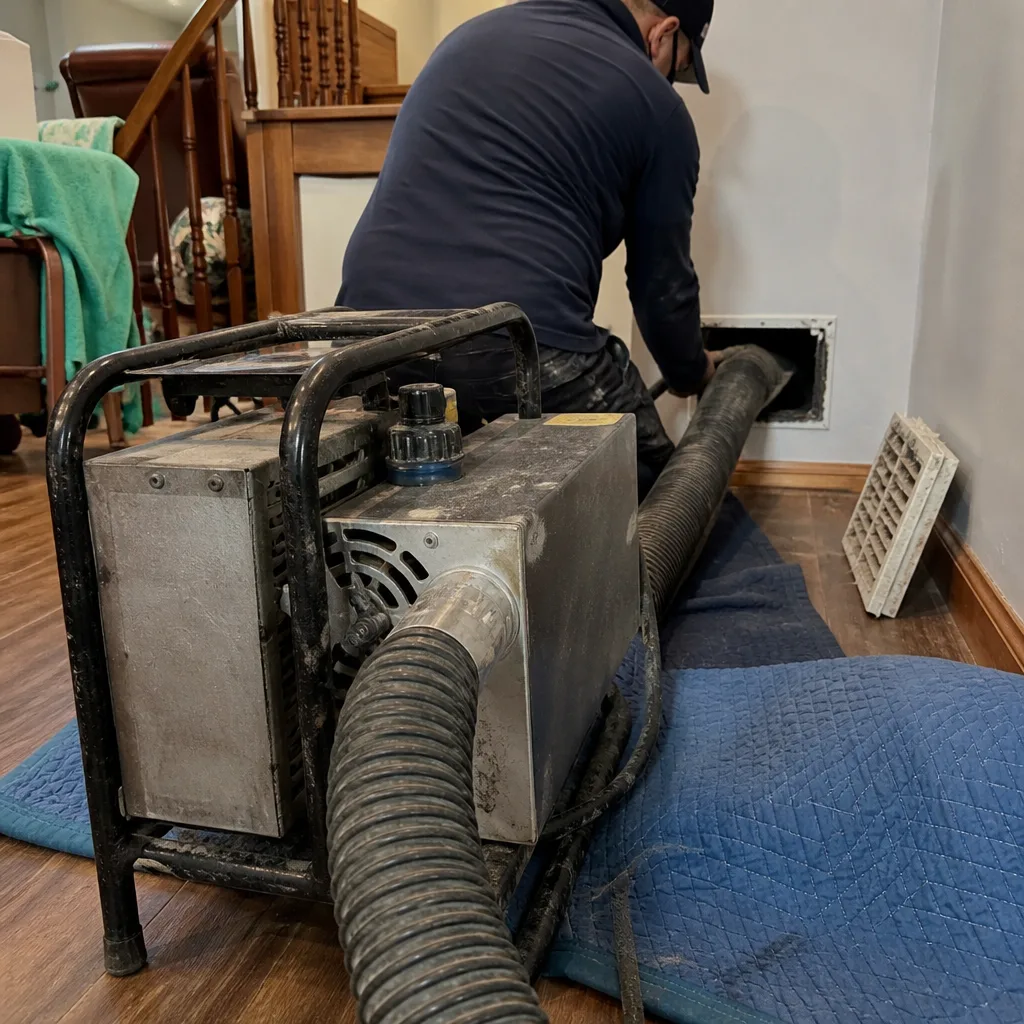 Before
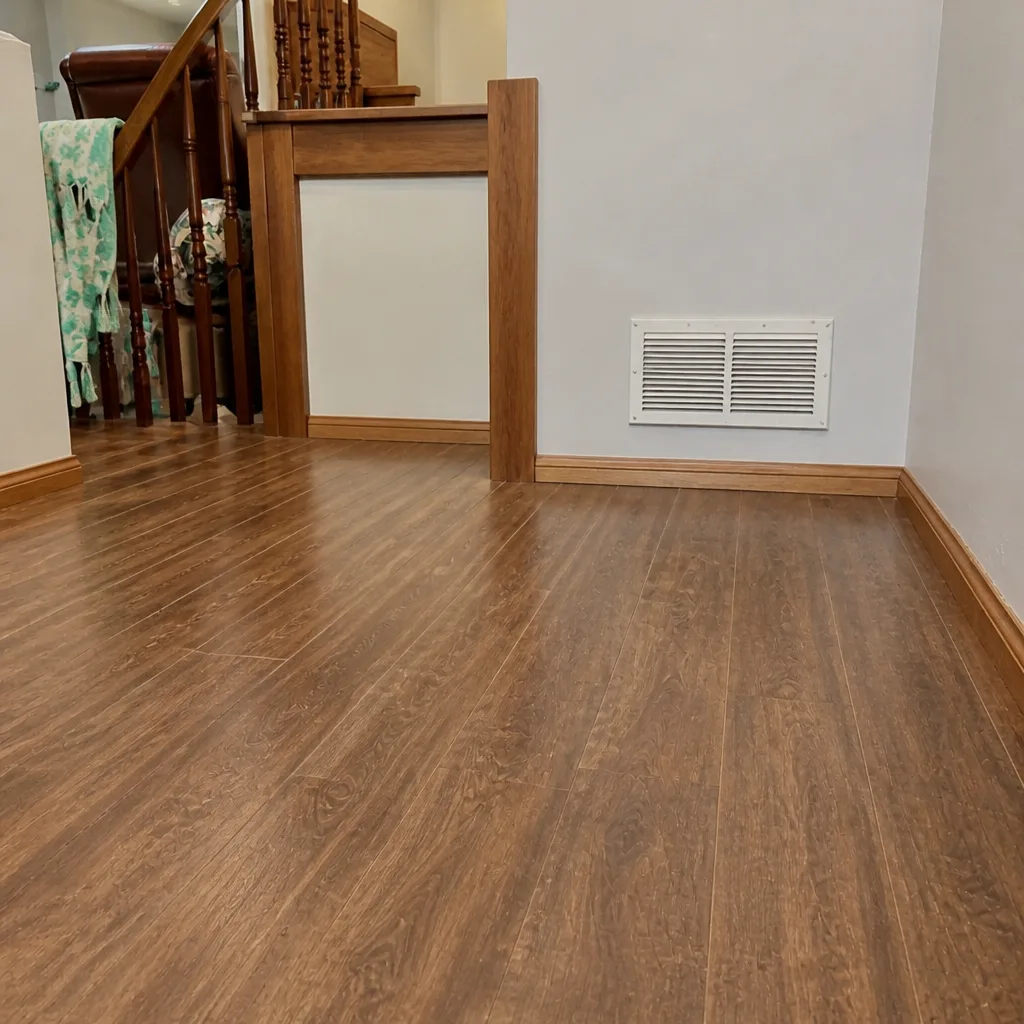 After
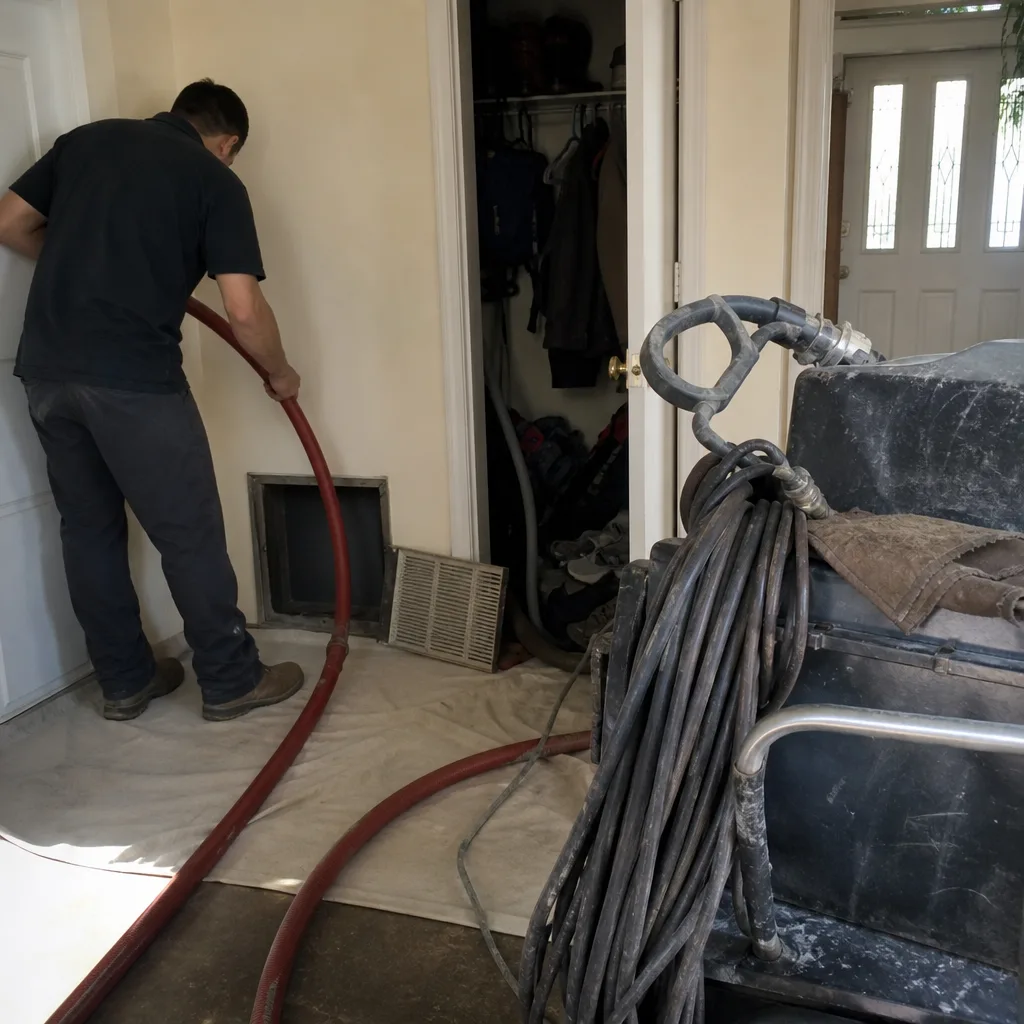 Before
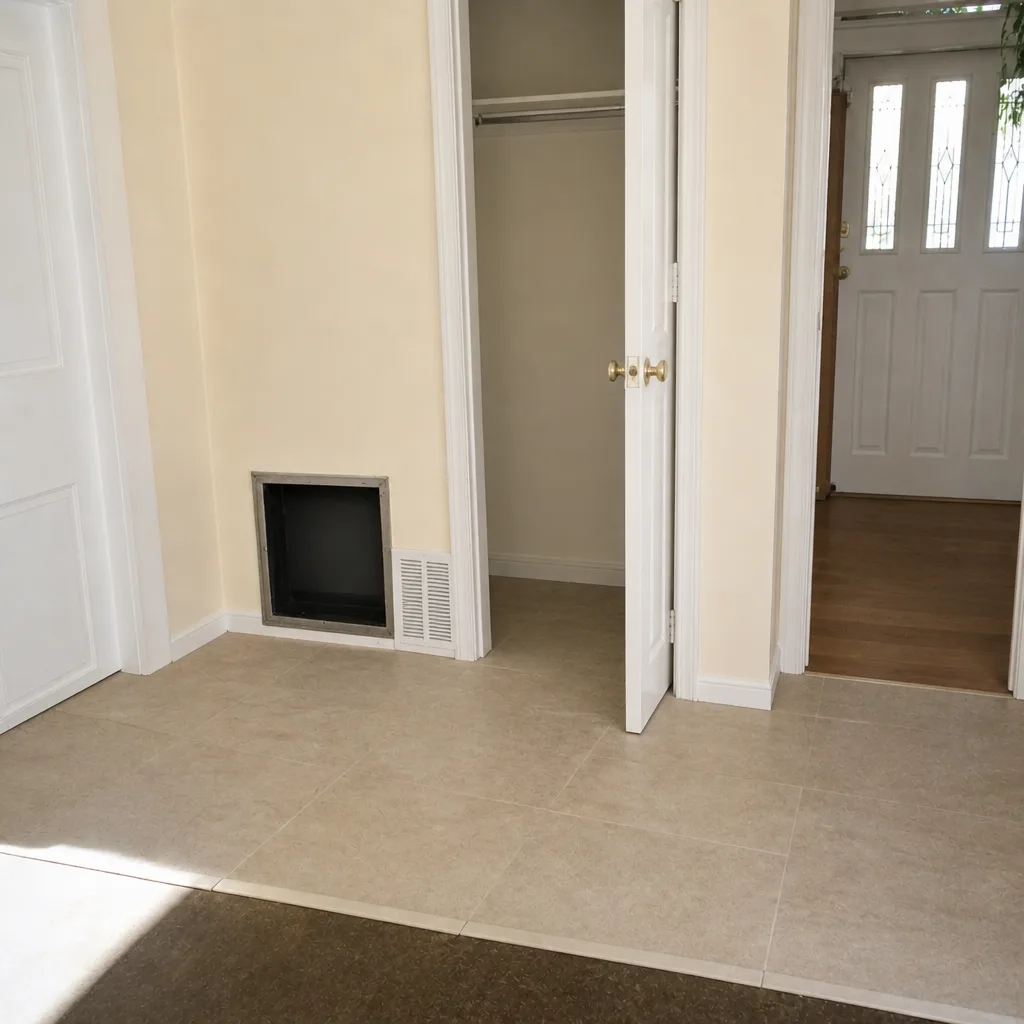 After
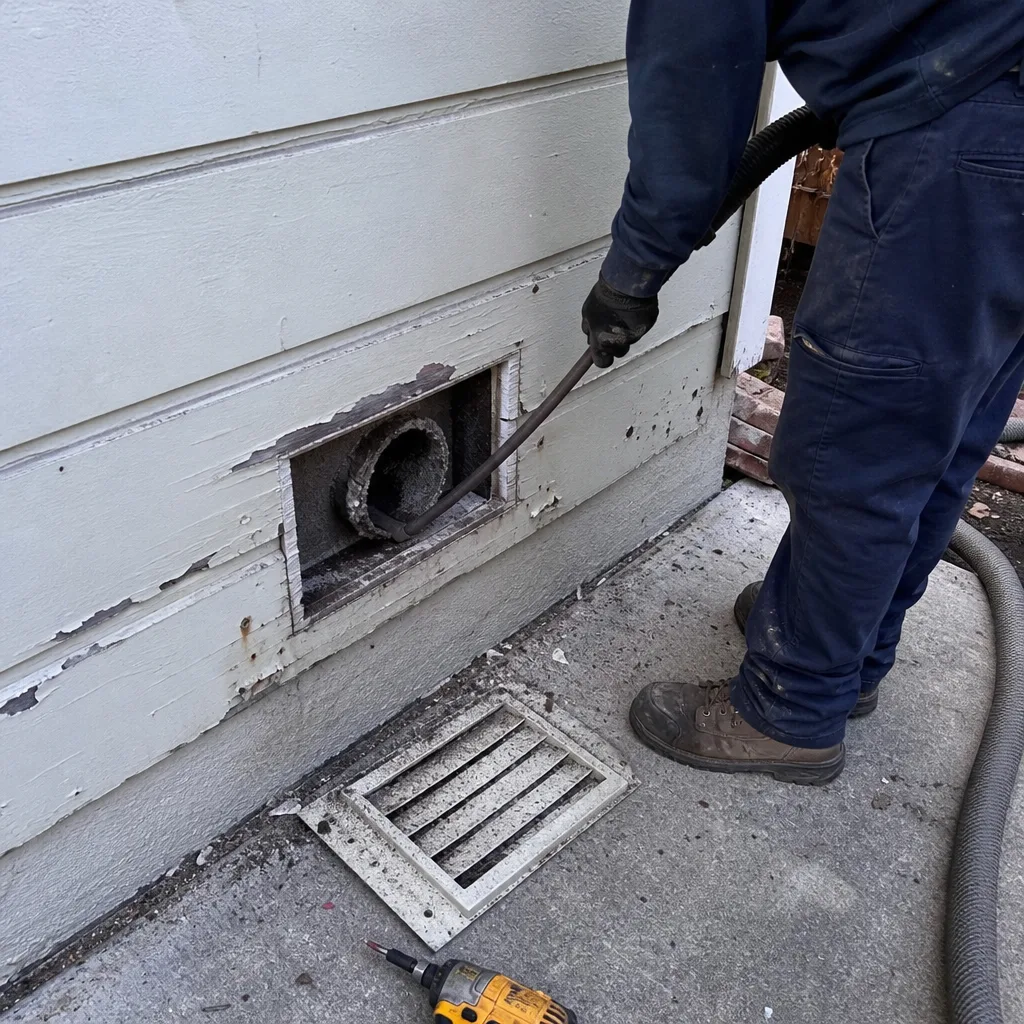 Before
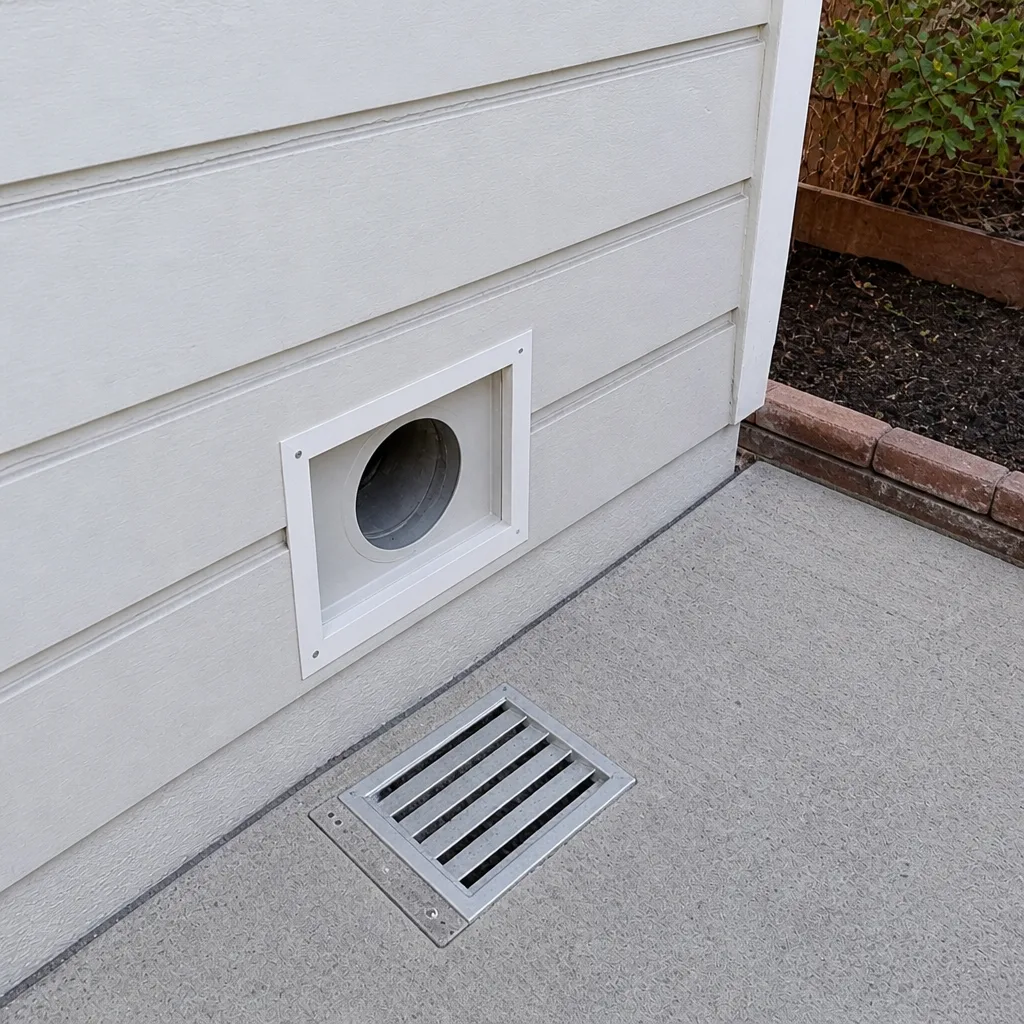 After
When to Call a Professional
Some situations don’t need analysis, they need a call. Visible mold inside the ductwork or around the registers is a call to a remediation contractor and an HVAC contractor, in that order. A dryer vent that’s clearly blocked, kinked, or running into an attic or crawlspace is a safety issue, and the vent cleaning is the first step. Ductwork that’s visibly disconnected, collapsed, or whistling at a joint is a condition to document and hand to a licensed HVAC contractor. And if a cleaning quote has moved into a repair conversation without a clear scope, that’s a call to verify the license and settle the permit question before anything else happens.
Benchmark Air Duct Cleaning offers free estimates in Concord – call (855) 970-7954. We answer 24/7. Fast dispatch from 7am to 7pm, Sunday through Friday. We clean and document; where work falls outside a cleaning scope, we tell you clearly and point you to a licensed contractor.
Frequently Asked Questions
No. Air duct cleaning is maintenance work and does not require a permit in Concord. If the job grows into repair or modification of the ductwork itself, such as replacing a run of flex duct or reconnecting a disconnected system, that’s mechanical work under the California Mechanical Code and generally requires a permit from the city building department. Call (855) 970-7954 for a free estimate on the cleaning side.
Cleaning removes what’s inside a working system; repair changes the system. Cleaning is unpermitted maintenance. Repair, which includes reconnecting ductwork, replacing sections of duct, or altering the routing, is mechanical work that generally requires a permit and should be done by a C-20 licensed HVAC contractor. Ask which scope you’re getting before you authorize work.
Cleaning can remove dust and debris; mold remediation is a different scope. Mold inside ductwork falls under California health and safety regulations and requires a contractor licensed for remediation, plus an HVAC contractor to find and correct the moisture source. A cleaning company offering antimicrobial fogging as mold removal is overstepping its scope.
Dryer vent cleaning does not require a permit because it’s maintenance work. Dryer vent rerouting, meaning changes to the vent’s length, path, or termination point, is governed by building code requirements for dryer exhaust systems and generally requires a permit. If a cleaning reveals a routing problem, that’s a separate project with a licensed contractor. Call (855) 970-7954 for a free estimate on the cleaning.
Look up the contractor’s license number on the state licensing board’s website and confirm the classification is C-20 for HVAC work if the scope includes repair or modification. Check that the status is active and ask for a certificate of insurance listing your property address before the work starts. Our technicians have up to experience, and we’ll tell you plainly when a job needs a licensed HVAC contractor instead of us.
Buyer inspections can flag unpermitted mechanical work, which can stall a closing and force the current owner to permit and inspect the work retroactively. Keeping permit numbers, inspection sign-offs, before-and-after photos, and airflow readings together gives you a documented record. It turns a resale question into a short, factual answer.
The Bottom Line
Cleaning your ducts in Concord doesn’t require a permit, and that’s the easy part. The hard part is knowing where the job stops being cleaning. Repair and modification of ductwork are mechanical work under the California Mechanical Code and generally need a permit and a C-20 licensed HVAC contractor. Mold inside the ductwork is a remediation scope, and the moisture feeding it needs an HVAC contractor. Dryer vent cleaning is unpermitted; dryer vent rerouting is not. For landlords, the documentation is the point. Verify licenses, keep the paperwork, and treat any “we’ll just fix it while we’re here” offer as a prompt to ask about permits. That’s the standard we work to. For a Concord cleaning estimate, call (855) 970-7954. We answer 24/7. Fast dispatch from 7am to 7pm, Sunday through Friday.
Written by the team at Benchmark Air Duct Cleaning.