
Last updated November 16, 2026
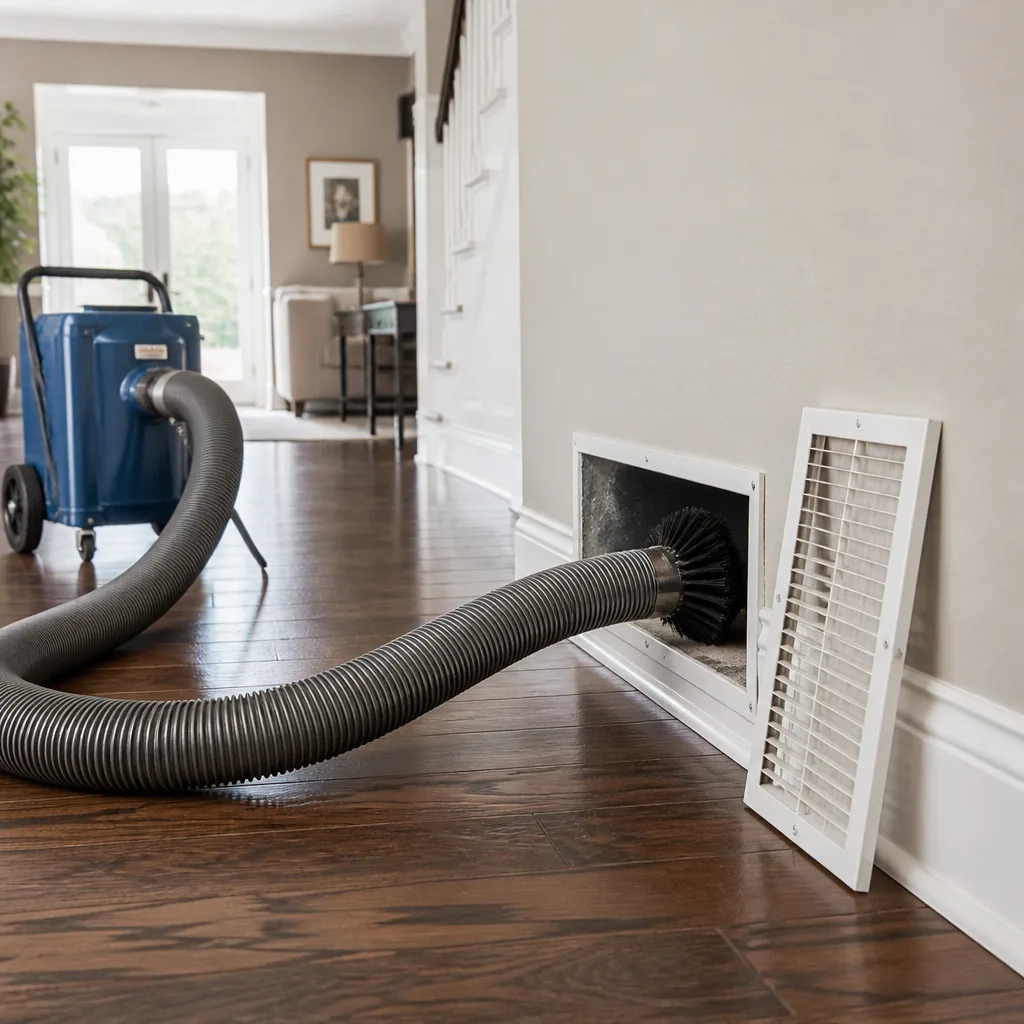 Whole-home duct cleaning
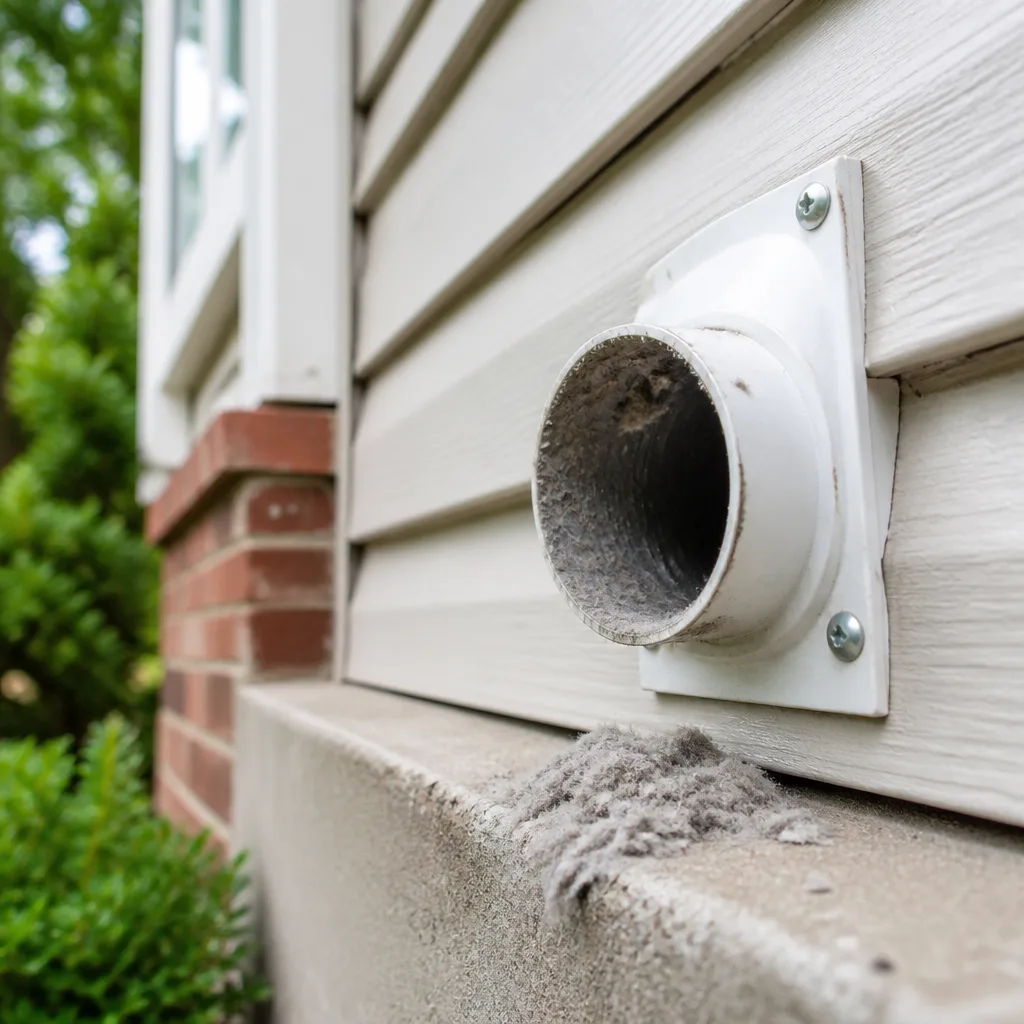 Dryer vent cleaning
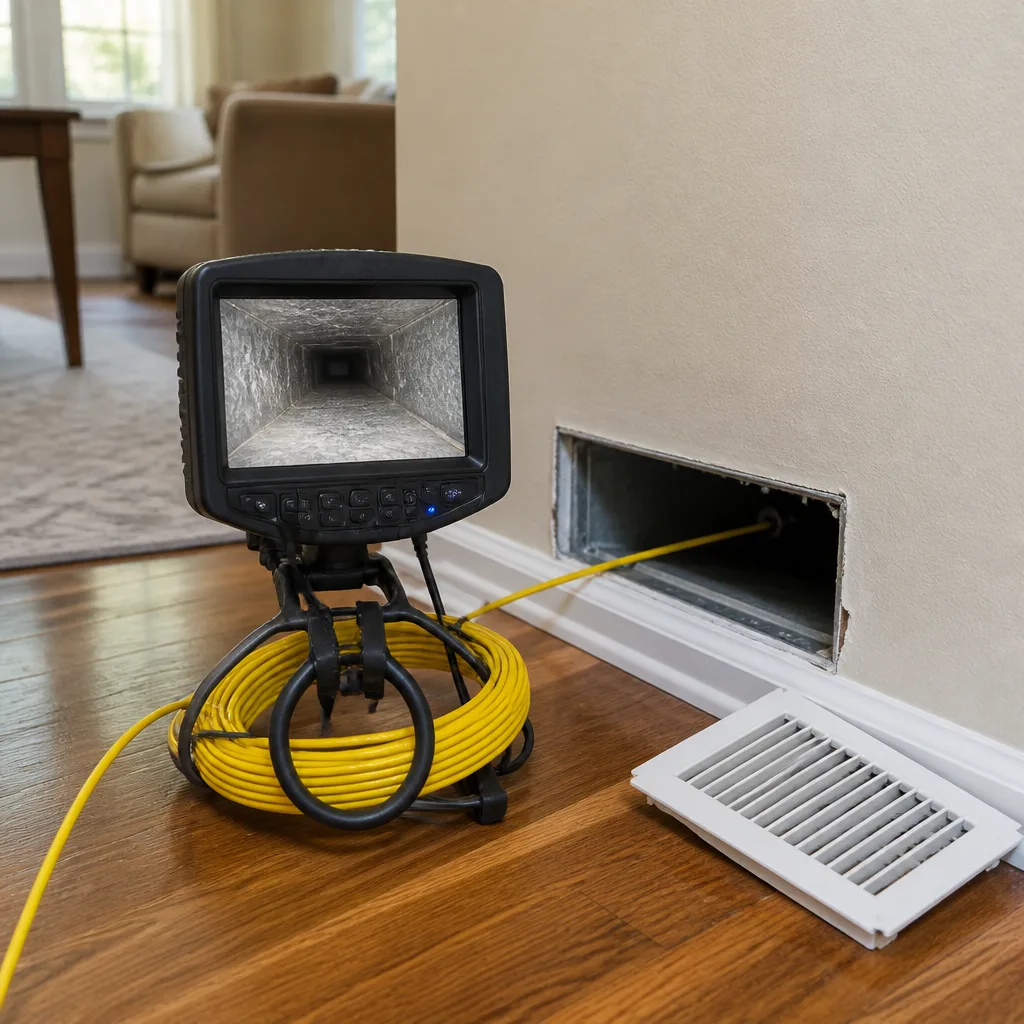 Camera inspection
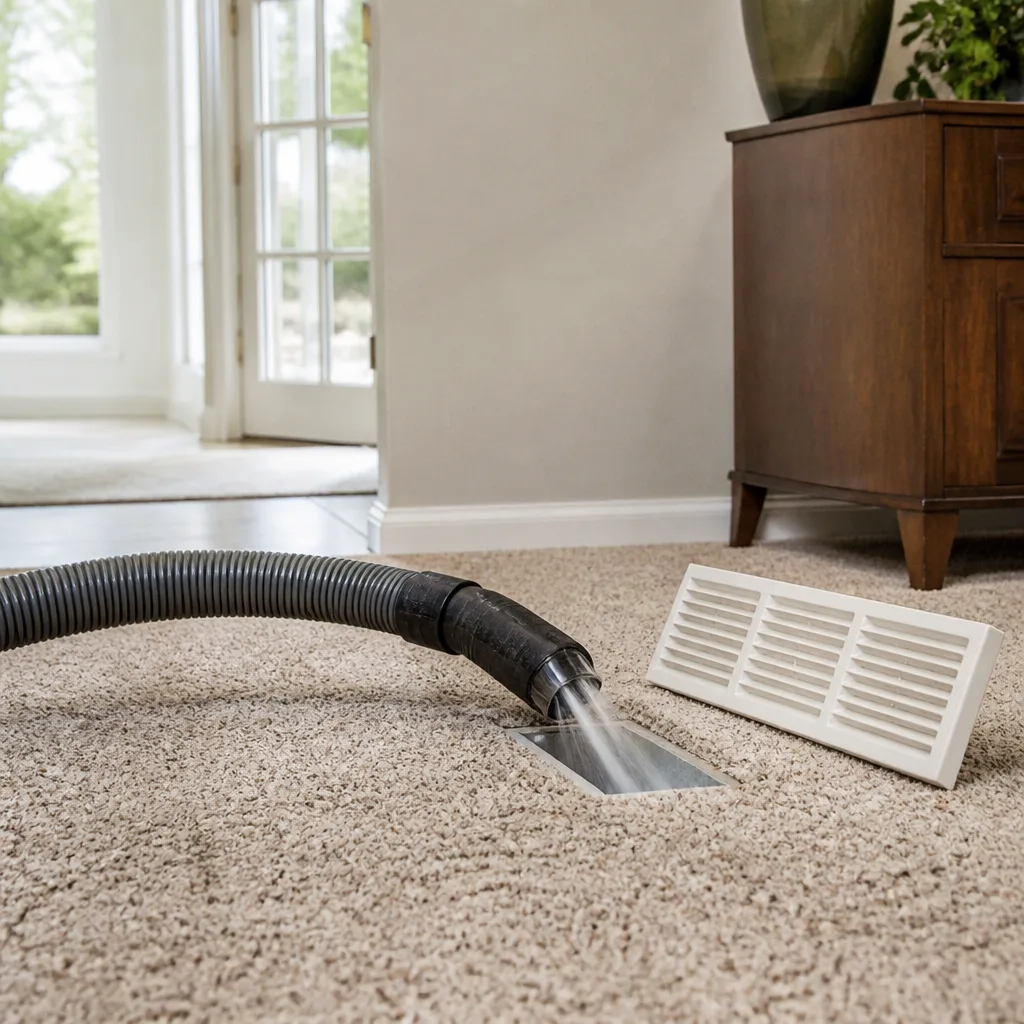 Sanitizing & deodorizing
Whole-system duct and dryer vent check with before-and-after photos - you see exactly what came out of your vents
That "$99 whole-house special" is a bait ad - the real number appears once they are in your hallway, or the "clean" is a shop-vac at the register. We photograph the inside of your ducts before and after instead.
Air Duct Cleaning Troubleshooting in Concord: Common Problems and How to Fix Them
If your ducts were cleaned six months ago and you’re already smelling something musty, the cleaner probably didn’t fail. Your system did. Duct cleaning removes what’s inside the ducts at the moment of cleaning, but it can’t fix a disconnected flex run, a filter that never seated right, or a drain pan breeding bacteria upstairs. When a problem comes back fast, the cause almost always lives somewhere the cleaning wand never reached.
This guide treats symptoms as diagnostic signals. Weak airflow, musty smells, dust that returns in weeks, uneven room temperatures: each one points to a specific mechanical cause, and most of them can be narrowed down before anyone schedules a visit. We’ll walk through the checkpoints we use on Concord systems, show you what you can verify yourself, and tell you plainly when the checklist has run out and a professional with the right equipment needs to step in.
Quick Answer
Most recurring air duct problems in Concord trace back to four things: a filter that bypasses its frame, unsealed return leaks pulling attic or crawlspace air into the system, a dislodged flex duct after a cleaning or HVAC repair, or a contamination source outside the ducts (drain pan, evaporator coil, or attic insulation breach). Checking those four spots at each register, using a smell-and-visual test, tells you whether the problem is localized or system-wide. If the contamination is system-wide and the source is inside the ductwork, you need professional contact cleaning and HEPA extraction, not another surface pass.
Styles & brands we work with
- Whole-home duct cleaning
- Dryer vent cleaning
- Camera inspection
- Sanitizing & deodorizing
Table of Contents
- Musty smell after cleaning: duct odor vs. coil and drain pan problems
- Weak or uneven airflow after cleaning
- The register test: how to tell localized from system-wide
- Dust returning fast after cleaning
- Filter bypass and the return leak
- Mild-winter condensation and moisture clues
- When troubleshooting confirms it’s beyond DIY
- What a professional should bring to the follow-up visit
Musty Smell After Cleaning: Duct Odor vs. Coil and Drain Pan Problems
A musty smell that appears within days of cleaning usually comes from moisture, not leftover dust. Dust that a cleaning leaves behind smells like dust. It’s dry, faint, and it fades as the system runs. Moisture smells different: it’s the wet, basement-adjacent smell of organic growth, and it almost always returns in the same room or the same zone every time.
Two very different problems produce that smell, and only one of them is solved by cleaning ducts.
Duct-side odor
- Smell is strongest at the registers and weak near the air handler.
- Odor is uneven: one or two rooms smell worse than the rest.
- Removing a register cover reveals visible buildup on the boot or the duct interior.
- The smell fades when the fan is off and returns when it runs.
Coil and drain pan odor
- Smell is strongest near the indoor unit, not at the registers.
- Odor is consistent across the whole house, no room singled out.
- The condensate pan holds standing water or shows a slimy film.
- The drain line is slow or clogged, so water sits in the pan instead of draining.
Here’s the part that matters: cleaning ducts will not fix a drain pan problem. If the pan or the evaporator coil is the source, you can clean the ducts perfectly and the smell will return within a week. That’s a moisture-management problem, and it usually needs an HVAC technician rather than a duct cleaner. Many systems in Concord’s older housing stock run a coil that has never been pulled and cleaned, so a stale smell that survives a duct cleaning is a strong signal to have the indoor unit inspected before you spend money on another pass. On a professional cleaning visit, our technicians use a Benchmark Air Duct Cleaning process that includes inspecting the air handler interface, precisely because the source and the symptom often sit in different places.
Weak or Uneven Airflow After Cleaning
If one room went from weak to strong and another did the opposite, the cleaning process disturbed the duct run. That’s the most common airflow complaint after a cleaning, and it has a short list of causes.
- A flex duct slipped off the register boot. The cleaning tool passed through, the flex run had been taped loosely, and now it’s blowing into the attic or crawlspace instead of the room.
- A register boot reseated wrong. A boot that was pulled out to clean behind it and put back without a proper seal leaks air around the frame, so the room loses static pressure.
- A damper was left in the wrong position. Many homes have a volume damper in each branch. If one was closed for cleaning and never reopened, that zone goes quiet.
- A filter was reinstalled backward or poorly seated. A filter that bypasses its frame cuts airflow through the system and starves every register at once.
Check the quiet room first. Pull the register cover and look at where the boot meets the ceiling or wall. If you can see daylight, a gap, or a flex run hanging loose, that’s your answer. A proper clean should never leave a duct disconnected. If airflow dropped in the same room that smells musty, or the drop is system-wide across every register, the cause is usually a filter or return issue rather than a single branch.
One local note: Concord homes with a ducted system running through an unconditioned attic see more flex-duct disturbance than homes with ducts in conditioned space. Flex runs in the attic expand and contract through the year, and tape that was fine in spring can let go by summer. A reconnect and proper seal is the fix, and it’s part of our air duct cleaning work when we find it during a visit.
The Register Test: How to Tell Localized from System-Wide
Before you call anyone, run a five-minute test at each register. What you find tells you whether the problem is a single room or the whole system, and that answer determines what kind of fix is needed.
Test at each register
- Hold a tissue or a piece of light paper against the grille. Expect steady deflection across the whole grille. A weak pull, or pull only at one corner, suggests a branch issue.
- Smell the air from a few inches away, with the fan on. Note whether the smell is present, faint, or absent. A smell at every register is a system-wide signal.
- Shine a light into the boot where you can see the duct interior. Note visible dust, buildup, debris, or signs of moisture. Dark streaks or a fuzzy edge suggests a moisture problem worth flagging.
- Compare grime on the register cover itself. If one cover is far dirtier than the rest, that branch either ran dirty for a long time or leaks air around the frame. Either is worth noting.
- Do the same at the return grilles. Returns are where most bypass and dust problems live. A return cover that is heavily soiled while the supply covers are clean points to a leak upstream of the return.
If the smell and dust are consistent across every register you check, the problem is system-wide. If they cluster in one or two rooms, it’s localized and probably mechanical: a branch, a boot, a disconnected run, or contamination that only sits in one trunk. That distinction is the single most useful thing you can bring to a conversation with a professional. It tells the technician where to focus inspection instead of cleaning the whole system and hoping.
For property managers running this test across multiple units in Concord, it’s worth writing down what you find per unit. The patterns across a building or a block tell you more than any single result.
Dust Returning Fast After Cleaning
Dust that returns within weeks after a cleaning means one of three things is happening. It’s almost never that the cleaning failed. It’s that something is reintroducing dust the cleaner couldn’t control.
Cause 1: Filter bypass
A filter that’s too small for its slot, sitting at an angle, or collapsed on its frame lets air slide around the edges instead of through the media. That unfiltered air carries dust straight into the coil and the supply ducts. If your filter slot has a gap on one side, the filter isn’t doing its job no matter how often you change it. A Honeywell or Aprilaire filter and housing matched to the cabinet solves this in one step. We work with both brands on Concord systems and can check filter fit and seal during a visit.
Cause 2: Unsealed return leaks
Every return duct joint that isn’t sealed pulls air from wherever it sits. If the return runs through the attic or through a wall cavity, it’s pulling dust from those spaces and delivering it back into the house. A return leak explains dust that reappears in the same rooms after every cleaning, and it’s often found by running a pressure test or inspecting the return run with a camera and a light.
Cause 3: A source that wasn’t addressed
If attic insulation has been disturbed, a breach in the insulation over a duct run pushes insulation fibers into the return airstream. No amount of cleaning inside the duct prevents that. The source has to be repaired before the ducts can stay clean. Attic insulation breaches are common in Concord homes where someone did electrical or pest work in the attic and replaced the insulation poorly.
If dust reappears and you can’t tell which cause is yours, here’s the sequence: check filter fit first, inspect the return run second, and look above the ducts in the attic third. The right fix only makes sense once you know which of the three is happening.
Filter Bypass and the Return Leak
Filter bypass and return leaks are the two most common causes of a system that can’t stay clean, and they’re often both present. Here’s how to confirm each one without special tools.
- Filter bypass check: pull the filter and look at the slot. Run your hand around the edges of the filter while the fan is on. If you can feel air moving around the edge rather than through the media, it’s bypassing. A filter that fits snugly with a proper frame or cabinet eliminates this.
- Return leak check: with the fan running, hold a thin tissue near the return duct joints you can reach. A joint that pulls the tissue toward it is leaking. Repeat at the air handler cabinet seams and at the return plenum. Visible dust streaks at a joint are a second confirmation.
- Static pressure clue: a return that’s undersized or leaking makes the whole system noisy. If your return grilles are loud with the fan on, the system is pulling air through a restriction, and leaks make that worse.
Sealing filter frames and return joints is exactly the kind of repair that turns a “cleaned too often” system into one that stays clean. We do that alongside cleaning, and on many visits the seal is what makes the clean last. If you’re not sure whether your system needs a seal or a full reconnect, have someone look before you buy another cleaning pass.
Mild-Winter Condensation and Moisture Clues
Concord winters are mild, and that changes how moisture problems show up. Homes here rarely get a hard freeze, so the condensing furnace and the AC coil are both running types of moisture through the system in different seasons. Cold weeks bring short cycling, and mild, humid days bring long cooling runs. Both patterns can feed a moisture problem that then smells like contaminated ducts.
Look for these clues:
- Water staining in the drain pan area or on the platform under the indoor unit.
- A damp, musty smell in the room where the indoor unit sits.
- Condensate stains on the duct jacket near the coil cabinet.
- A drain line that drips slowly or holds standing water.
- Rust at the base of a register boot that sits near a bathroom or kitchen exhaust.
Any of these point to moisture entering the airstream, and moisture sitting in an insulated duct cavity is a genuine concern. That’s beyond what cleaning alone resolves, and it’s where Abatement Technologies equipment and a remediation-level approach earn their keep. Cleaning moisture-damaged ductwork without fixing the moisture source simply repeats the problem. If there’s standing water or visible organic growth, get the HVAC side addressed first, then clean.
Concord’s summer cooling runs are long enough that a drain line that clogged in spring can back up and spill into the pan through July. This is why the drain pan should be checked at the same time as the ducts, in the same visit. Filters matter here too: a clogged filter raises the coil’s coil temperature differential in ways that increase condensation, so a filter change on schedule is part of preventing the moisture problem in the first place.
When Troubleshooting Confirms It’s Beyond DIY
Your checklist has done its job when you can name the pattern: localized or system-wide, mechanical or moisture. It’s time to call a professional when any of these are true.
- Smell and dust appear at every register, not one or two.
- One room’s airflow is different from the others and you can’t find a loose boot or damper.
- There’s visible moisture, staining, or organic growth anywhere in the system.
- A filter change and a return joint inspection don’t change the dust pattern.
- The system is louder than it used to be, especially at the returns.
- You had it cleaned within the last year and the same symptom is back.
At that point, contact cleaning plus a source repair is the right call, not another surface pass. This is also where a repair decision often appears: a branch that’s collapsed, torn, or disconnected needs repair, not cleaning. Our Concord service handles both, so you don’t have to schedule the cleaning and then track down a separate repair.
And one thing worth saying plainly: the symptom is not the problem. Dust returning is not a cleaning problem. It’s a filter bypass, a return leak, or a source that was never addressed. A technician who only cleans the ducts and leaves the source in place has done half the job, no matter how professional the equipment.
What a Professional Should Bring to the Follow-Up Visit
Equipment is the honest signal of whether a follow-up visit will solve your problem. A shop vac and a blower can push dust around a duct, but it cannot contact-clean the duct walls or extract what’s loosened. What you want to see is contact cleaning, HEPA extraction, and inspection tools, in that combination.
- Contact cleaning: a rotating brush system that makes physical contact with the duct interior. Our technicians use the Rotobrush system, which is built for exactly this.
- HEPA extraction: a vacuum with true HEPA filtration pulling loosened debris out of the system rather than into the room. The Nikro system is the extraction side of that work.
- Inspection: a camera to see inside runs before cleaning and confirm afterward that nothing was left, and to spot disconnected flex runs and moisture.
- Air-quality equipment: Abatement Technologies units when the job involves contamination beyond typical dust, which is the remediation-level capability most discount cleaners don’t carry.
- Filtration knowledge: the ability to check and correct the filter fit on a Honeywell or Aprilaire housing. If the technician can’t speak to the filter, they can’t fix a bypass.
The reason this matters is simple. If the follow-up visit doesn’t address the source, you’ll be calling again in six months. A contact-clean plus HEPA extraction, with a look at the filter and the returns, is a complete job. That’s what Benchmark Air Duct Cleaning brings to a Concord visit, and it’s the standard we hold ourselves to whichever of the three services you need.
Common Mistakes to Avoid
- Assuming a fast return of dust means a bad cleaning. It almost always means an unsealed return or a filter bypass that was never corrected.
- Cleaning ducts while a drain pan or coil problem is still active. If the moisture source is in the indoor unit, a clean duct set gets recontaminated within weeks.
- Changing the filter but not checking its fit. A filter that bypasses its frame is doing almost nothing. Seal the frame before buying a better filter.
- Running a test at one register and calling it system-wide. Run the register test at every room and at every return before you decide.
- Buying a second cleaning when the first shop used a shop vac and a blower. A $99 cleaning and a professional contact-clean plus HEPA extraction are not the same service, and the price isn’t the only difference.
- Ignoring a connected dryer vent issue because it has nothing to do with the ducts. It’s not the same system, but it’s the same visit. A dryer vent cleaning alongside a duct clean catches blocked, lint-packed venting that is a real fire risk.
- Assuming the fix is more cleaning instead of a repair. A disconnected or crushed branch is a repair problem, and repeating the clean won’t change a thing about it.
See the difference
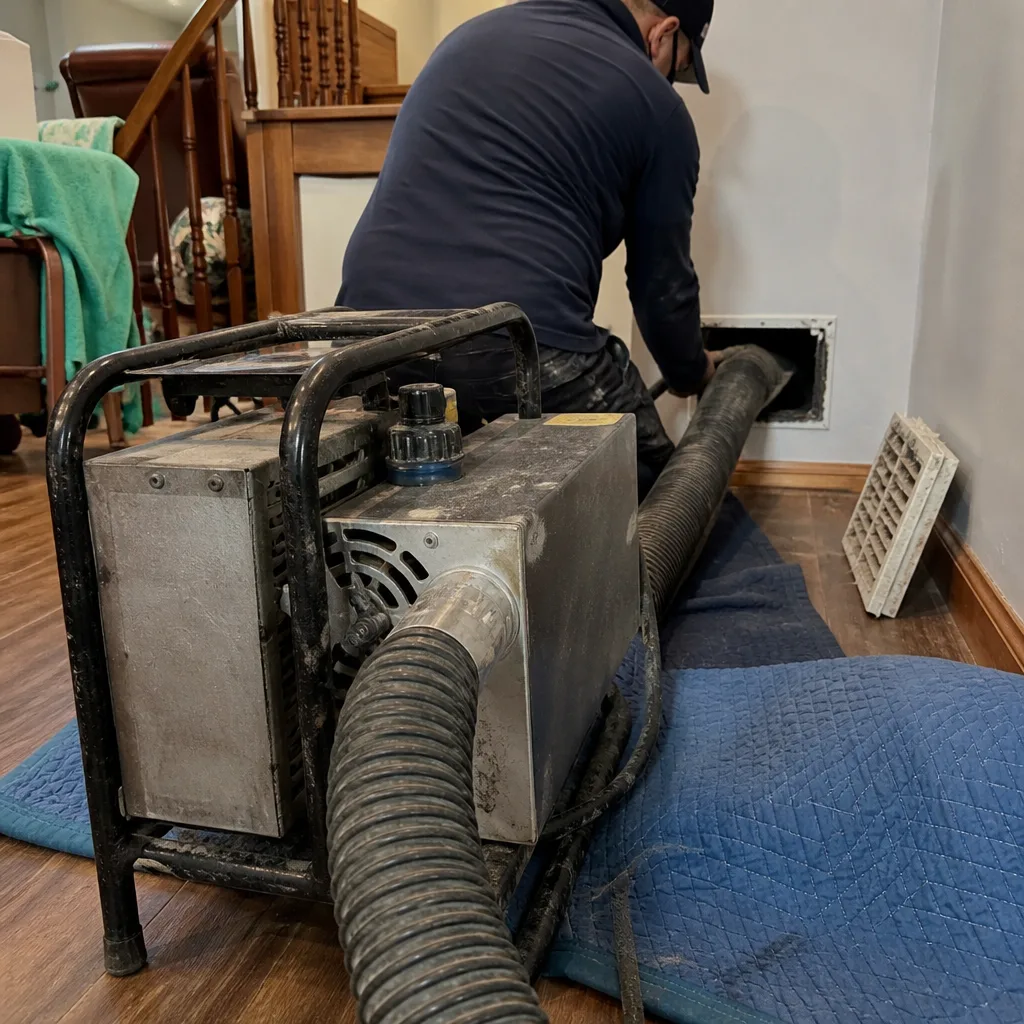 Before
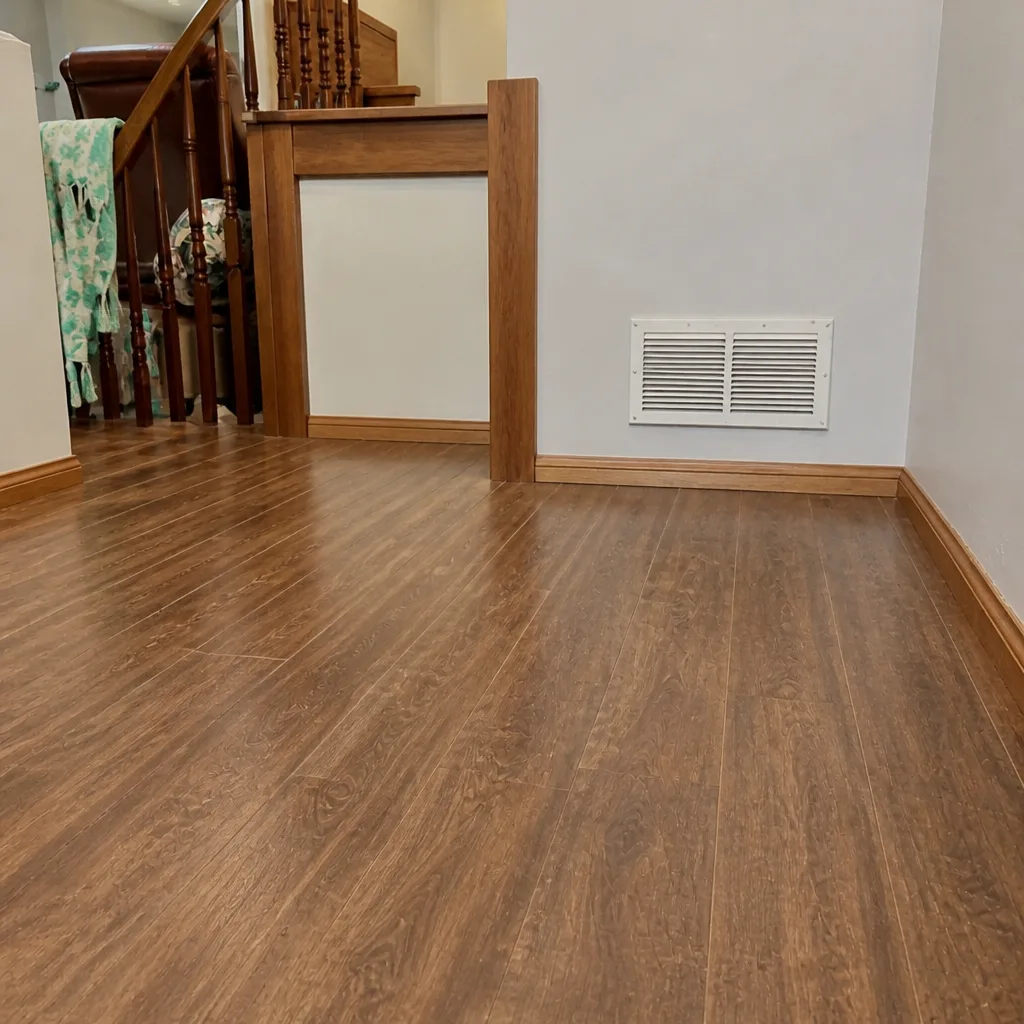 After
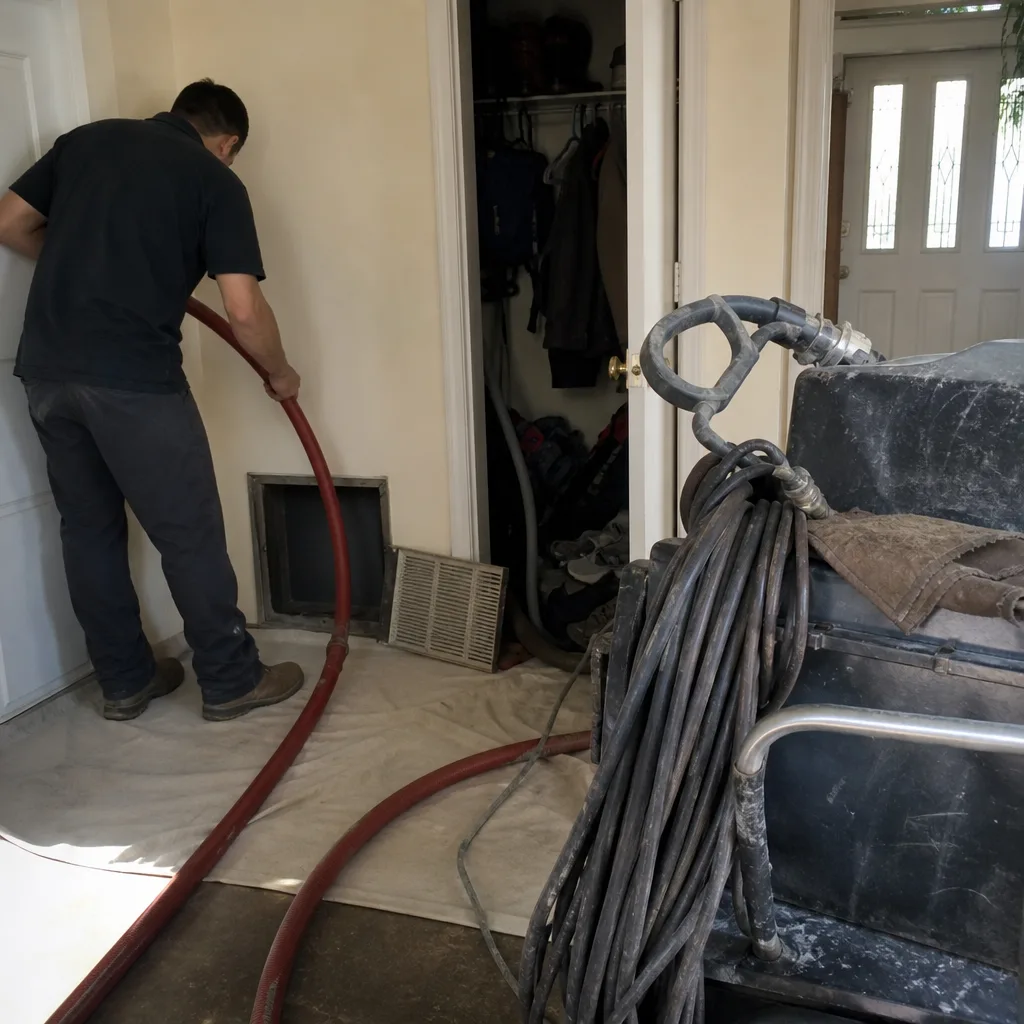 Before
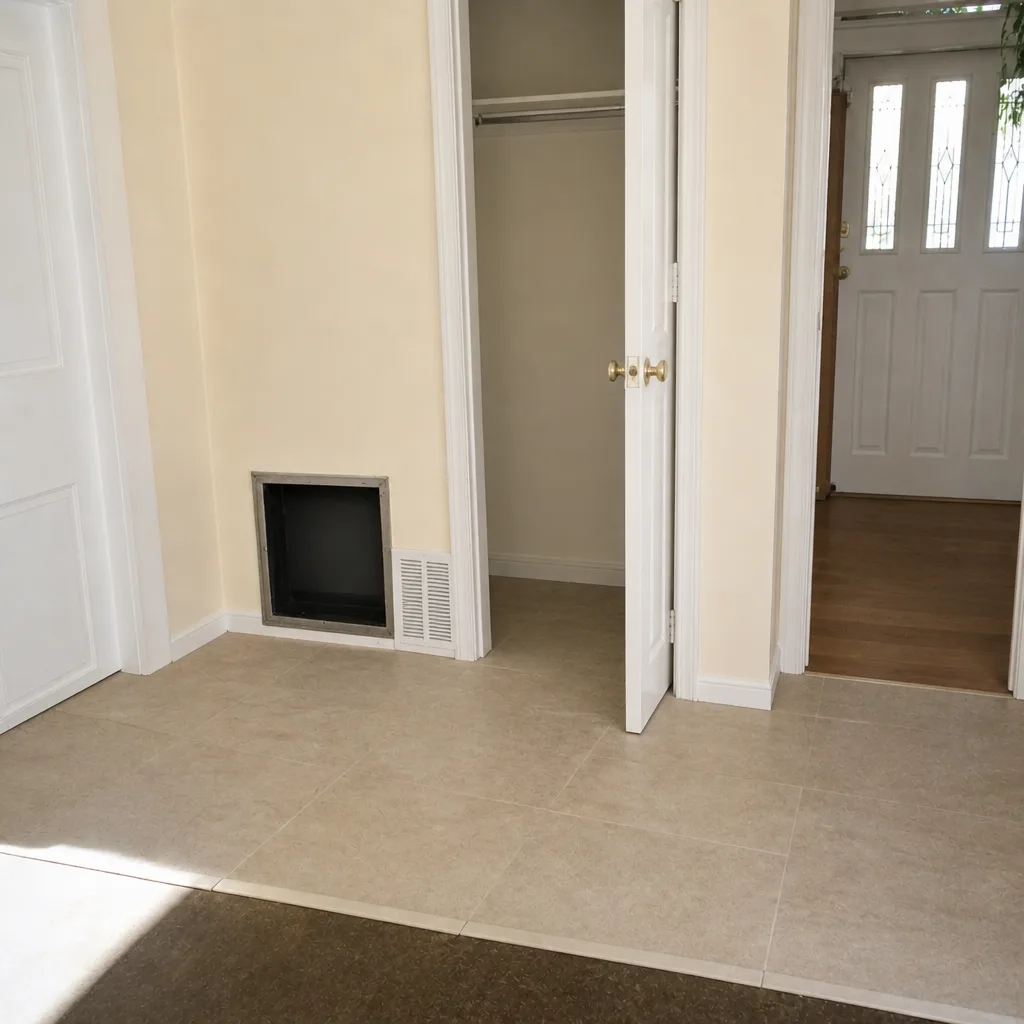 After
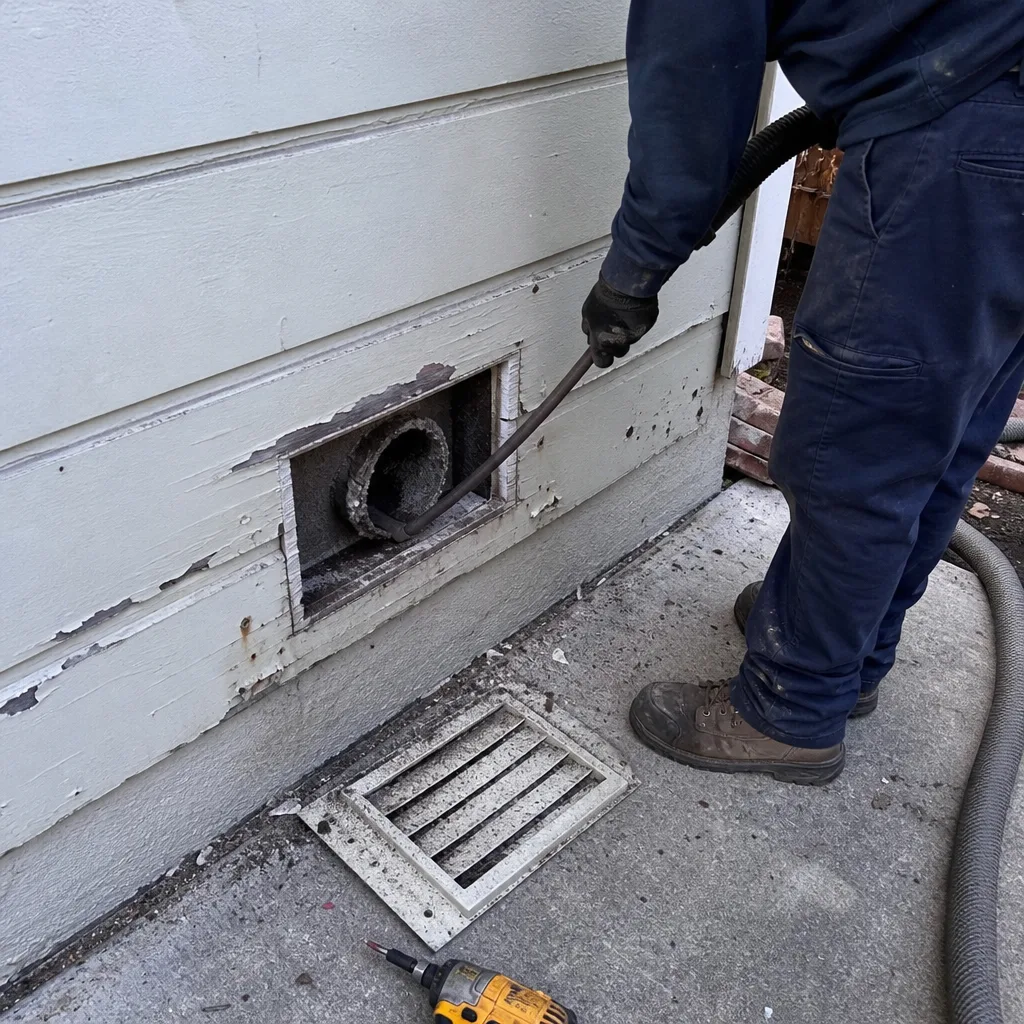 Before
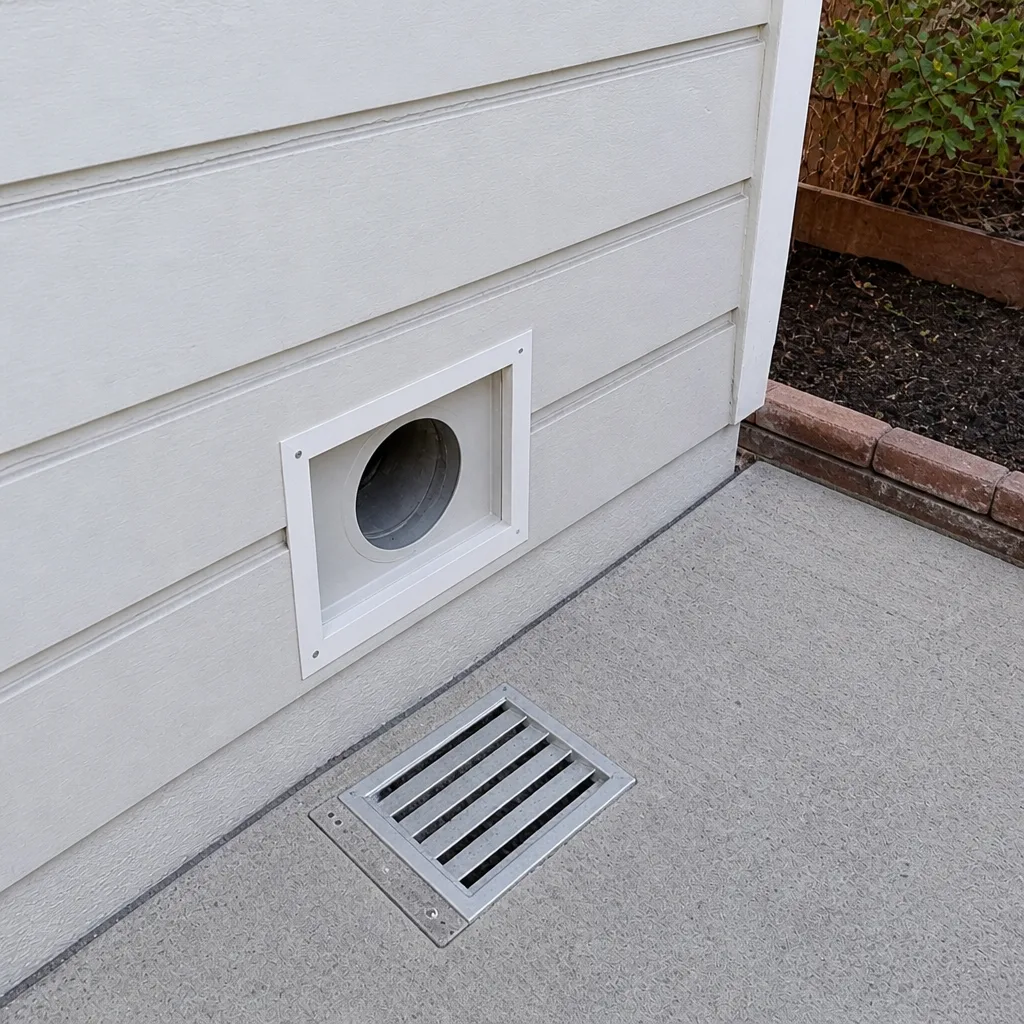 After
When to Call a Professional
Call us when the checklist has named a pattern and the source is outside your reach. Specifically: contamination at every register, a moisture problem in the system, a branch that’s disconnected or crushed, dust that returns within weeks after a filter and return check, or a system that has never had a professional-grade contact clean. Those are the cases where a HEPA extraction job and a source repair solve it, and another cleaning pass doesn’t.
Benchmark Air Duct Cleaning offers free estimates in Concord. Our technicians have up to experience, work with Rotobrush and Nikro equipment, and know Honeywell and Aprilaire filtration. Call (855) 970-7954. We answer 24/7. Fast dispatch from 7am to 7pm, Sunday through Friday.
Frequently Asked Questions
Smell present at the registers and stronger in one or two rooms usually points to the ducts. Smell strongest near the indoor air handler, combined with a wet drain pan or standing water, points to the coil or the drain pan. Check the pan and the return nearest the unit before you book anything. If the pan is wet, call an HVAC technician first, then a duct cleaner. Call (855) 970-7954 for a free estimate once the moisture source is handled.
Uneven airflow after cleaning usually means a flex duct slipped off a register boot, a boot was reseated without a seal, or a volume damper was left closed. Pull the register cover in the quiet room and look for a gap or a disconnected run. If airflow dropped in every room at once, check the filter fit first. Call (855) 970-7954 if the drop is system-wide and you can’t find the cause.
A proper contact clean with HEPA extraction, on a system with a sealed filter and tight returns, should hold for a year or more in most Concord homes. Dust back within weeks is a source problem, not a cleaning problem. Check filter bypass and return leaks before booking another cleaning. Call (855) 970-7954 for a free estimate and we’ll tell you what we think the source is.
Usually no. If the same symptom is back within a year, the source was never fixed, and a second cleaning will not change that. The money is better spent on identifying and repairing the cause: a bypass, a return leak, or a moisture issue. A professional visit should start with inspection, not cleaning. Call (855) 970-7954 and we’ll walk through what you’re seeing.
A contact-cleaning brush system, a HEPA-extraction vacuum, and a camera for inspection are the three essentials. Rotobrush handles contact cleaning and Nikro handles HEPA extraction, and both are what a proper follow-up visit should include. Abatement Technologies equipment is what you want to see if contamination extends beyond typical dust. If a technician shows up with only a shop vac and a blower, that is not a professional-grade pass. Call (855) 970-7954 for a free estimate.
No. Duct cleaning does not address the drain pan or the evaporator coil, and those are common moisture sources. Cleaning ducts while a drain pan problem is still active means the contamination source stays in place and the problem returns. Get the moisture source addressed first, then clean. Call (855) 970-7954 once that’s handled and we’ll schedule the duct side.
The Bottom Line
The problems that bring people to this page, weak airflow, musty smells, dust that returns, are almost always mechanical. Ducts don’t regenerate dirt. Something outside the ducts keeps feeding them, and a filter bypass, a return leak, a dislodged flex run, or a drain pan is the usual answer. Use the register test to find whether the problem is in one room or across the system. Check the filter fit and the returns before you book another cleaning. And when the pattern points to a source inside the system, get a visit that includes contact cleaning, HEPA extraction, and a repair plan for whatever the cleaning can’t fix.
Call (855) 970-7954 for a free estimate. We answer 24/7. Fast dispatch from 7am to 7pm, Sunday through Friday. Estimates are free, and you’ll get a clear explanation of what the inspection found before any work is agreed.
Written by the team at Benchmark Air Duct Cleaning.